




 Nassau



Please wait
MICRONESIA DIVING HOLIDAYS
MICRONESIA DIVING HOLIDAYS
MICRONESIA DIVING HOLIDAYS
MICRONESIA DIVING HOLIDAYS
MICRONESIA DIVING HOLIDAYS
Why you'll love diving in Micronesia!

The Wreck Graveyard of Truk Lagoon and manta playground of Yap
Liveaboard and landbased diving options
Stop-over in the Philippines, Hong Kong or the USA
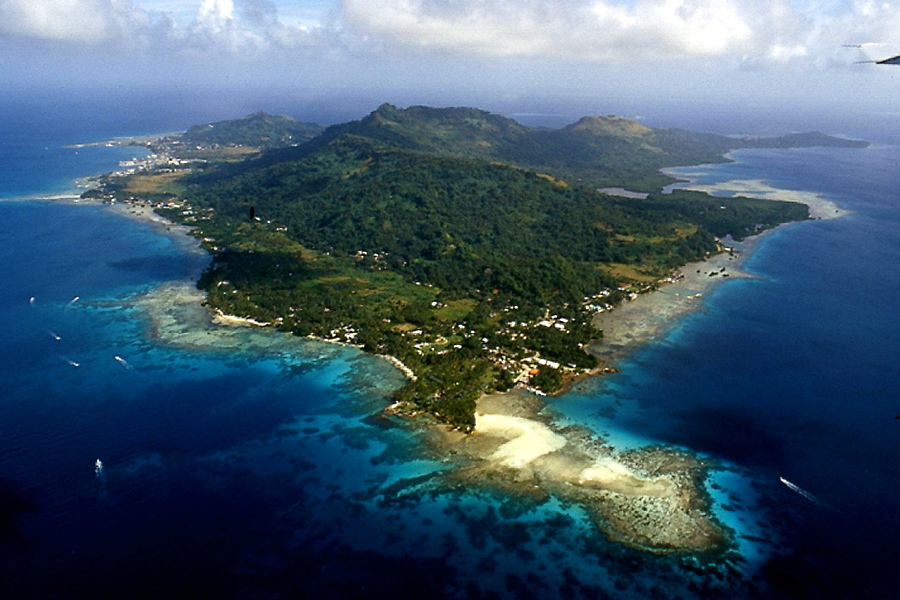
Scattered across the North Western Pacific, an area the size of continental USA, are the 2000 volcanic Caroline Islands. There are diverse cultures, natural beauty and some of the most spectacular diving in the world. These beautiful tropical islands are situated over 5,000 km west-southwest of Honolulu and east of the Philippines. Actually the tips of huge underwater mountains, low coral atolls encircle blue-green lagoons. The higher Islands have dramatic cliff faces which, rise directly from the sea and smothered in tropical jungle and sunshine.
Micronesia means 'small islands' and in the eastern Caroline Islands is the Federated States of Micronesia made up of Yap, Chuuk (Truk), Pohnpei and Kosrae. Travelling to the remote islands of Micronesia can be a complex process but at Planet we can guide you through the process.
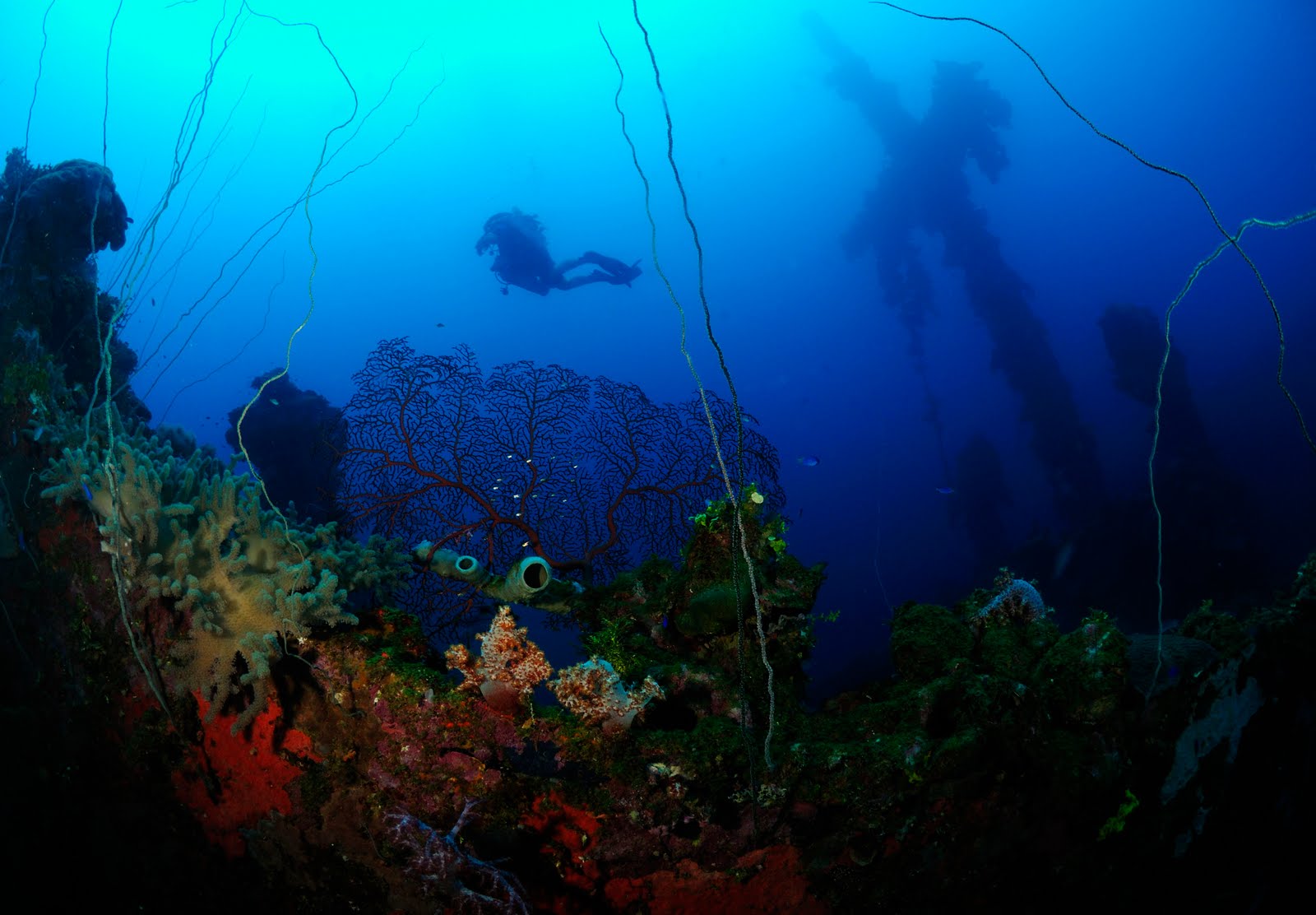
Micronesia Liveaboard diving is confined to Chuuk liveaboards, or Truk Liveaboards as they are also known, without doubt the best choice of diving holidays for the wreck-heads out there. What was the world's biggest naval loss has turned out to be the diving world's gain.
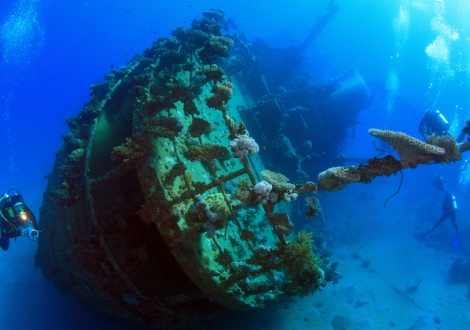
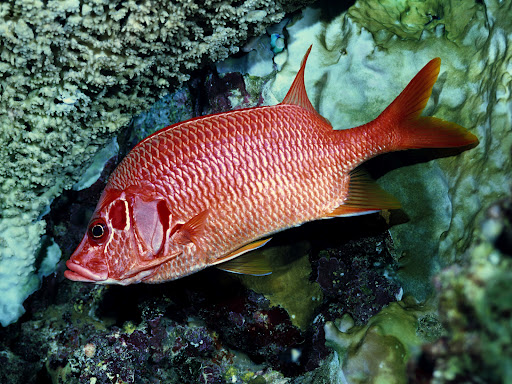
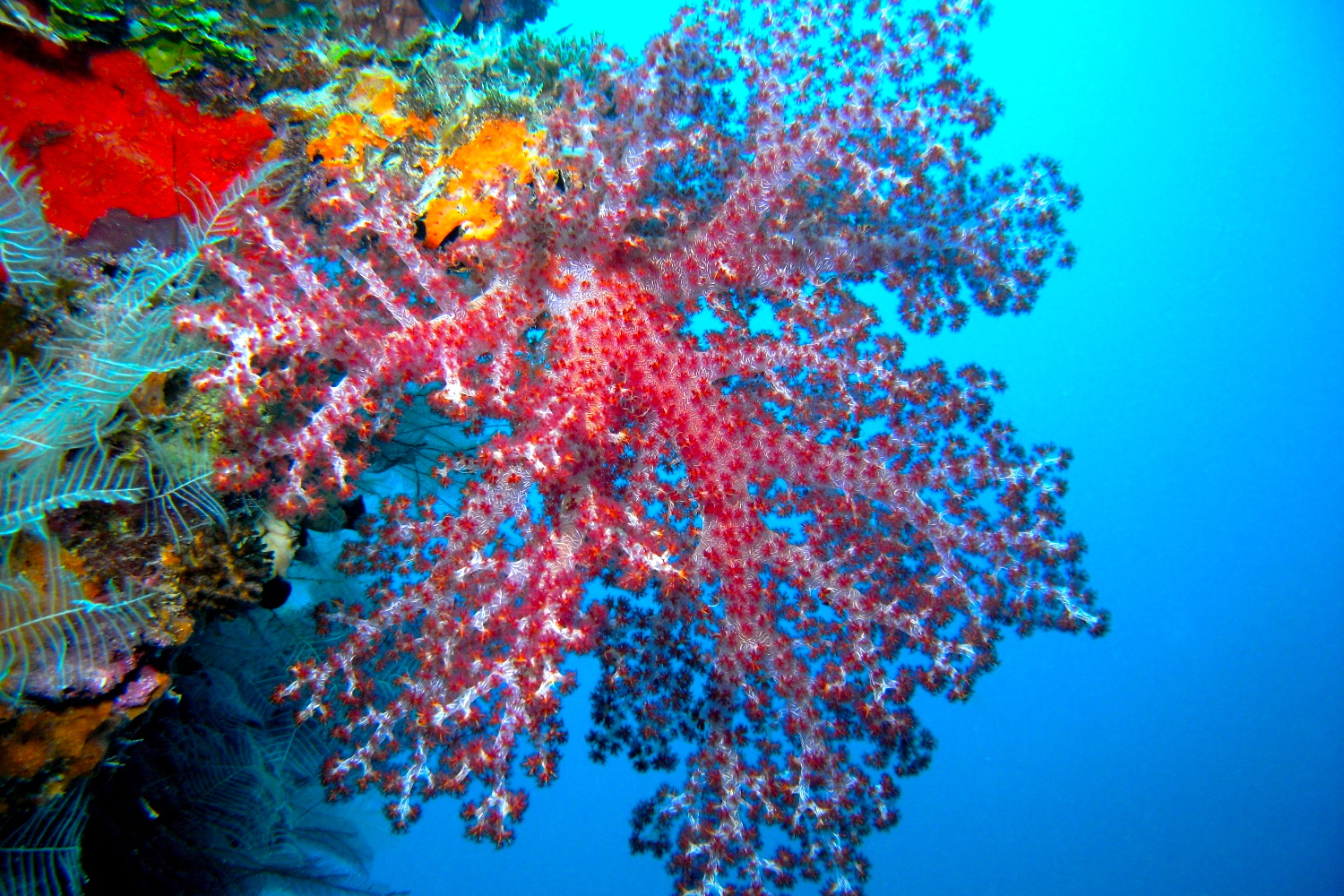
The warm tropical climate and the prolific currents of Truk waters have turned the fascinating wreck yard into a stunning sight for all types of diver. Not just a breath taking treat for the underwater adventurer these giant vessels littering the seabed have become building blocks for the local ecosystem, and provide protected hides for the marine life they attract.
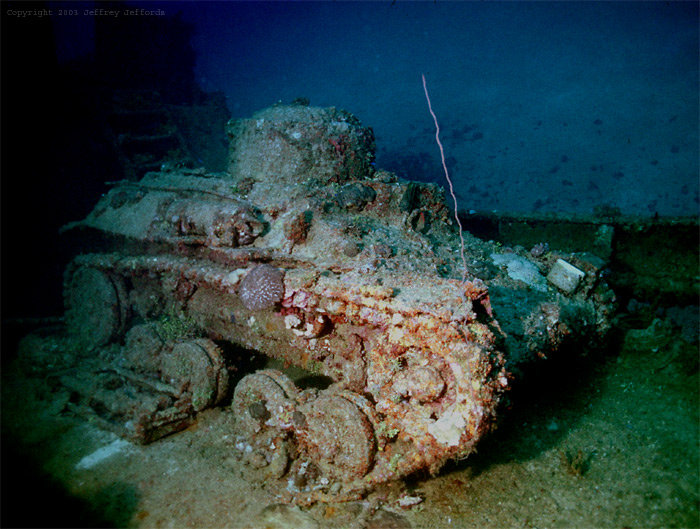
Micronesia is home to 50 ship wrecks that sank in Chuuk Lagoon after Operation Hailstone in WWII destroyed the Japanese base. Many villages in Micronesia still live by traditional means and common garments of clothing include grass skirts worn by the women and thu’us worn by the men.
A liveaboard holiday in the Truk Islands is considered to offer the best value for keen and slightly more experienced divers, as the luxury cruise ships allow for a much greater amount of time in the water - and at more varied times in the day. With greater access to the hidden gems and most remote sites, you can see much more of the dormant battlefield – and in a ‘whole new light’ with the many night dives available on our liveaboard itineraries.
The comfortable liveaboard is also a very sociable way to dive the waters of Chuuk, providing a platform to dive from while meeting new people who share your passion for diving in ‘Truk Lagoon’.
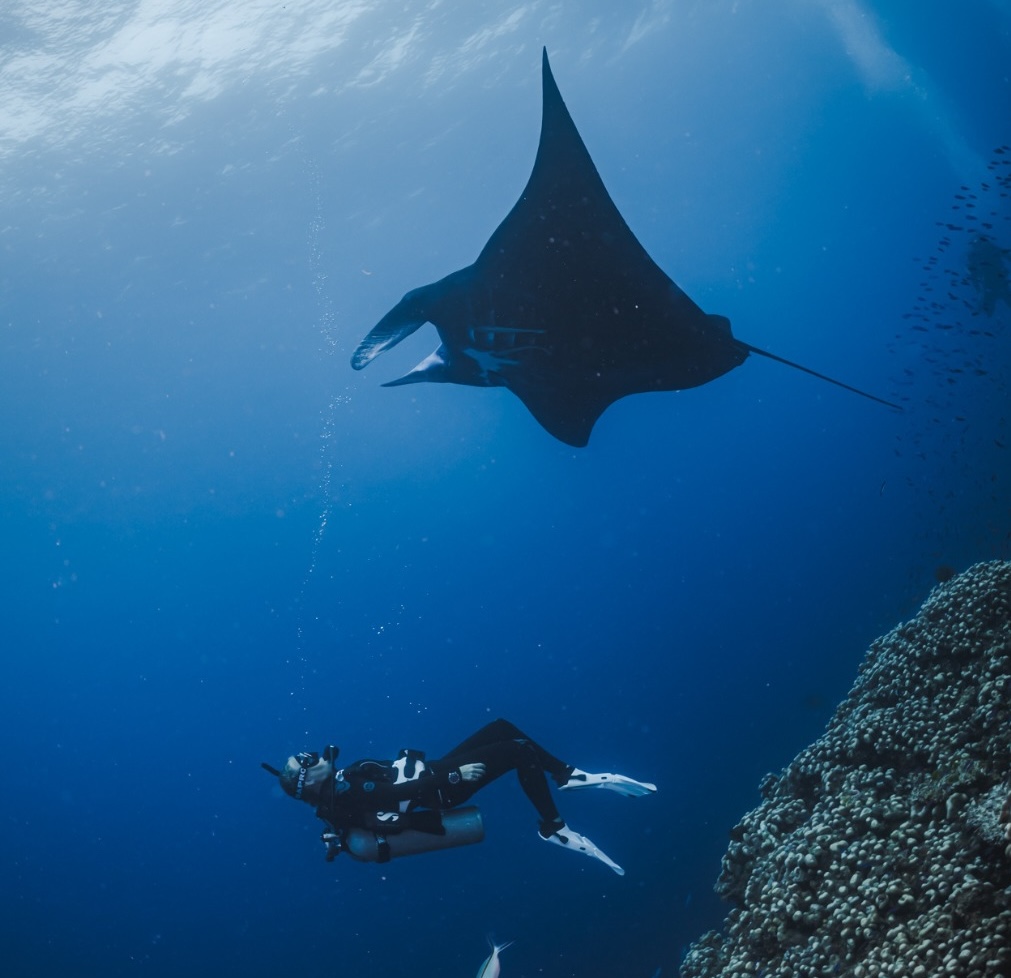
Pohnpei is the main island of Micronesia encircled by a barrier reef cut by passages linking the lagoon to the open sea, Manta Rays are commonly sighted around Pohnpei. At Kosrae diving is on plunging walls and coral Gardens. But most divers to Micronesia tend to head for Yap and Truk. Yap is world renowned for it's population of resident Manta Rays, but has so much more. The wrecks of Truk, now Chuuk, are legendary and need little introduction.
Follow the link for liveaboard diving in Micronesia.
Diving Micronesia and Chuuk (Truk) in particular is great all year round and there isn’t really a bad time to visit. However, the most popular time amongst divers is during the dry season, between the months of December and April. The greatest rainfall between July and October, during the wet season (Annual Average Rainfall: 115 inches). While Average Air Temperature is between 26˚ to 32˚ C, Average Water Temperature remains a pretty constant 28˚ to 29˚ C with Average Visibility 15 to 40m.
Getting in and out of Chuuk is the most complex element of any itinerary to dive Truk Lagoon. Lying within the Eastern Caroline Islands, about 1028 km southeast of Guam, which ever route you take flights arrive via Guam, 2 hours away. At Planet we have plenty of experience arranging travel to Truk which ever routing you prefer.
On arrival in Weno you'll be transfered to your liveaboard. On most boats 2 morning and 2 afternoon dives, plus the occasional night dive, are scheduled. A typical itinerary will have your liveaboard moving short distances around the lagoon to focus the days diving on one or two different wrecks each day.
Please contact us for details of specific wrecks dived for any particualr liveaboard safari. We can also combine Truk with diving in Yap or a stop over en route including various South East Asian destinations, Honolulu or in North America.
For more detail about Micronesian diving and Micronesia dive seasons visit our Micronesia destination page Micronesia Dive Holidays