



 Nassau


Please wait
Egypt Liveaboards
Egypt Liveaboards
Egypt undoubtedly offers some of the best value and choice for a dive liveaboard holiday. The varied dive sites of the Red Sea and choice of itineraries offer something for everyone. Reefs, wrecks and marine life are all exceptional and the conditions are suitable for the newly qualified diver or the seasoned veteran.
Planet Dive Holidays pride ourselves on offering the most comprehensive collection of luxury diving liveaboards in the Red Sea. So we'll have a holiday for you, whether you want to combine a dive liveaboard trip with land-based accommodation in Egypt, just want to pack as much diving as you can into a week or are considering combining your Red Sea diving holiday with a tour of the ancient wonders of Egypt. Take a look at our liveaboard departures or give us a call to learn more.
Liveaboards in Egypt are without a doubt the best way to maximise your experience in the Red Sea. A dive liveaboard holiday gives you the opportunity to enjoy additional time in the water and allows increased access to the more remote dive sites of the Red Sea.
The added social benefit of a liveaboard is also a popular aspect to trips like this, as the shared dining facilities and close-knit nature of the luxury liveaboard boats ensure you’ll have plenty to talk about with like minded people sharing your passion for Red Sea diving. Discussing your pre-dive aims and post-dive findings over dinner or evening drinks can open up your experience to a new level while sharing the secluded secrets from below can improve your future dives.
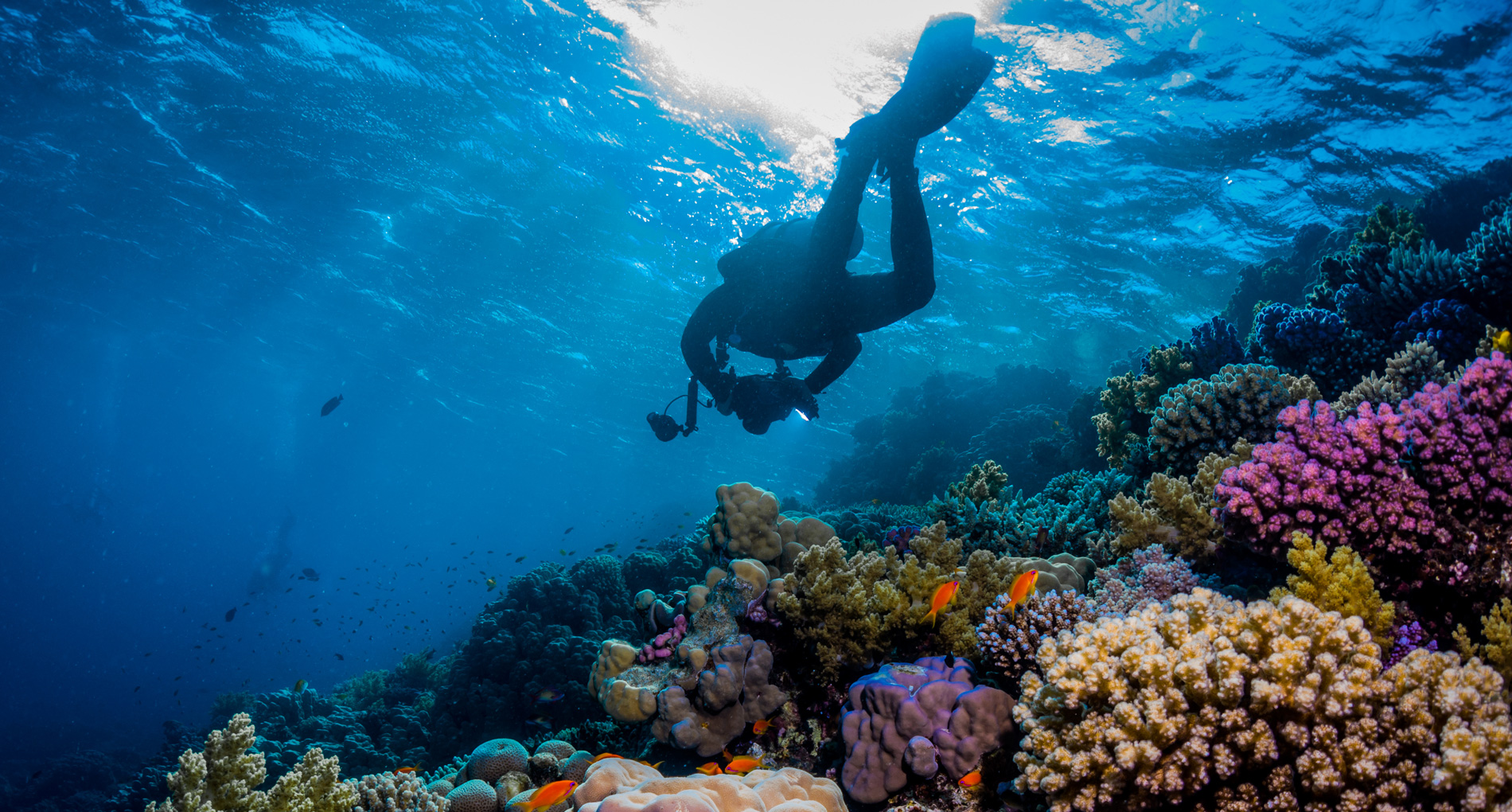
With some of the world's most breathtaking underwater scenery, diving the Red Sea is a fantastic experience for divers of any level or experience. From wide-eyed novices through to seasoned technical pros; the sheer scale of what is readily available with an Egypt liveaboard quenches everyone's thirst for diving, wherever you decide to drop anchor.
The liveaboard itineraries in the Egyptian Red Sea can broadly be split into three areas; Northern Wreck and Reefs, Southern Marine Parks and Deep South.
Northern Wreck and Reefs
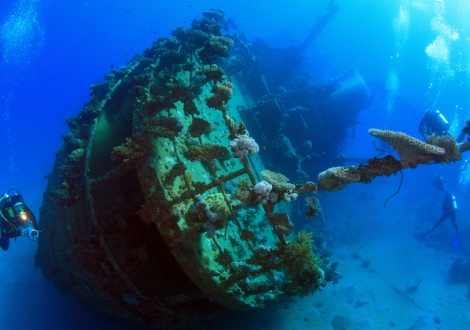
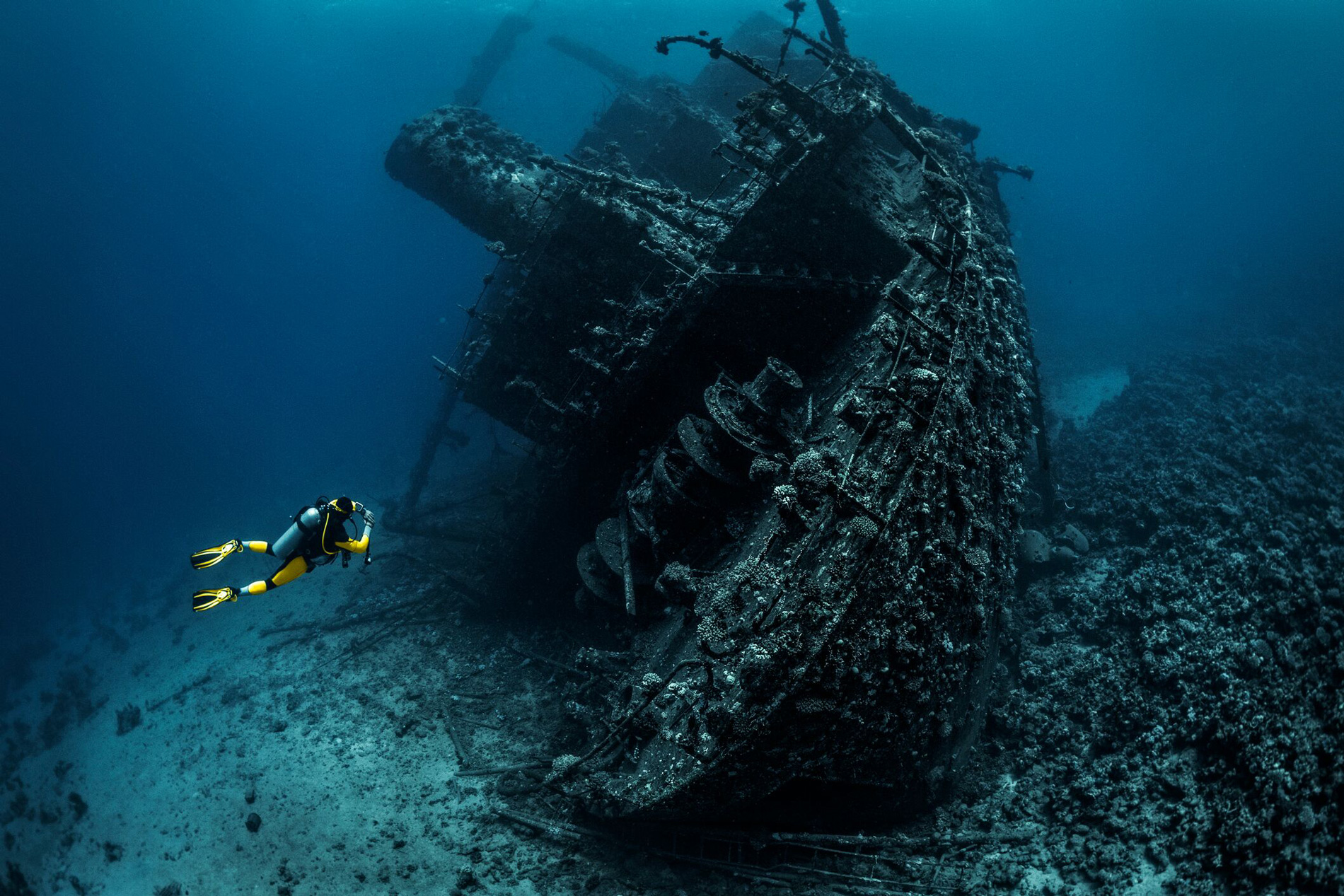
The Northern Red Sea is, of course, the most popular region for Egyptian liveaboards, as the gentle diving conditions combined with the stunning visuals of overturned ships littering the seabed offer a perfect introduction for beginners and enthusiasts alike. This route offers huge numbers of these fascinating wrecks, virtually no minimum dive restrictions and great diversity in diving discovery, including magnificent night dives. The Northern Wrecks & Reefs itineraries provide some great value liveaboards, plus there are many flights from the UK to this region of the Red Sea. There are also shorter distances between dive sites enabling a 'looser schedule' and the possibility of more dives in the week. The north is perfect for novice divers, wreck lovers and photographers.
Southern Marine Parks
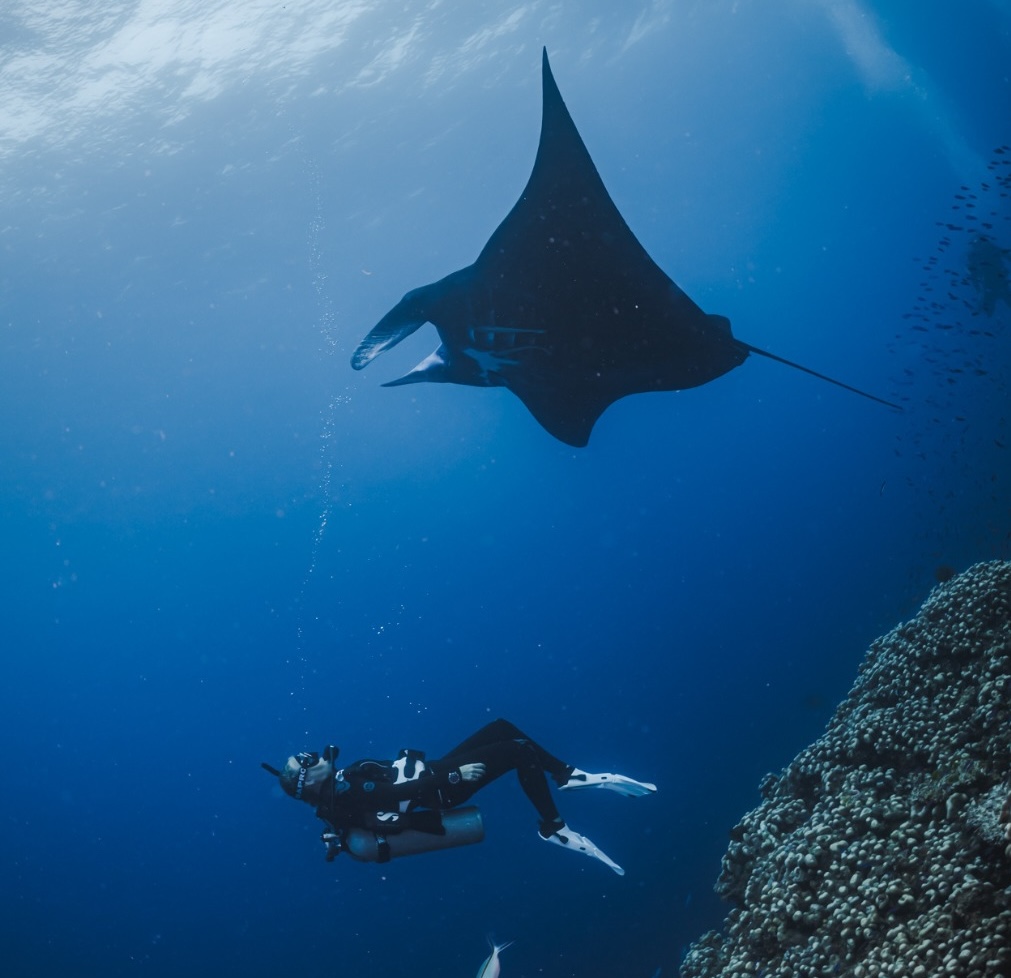
The Southern Marine Parks of Egypt offer a more challenging set of diving conditions for advanced divers and are definitely not for the novice. These areas are remote and provide an intriguingly diverse range of dive sites in much more isolated waters – free from the populations of novice divers and day boats from the mainland. The southern marine parks are comprised of The Brothers, Daedalus Reef, Zabargad and Rocky Islands. Although not a marine park, Elphinstone is often included with a marine park itinerary. These sites are underwater pinnacles far from land, so require longer boat journeys. In exchange, divers are given excellent opportunities to dive with various species of sharks (hammerheads, oceanic white tips, reef sharks, silky sharks, and thresher sharks). There are also a few wrecks to explore on these reefs. This area is for the more experienced diver and we recommend that you have had some experience in deep water, with the current and have done at least 50 dives.
Deep South
The Deep South itineraries take divers to the most remote dive sites of the southern Egyptian Red Sea, including St. Johns and Fury Shoals. These remote sites are some of the best for pelagics and it is very rare to run into other dive boats there.
If you are in any way unsure of your suitability for an Egyptian Red Sea liveaboard itinerary please just call us for advice.
Do keep in mind that even if a particular itinerary is confirmed, travel in the Red Sea can involve some long sea passages crossings. Attempting these will be at the discretion of the skipper who will take into account the safety of passengers, crew and vessel, as well as your diving enjoyment.
Egypt Red Sea Liveaboard Frequently asked questions:
Q: For a liveaboard in the Red Sea what should I bring with me?
For any liveaboard, we recommend that, in addition to your standard dive kit that you have a dive computer. We also recommend a surface marker bouy (SMB) particualrly on more remote sites, a torch, your certification card / logbook.
Q: Where is best Liveaboard itinerary for beginners?
The diving conditions in the Red Sea can vary from flat calm seas with excellent visibility to the much stronger currents found offshore. With more challenging conditions of The Southern Marine Parks and The Deep South, it is generally advised that the novice and beginner divers try the Sinai area and The Northern Wrecks and Reefs – as the shallow waters and gentle conditions are ideal.
Q: What wetsuit should I bring?
Due to the extended time in the water of a liveaboard, we recommend a 5mm shortie or 3mm long suit. With repetitive diving and strong thermoclines, temperatures can vary greatly.
Q: Can a non-diver go on a liveaboard holiday?
Non-divers and snorkellers are welcome on all liveaboards, however, there is very rarely any discount.
Read more
Egypt

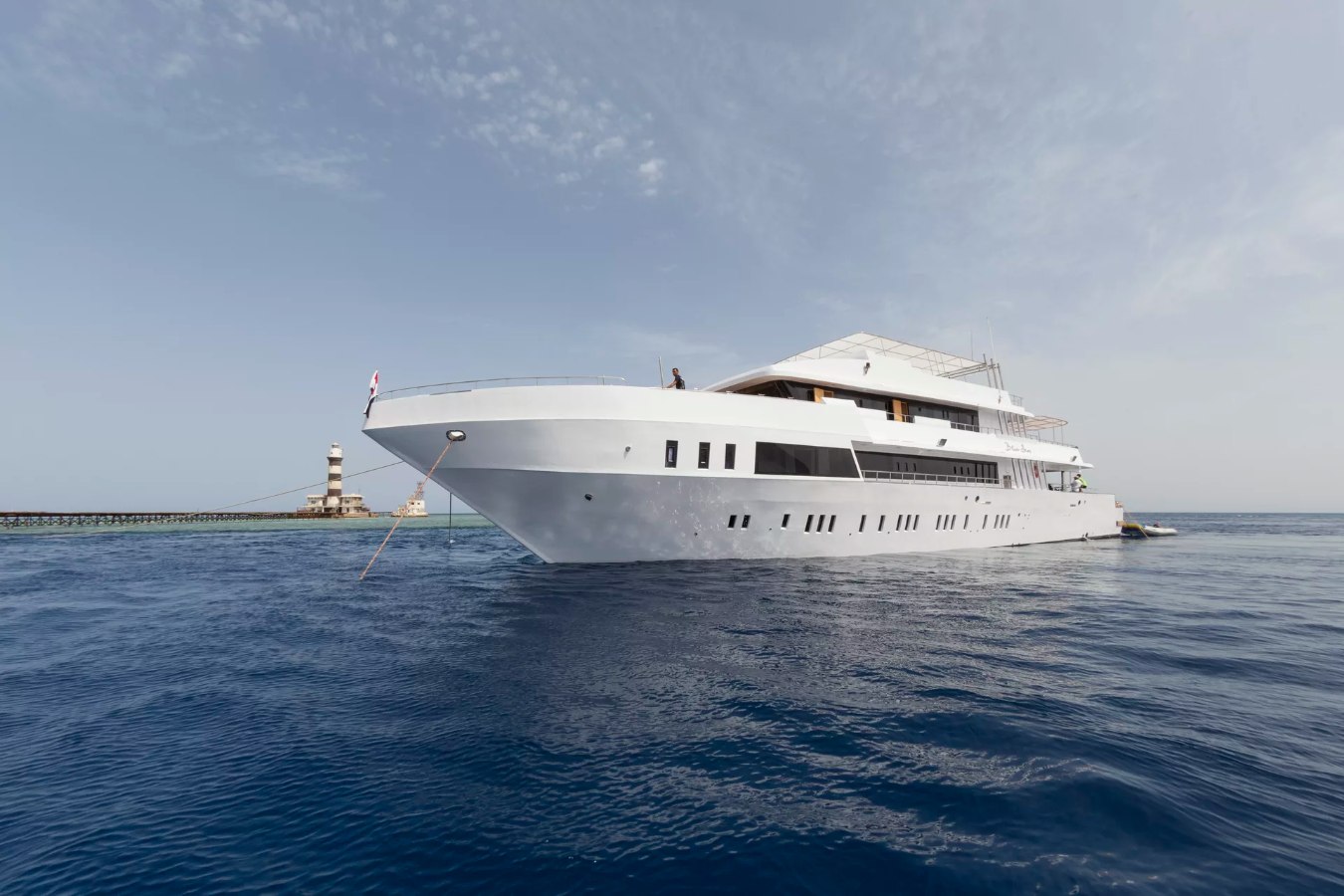
Flag ship luxury boat
Large modern boat with all the facilities
Great tip deck master cabin
11 May, 2026 | 10nts
Rocky-Elba-St.Johns-Elphinstone
£1,419
12 space available
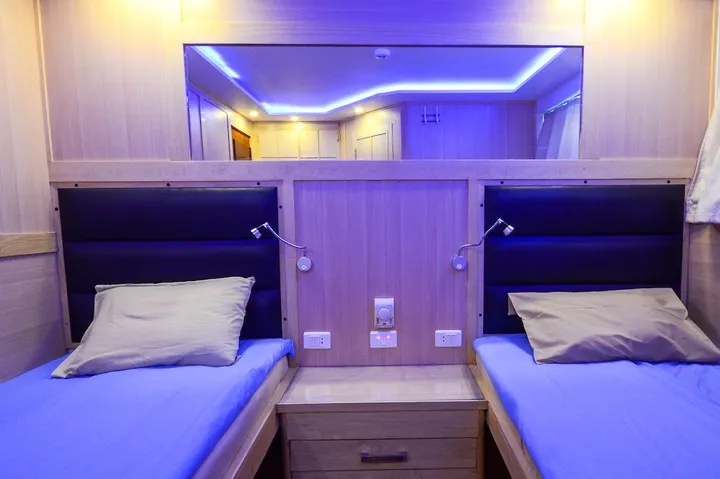
Twin - Lower Deck
Total 7 cabins (maximum 2 people per cabin)
7 cabins on the lower deck, with 2 single beds, reading lights, cabinet, air-conditioning, and en-suite bathroom.£1,419 p.p.
(Single occupancy £2,554)
10 space available
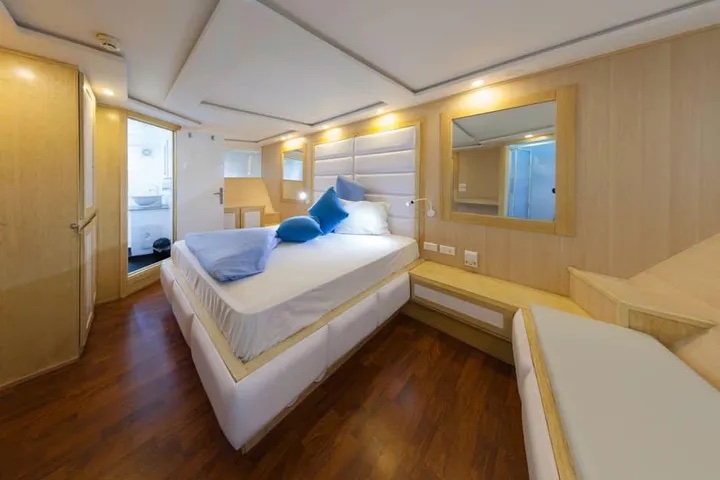
Master - Lower Deck
Total 1 cabins (maximum 2 people per cabin)
The Master cabin is completed with a double bed and is situated on the lower deck with reading lights, cabinet, air-conditioning, and en-suite bathroom.£1,419 p.p.
(Single occupancy £2,554)
Only 2 space left
Included
All diving with thanks, weightds & air
100% finacial protection via our Travel Trust Association membership
ATOL holiday protection when we incldue a flight with your holiday
Not Included
Local fees/diesel surcharge Payable On Location EUR 380
Internation flights - we can add these to your trip
Hotel stays befor or after your trip - we have excpetional prices at the best hotel in the region if you want to extrend your trip
21 May, 2026 | 7nts
St.Johns
£1,017
£1,043
24 space available
.jpg)
Double Sea View - Upper Deck
Total 2 cabins (maximum 2 people per cabin)
2 cabins on the upper deck, with a double bed, reading lights, cabinet, air-conditioning, windows, and en-suite bathroom. £1,120
£1,043 p.p.
(Single occupancy £1,938)
Only 4 space left
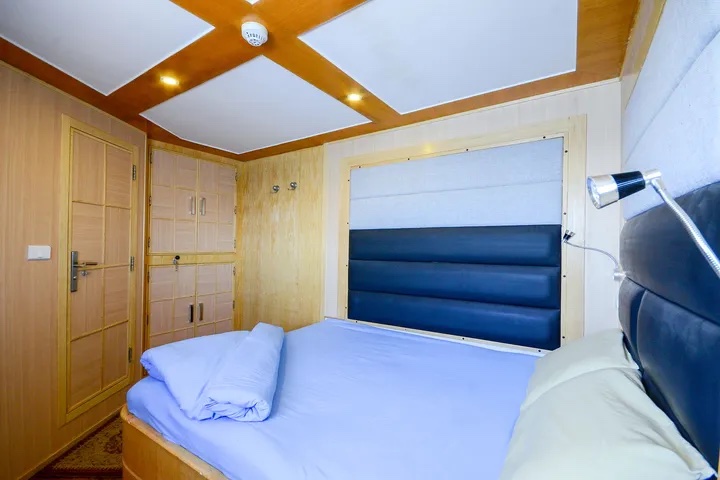
Twin Sea View - Upper Deck
Total 2 cabins (maximum 2 people per cabin)
2 cabins on the upper deck, with 2 single beds, reading lights, cabinet, air-conditioning, windows, and en-suite bathroom. £1,120
£1,043 p.p.
(Single occupancy £1,938)
Only 4 space left
Twin - Lower Deck
Total 7 cabins (maximum 2 people per cabin)
7 cabins on the lower deck, with 2 single beds, reading lights, cabinet, air-conditioning, and en-suite bathroom.£1,017 p.p.
(Single occupancy £1,831)
14 space available
Master - Lower Deck
Total 1 cabins (maximum 2 people per cabin)
The Master cabin is completed with a double bed and is situated on the lower deck with reading lights, cabinet, air-conditioning, and en-suite bathroom.£1,017 p.p.
(Single occupancy £1,831)
Only 2 space left
Included
All diving with thanks, weightds & air
100% finacial protection via our Travel Trust Association membership
ATOL holiday protection when we incldue a flight with your holiday
Not Included
Local fees / diesel surcharge Payable On Location EUR 255
Internation flights - we can add these to your trip
Hotel stays befor or after your trip - we have excpetional prices at the best hotel in the region if you want to extrend your trip
11 Jun, 2026 | 7nts
North & Tiran
£970
24 space available
Twin - Lower Deck
Total 7 cabins (maximum 2 people per cabin)
7 cabins on the lower deck, with 2 single beds, reading lights, cabinet, air-conditioning, and en-suite bathroom.£970 p.p.
(Single occupancy £1,746)
14 space available
Master - Lower Deck
Total 1 cabins (maximum 2 people per cabin)
The Master cabin is completed with a double bed and is situated on the lower deck with reading lights, cabinet, air-conditioning, and en-suite bathroom.£970 p.p.
(Single occupancy £1,746)
Only 2 space left
Double Sea View - Upper Deck
Total 2 cabins (maximum 2 people per cabin)
2 cabins on the upper deck, with a double bed, reading lights, cabinet, air-conditioning, windows, and en-suite bathroom.£1,073 p.p.
(Single occupancy £1,931)
Only 4 space left
Twin Sea View - Upper Deck
Total 2 cabins (maximum 2 people per cabin)
2 cabins on the upper deck, with 2 single beds, reading lights, cabinet, air-conditioning, windows, and en-suite bathroom.£1,073 p.p.
(Single occupancy £1,931)
Only 4 space left
Included
All diving with thanks, weightds & air
100% finacial protection via our Travel Trust Association membership
ATOL holiday protection when we incldue a flight with your holiday
Not Included
Local fees / diesel surcharge Payable On Location EUR 245
Internation flights - we can add these to your trip
Hotel stays befor or after your trip - we have excpetional prices at the best hotel in the region if you want to extrend your trip
11 Jun, 2026 | 7nts
Northern Reefs & Tiran
£970
14 space available
Twin - Lower Deck
Total 7 cabins (maximum 2 people per cabin)
7 cabins on the lower deck, with 2 single beds, reading lights, cabinet, air-conditioning, and en-suite bathroom.£970 p.p.
(Single occupancy £1,746)
12 space available
Master - Lower Deck
Total 1 cabins (maximum 2 people per cabin)
The Master cabin is completed with a double bed and is situated on the lower deck with reading lights, cabinet, air-conditioning, and en-suite bathroom.£970 p.p.
(Single occupancy £1,746)
Only 2 space left
Included
All diving with thanks, weightds & air
100% finacial protection via our Travel Trust Association membership
ATOL holiday protection when we incldue a flight with your holiday
Not Included
Local fees / diesel surcharge Payable On Location EUR 245
Internation flights - we can add these to your trip
Hotel stays befor or after your trip - we have excpetional prices at the best hotel in the region if you want to extrend your trip
25 Jun, 2026 | 7nts
Brothers-Daedalus-Elphinstone
£1,017
20 space available
Twin - Lower Deck
Total 7 cabins (maximum 2 people per cabin)
7 cabins on the lower deck, with 2 single beds, reading lights, cabinet, air-conditioning, and en-suite bathroom.£1,017 p.p.
(Single occupancy £1,831)
14 space available
Master - Lower Deck
Total 1 cabins (maximum 2 people per cabin)
The Master cabin is completed with a double bed and is situated on the lower deck with reading lights, cabinet, air-conditioning, and en-suite bathroom.£1,017 p.p.
(Single occupancy £1,831)
Only 2 space left
Double Sea View - Upper Deck
Total 2 cabins (maximum 2 people per cabin)
2 cabins on the upper deck, with a double bed, reading lights, cabinet, air-conditioning, windows, and en-suite bathroom.£1,120 p.p.
(Single occupancy £2,015)
Only 4 space left
Included
All diving with thanks, weightds & air
100% finacial protection via our Travel Trust Association membership
ATOL holiday protection when we incldue a flight with your holiday
Not Included
Local fees / diesel surcharge Payable On Location EUR 320
Internation flights - we can add these to your trip
Hotel stays befor or after your trip - we have excpetional prices at the best hotel in the region if you want to extrend your trip
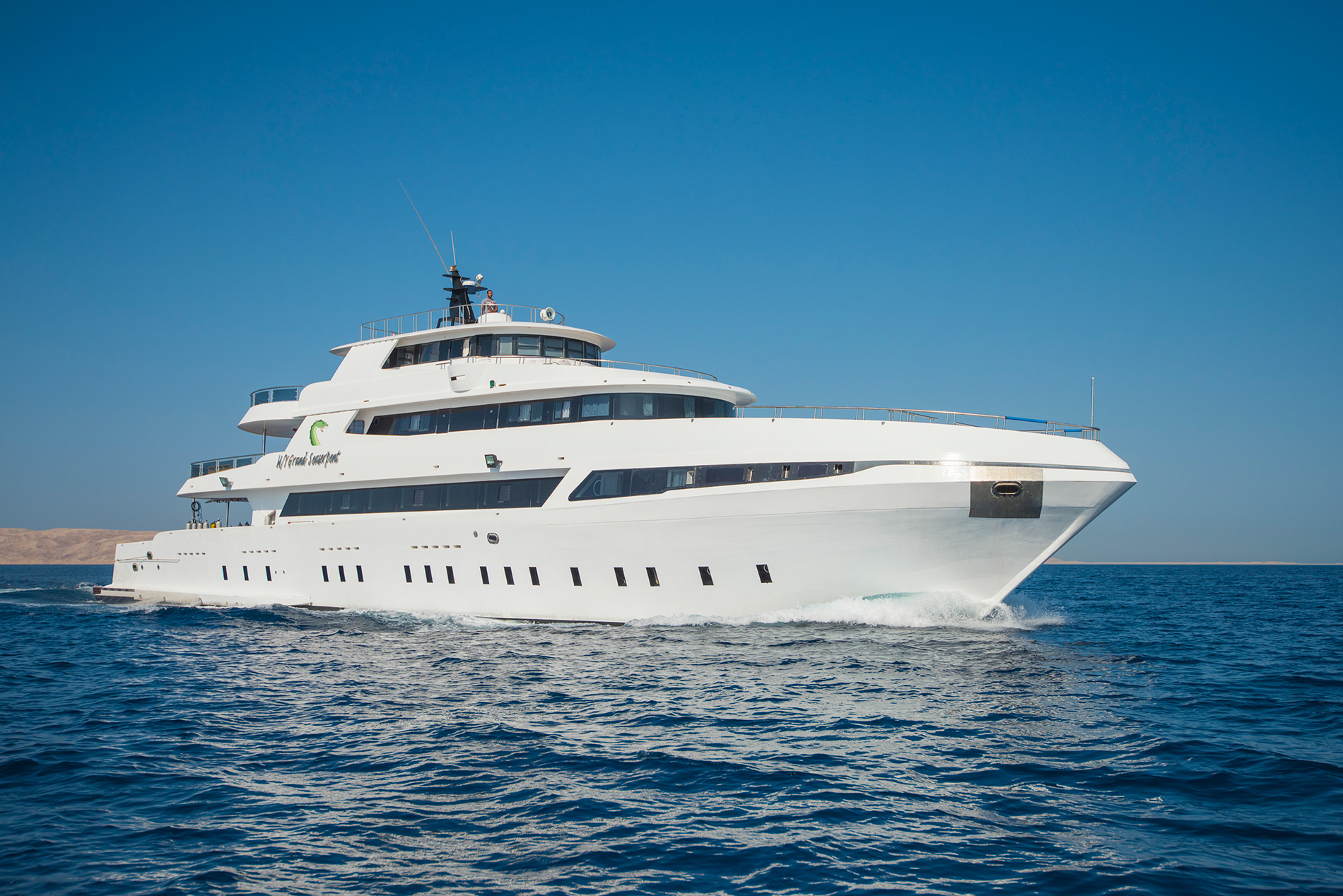
Egypt
New hull design for improved speed and stability
Diving the very best Red Sea itineraries
Upper deck suite is really great
07 May, 2026 | 7nts
North & Tiran.
£1,418
£1,119
28 space available
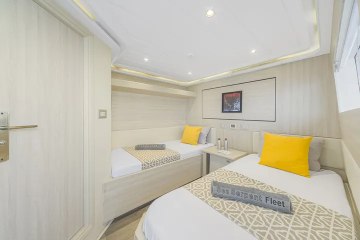
Standard Twin - Lower Deck
Total 6 cabins (maximum 2 people per cabin)
(Cabins 1 - 6) There are 6 standard cabins located on the lower deck with twin beds. Towels and bathrobes are provided per guest, and each room is equipped with its bathroom and has air conditioning. £1,418
£1,119 p.p.
(Single occupancy £2,253)
12 space available
Standard Twin or Double bed - Upper Deck
Total 4 cabins (maximum 2 people per cabin)
(Cabin 9 - 12) There are 4 cabins located on the upper deck furnished with double/twin beds. Each cabin has ocean views and a minibar. Towels and bathrobes are provided per guest, and each room is equipped with its own bathroom and has air conditioning. * £1,482
£1,183 p.p.
(Single occupancy £2,317)
8 space available
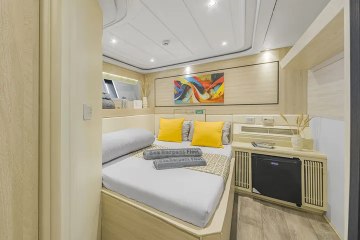
Double Bed - Lower Deck
Total 2 cabins (maximum 2 people per cabin)
(Cabins 7 - 8) There are 2 standard cabins located on the lower deck with double beds. Towels and bathrobes are provided per guest, and each room is equipped with a bathroom and has air conditioning. £1,482
£1,183 p.p.
(Single occupancy £2,381)
Only 4 space left
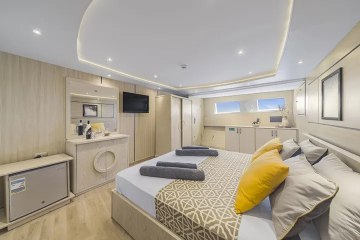
Suite - Main Deck
Total 1 cabins (maximum 2 people per cabin)
(Cabin 13) One suite is located on the main deck. It has a double or twin bed option. Towels and bathrobes are provided per guest, and each room is equipped with its bathroom and has air conditioning. *If you have a preference for bedding configuration, p £1,546
£1,247 p.p.
(Single occupancy £2,381)
Only 2 space left
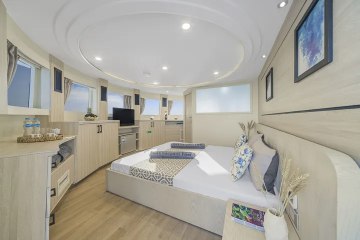
Suite - Upper Deck
Total 1 cabins (maximum 2 people per cabin)
(Cabin 14) A Suite with a double bed is located on the Sun Deck and provides a picturesque panoramic view. Towels and bathrobes are provided per guest, and each room is equipped with its bathroom and has air conditioning. £1,546
£1,247 p.p.
(Single occupancy £2,509)
Only 2 space left
Included
All diving with thanks, weightds & air
100% finacial protection via our Travel Trust Association membership
ATOL holiday protection when we incldue a flight with your holiday
Not Included
Internation flights - we can add these to your trip
Hotel stays befor or after your trip - we have excpetional prices at the best hotel in the region if you want to extrend your trip
07 May, 2026 | 7nts
North & Brothers.
£1,546
28 space available
Standard Twin - Lower Deck
Total 6 cabins (maximum 2 people per cabin)
(Cabins 1 - 6) There are 6 standard cabins located on the lower deck with twin beds. Towels and bathrobes are provided per guest, and each room is equipped with its bathroom and has air conditioning.£1,546 p.p.
(Single occupancy £2,783)
12 space available
Standard Twin or Double bed - Upper Deck
Total 4 cabins (maximum 2 people per cabin)
(Cabin 9 - 12) There are 4 cabins located on the upper deck furnished with double/twin beds. Each cabin has ocean views and a minibar. Towels and bathrobes are provided per guest, and each room is equipped with its own bathroom and has air conditioning. *£1,610 p.p.
(Single occupancy £2,847)
8 space available
Double Bed - Lower Deck
Total 2 cabins (maximum 2 people per cabin)
(Cabins 7 - 8) There are 2 standard cabins located on the lower deck with double beds. Towels and bathrobes are provided per guest, and each room is equipped with a bathroom and has air conditioning.£1,610 p.p.
(Single occupancy £2,847)
Only 4 space left
Suite - Main Deck
Total 1 cabins (maximum 2 people per cabin)
(Cabin 13) One suite is located on the main deck. It has a double or twin bed option. Towels and bathrobes are provided per guest, and each room is equipped with its bathroom and has air conditioning. *If you have a preference for bedding configuration, p£1,674 p.p.
(Single occupancy £2,911)
Only 2 space left
Suite - Upper Deck
Total 1 cabins (maximum 2 people per cabin)
(Cabin 14) A Suite with a double bed is located on the Sun Deck and provides a picturesque panoramic view. Towels and bathrobes are provided per guest, and each room is equipped with its bathroom and has air conditioning.£1,674 p.p.
(Single occupancy £2,911)
Only 2 space left
Included
All diving with thanks, weightds & air
100% finacial protection via our Travel Trust Association membership
ATOL holiday protection when we incldue a flight with your holiday
Not Included
Internation flights - we can add these to your trip
Hotel stays befor or after your trip - we have excpetional prices at the best hotel in the region if you want to extrend your trip
14 May, 2026 | 7nts
North.
£1,418
18 space available
Standard Twin - Lower Deck
Total 6 cabins (maximum 2 people per cabin)
(Cabins 1 - 6) There are 6 standard cabins located on the lower deck with twin beds. Towels and bathrobes are provided per guest, and each room is equipped with its bathroom and has air conditioning.£1,418 p.p.
(Single occupancy £2,552)
12 space available
Double Bed - Lower Deck
Total 2 cabins (maximum 2 people per cabin)
(Cabins 7 - 8) There are 2 standard cabins located on the lower deck with double beds. Towels and bathrobes are provided per guest, and each room is equipped with a bathroom and has air conditioning.£1,482 p.p.
(Single occupancy £2,616)
Only 4 space left
Suite - Main Deck
Total 1 cabins (maximum 2 people per cabin)
(Cabin 13) One suite is located on the main deck. It has a double or twin bed option. Towels and bathrobes are provided per guest, and each room is equipped with its bathroom and has air conditioning. *If you have a preference for bedding configuration, p£1,546 p.p.
(Single occupancy £2,680)
Only 2 space left
Included
All diving with thanks, weightds & air
100% finacial protection via our Travel Trust Association membership
ATOL holiday protection when we incldue a flight with your holiday
Not Included
Internation flights - we can add these to your trip
Hotel stays befor or after your trip - we have excpetional prices at the best hotel in the region if you want to extrend your trip
21 May, 2026 | 7nts
North & Brothers.
£1,546
28 space available
Standard Twin - Lower Deck
Total 6 cabins (maximum 2 people per cabin)
(Cabins 1 - 6) There are 6 standard cabins located on the lower deck with twin beds. Towels and bathrobes are provided per guest, and each room is equipped with its bathroom and has air conditioning.£1,546 p.p.
(Single occupancy £2,783)
12 space available
Standard Twin or Double bed - Upper Deck
Total 4 cabins (maximum 2 people per cabin)
(Cabin 9 - 12) There are 4 cabins located on the upper deck furnished with double/twin beds. Each cabin has ocean views and a minibar. Towels and bathrobes are provided per guest, and each room is equipped with its own bathroom and has air conditioning. *£1,610 p.p.
(Single occupancy £2,847)
8 space available
Double Bed - Lower Deck
Total 2 cabins (maximum 2 people per cabin)
(Cabins 7 - 8) There are 2 standard cabins located on the lower deck with double beds. Towels and bathrobes are provided per guest, and each room is equipped with a bathroom and has air conditioning.£1,610 p.p.
(Single occupancy £2,847)
Only 4 space left
Suite - Main Deck
Total 1 cabins (maximum 2 people per cabin)
(Cabin 13) One suite is located on the main deck. It has a double or twin bed option. Towels and bathrobes are provided per guest, and each room is equipped with its bathroom and has air conditioning. *If you have a preference for bedding configuration, p£1,674 p.p.
(Single occupancy £2,911)
Only 2 space left
Suite - Upper Deck
Total 1 cabins (maximum 2 people per cabin)
(Cabin 14) A Suite with a double bed is located on the Sun Deck and provides a picturesque panoramic view. Towels and bathrobes are provided per guest, and each room is equipped with its bathroom and has air conditioning.£1,674 p.p.
(Single occupancy £2,911)
Only 2 space left
Included
All diving with thanks, weightds & air
100% finacial protection via our Travel Trust Association membership
ATOL holiday protection when we incldue a flight with your holiday
Not Included
Internation flights - we can add these to your trip
Hotel stays befor or after your trip - we have excpetional prices at the best hotel in the region if you want to extrend your trip
28 May, 2026 | 7nts
North & Tiran.
£1,461
28 space available
Standard Twin - Lower Deck
Total 6 cabins (maximum 2 people per cabin)
(Cabins 1 - 6) There are 6 standard cabins located on the lower deck with twin beds. Towels and bathrobes are provided per guest, and each room is equipped with its bathroom and has air conditioning.£1,461 p.p.
(Single occupancy £2,629)
12 space available
Standard Twin or Double bed - Upper Deck
Total 4 cabins (maximum 2 people per cabin)
(Cabin 9 - 12) There are 4 cabins located on the upper deck furnished with double/twin beds. Each cabin has ocean views and a minibar. Towels and bathrobes are provided per guest, and each room is equipped with its own bathroom and has air conditioning. *£1,525 p.p.
(Single occupancy £2,693)
8 space available
Double Bed - Lower Deck
Total 2 cabins (maximum 2 people per cabin)
(Cabins 7 - 8) There are 2 standard cabins located on the lower deck with double beds. Towels and bathrobes are provided per guest, and each room is equipped with a bathroom and has air conditioning.£1,525 p.p.
(Single occupancy £2,693)
Only 4 space left
Suite - Main Deck
Total 1 cabins (maximum 2 people per cabin)
(Cabin 13) One suite is located on the main deck. It has a double or twin bed option. Towels and bathrobes are provided per guest, and each room is equipped with its bathroom and has air conditioning. *If you have a preference for bedding configuration, p£1,589 p.p.
(Single occupancy £2,757)
Only 2 space left
Suite - Upper Deck
Total 1 cabins (maximum 2 people per cabin)
(Cabin 14) A Suite with a double bed is located on the Sun Deck and provides a picturesque panoramic view. Towels and bathrobes are provided per guest, and each room is equipped with its bathroom and has air conditioning.£1,589 p.p.
(Single occupancy £2,757)
Only 2 space left
Included
All diving with thanks, weightds & air
100% finacial protection via our Travel Trust Association membership
ATOL holiday protection when we incldue a flight with your holiday
Not Included
Internation flights - we can add these to your trip
Hotel stays befor or after your trip - we have excpetional prices at the best hotel in the region if you want to extrend your trip
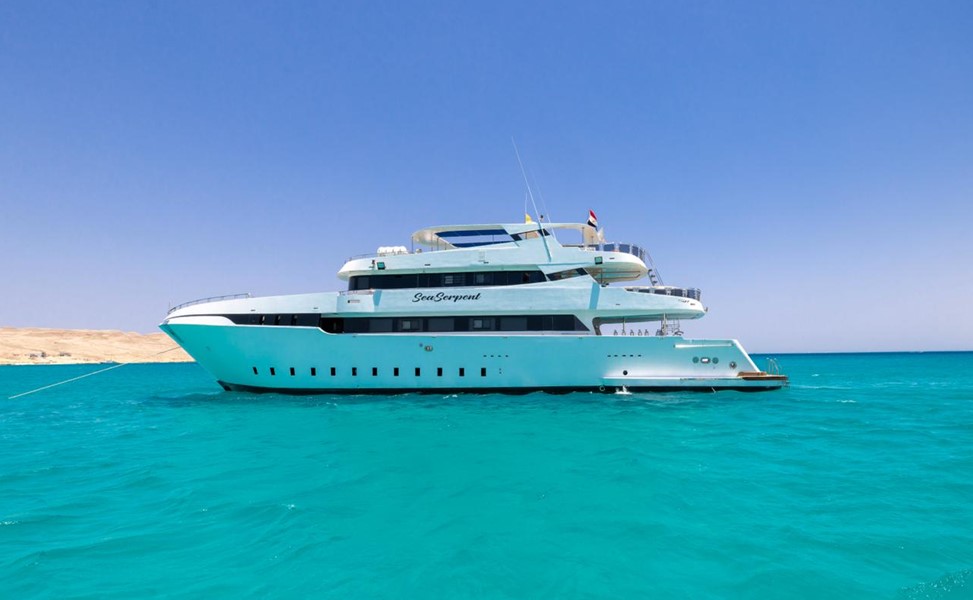
Egypt
Hydrodynamic hull allows for optimum torque-to-displacement ratio increasing speed and stability
Top itineraries in the deep south
Nitrox onboard
02 May, 2026 | 7nts
Brothers - Daedalus - Elphinstone. (BDE)
£1,324
Only 5 space left
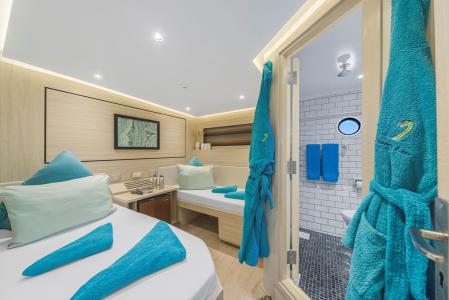
Standard Twin - Lower Deck
Total 8 cabins (maximum 2 people per cabin)
The 8 luxurious twin cabins are located on the lower deck, equipped with individually controlled air-conditioning, mini-bar, bathrobes, and towels among other services.£1,324 p.p.
(Single occupancy £2,383)
Only 5 space left
Included
All diving with thanks, weightds & air
100% finacial protection via our Travel Trust Association membership
ATOL holiday protection when we incldue a flight with your holiday
Not Included
Internation flights - we can add these to your trip
Hotel stays befor or after your trip - we have excpetional prices at the best hotel in the region if you want to extrend your trip
09 May, 2026 | 7nts
Brothers - Daedalus - Elphinstone. (BDE)
£1,290
Only 2 space left
Standard Twin - Lower Deck
Total 8 cabins (maximum 2 people per cabin)
The 8 luxurious twin cabins are located on the lower deck, equipped with individually controlled air-conditioning, mini-bar, bathrobes, and towels among other services.£1,290 p.p.
(Single occupancy £2,321)
Only 2 space left
Included
All diving with thanks, weightds & air
100% finacial protection via our Travel Trust Association membership
ATOL holiday protection when we incldue a flight with your holiday
Not Included
Internation flights - we can add these to your trip
Hotel stays befor or after your trip - we have excpetional prices at the best hotel in the region if you want to extrend your trip
09 May, 2026 | 7nts
Daedalus & St. John's.
£1,324
22 space available
Standard Twin - Lower Deck
Total 8 cabins (maximum 2 people per cabin)
The 8 luxurious twin cabins are located on the lower deck, equipped with individually controlled air-conditioning, mini-bar, bathrobes, and towels among other services.£1,324 p.p.
(Single occupancy £2,383)
16 space available
Standard Twin - Upper Deck
Total 1 cabins (maximum 2 people per cabin)
A luxurious cabin with 2 single beds is located on the upper deck. It is equipped with individually controlled air-conditioning, a mini-bar, bathrobes, and towels among other services.£1,367 p.p.
(Single occupancy £2,426)
Only 2 space left
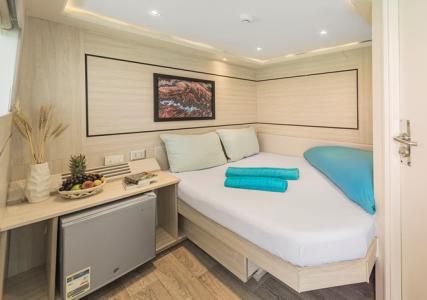
Standard Double Bed - Upper Deck
Total 2 cabins (maximum 2 people per cabin)
Cabins are equipped with individually controlled air-conditioning, mini bar, bathrobes and towels among other services£1,367 p.p.
(Single occupancy £2,426)
Only 4 space left
Included
All diving with thanks, weightds & air
100% finacial protection via our Travel Trust Association membership
ATOL holiday protection when we incldue a flight with your holiday
Not Included
Internation flights - we can add these to your trip
Hotel stays befor or after your trip - we have excpetional prices at the best hotel in the region if you want to extrend your trip
16 May, 2026 | 7nts
Fury Shoal.
£1,196
22 space available
Standard Twin - Lower Deck
Total 8 cabins (maximum 2 people per cabin)
The 8 luxurious twin cabins are located on the lower deck, equipped with individually controlled air-conditioning, mini-bar, bathrobes, and towels among other services.£1,196 p.p.
(Single occupancy £2,152)
16 space available
Standard Twin - Upper Deck
Total 1 cabins (maximum 2 people per cabin)
A luxurious cabin with 2 single beds is located on the upper deck. It is equipped with individually controlled air-conditioning, a mini-bar, bathrobes, and towels among other services.£1,238 p.p.
(Single occupancy £2,195)
Only 2 space left
Standard Double Bed - Upper Deck
Total 2 cabins (maximum 2 people per cabin)
Cabins are equipped with individually controlled air-conditioning, mini bar, bathrobes and towels among other services£1,238 p.p.
(Single occupancy £2,195)
Only 4 space left
Included
All diving with thanks, weightds & air
100% finacial protection via our Travel Trust Association membership
ATOL holiday protection when we incldue a flight with your holiday
Not Included
Internation flights - we can add these to your trip
Hotel stays befor or after your trip - we have excpetional prices at the best hotel in the region if you want to extrend your trip
23 May, 2026 | 7nts
Daedalus & Fury Shoal.
£1,281
8 space available
Standard Twin - Lower Deck
Total 8 cabins (maximum 2 people per cabin)
The 8 luxurious twin cabins are located on the lower deck, equipped with individually controlled air-conditioning, mini-bar, bathrobes, and towels among other services.£1,281 p.p.
(Single occupancy £2,306)
6 space available
Standard Double Bed - Upper Deck
Total 2 cabins (maximum 2 people per cabin)
Cabins are equipped with individually controlled air-conditioning, mini bar, bathrobes and towels among other services£1,324 p.p.
(Single occupancy £2,349)
Only 2 space left
Included
All diving with thanks, weightds & air
100% finacial protection via our Travel Trust Association membership
ATOL holiday protection when we incldue a flight with your holiday
Not Included
Internation flights - we can add these to your trip
Hotel stays befor or after your trip - we have excpetional prices at the best hotel in the region if you want to extrend your trip
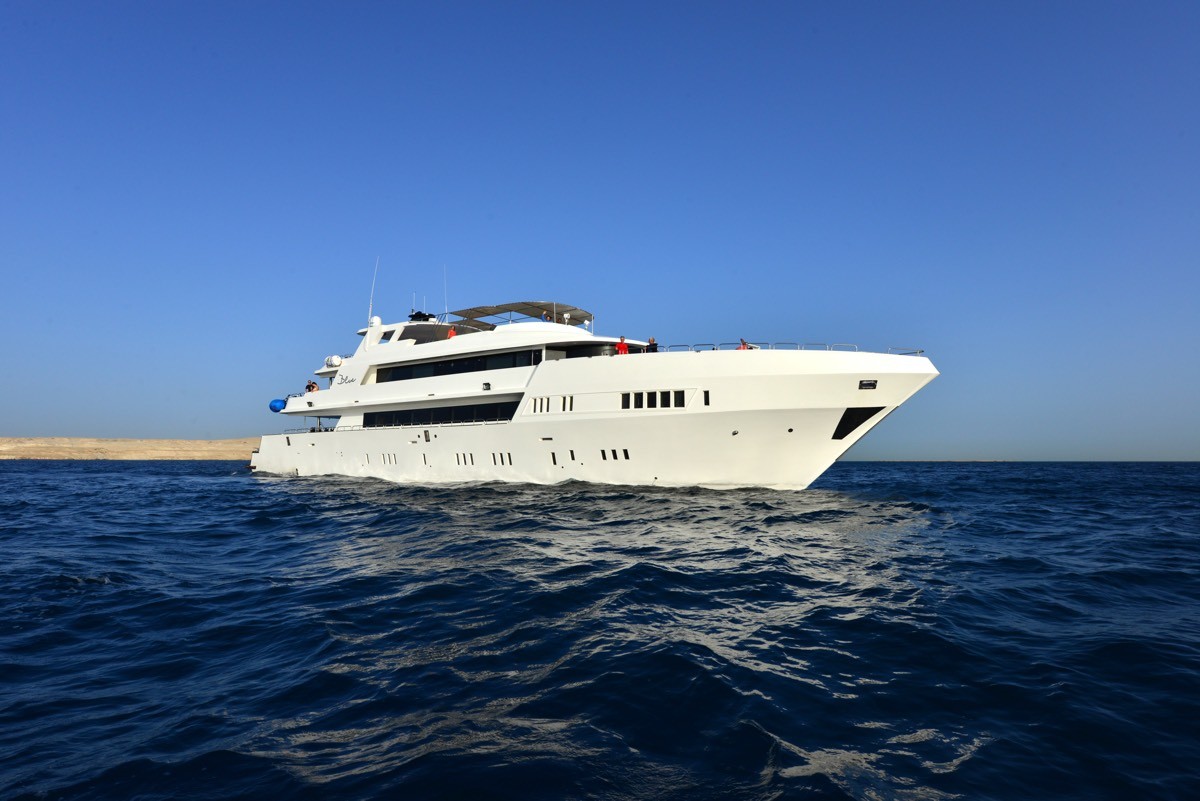
Egypt
A Planet Dive favourite. A great operation throughout.
Top end liveaboard with a focus on safety and service.
Dive the best best dive sites in the Egyptian Red Sea
07 May, 2026 | 7nts
St.Johns
£1,214
19 space available
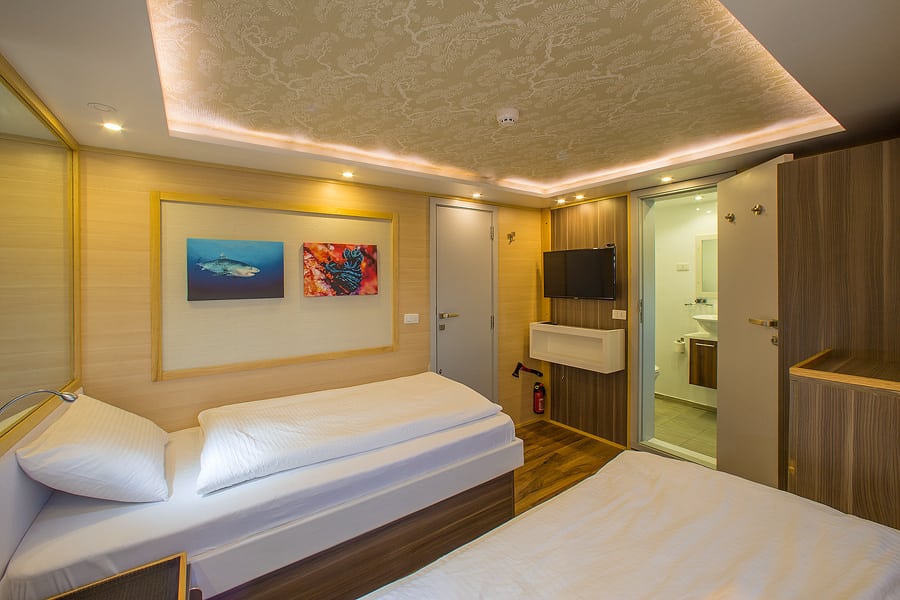
Bow - Lower Deck
Total 1 cabins (maximum 2 people per cabin)
Located on the lower deck at the bow. Each cabin has two single beds, a separate bathroom with shower, toilet, and hairdryer, a TV / DVD combo, individually controlled air conditioning, safe and ample storage space for clothing and travel items.£1,214 p.p.
(Single occupancy £2,185)
Only 2 space left
.jpg)
Twin - Lower Deck
Total 6 cabins (maximum 2 people per cabin)
Located on the lower deck. Each cabin has two single beds, a separate bathroom with shower, toilet, and hairdryer, a TV / DVD combo, individually controlled air conditioning, a safe and ample storage space for clothing and travel items.£1,295 p.p.
(Single occupancy £2,331)
11 space available
.jpg)
Twin Sea View - Upper Deck
Total 2 cabins (maximum 2 people per cabin)
2 cabins located on the upper deck with sea views. Each cabin has two single beds, a separate bathroom with shower, toilet, and hairdryer, a TV / DVD combo, individually controlled air conditioning, safe and ample storage space for clothing and travel ite£1,397 p.p.
(Single occupancy £2,515)
Only 4 space left
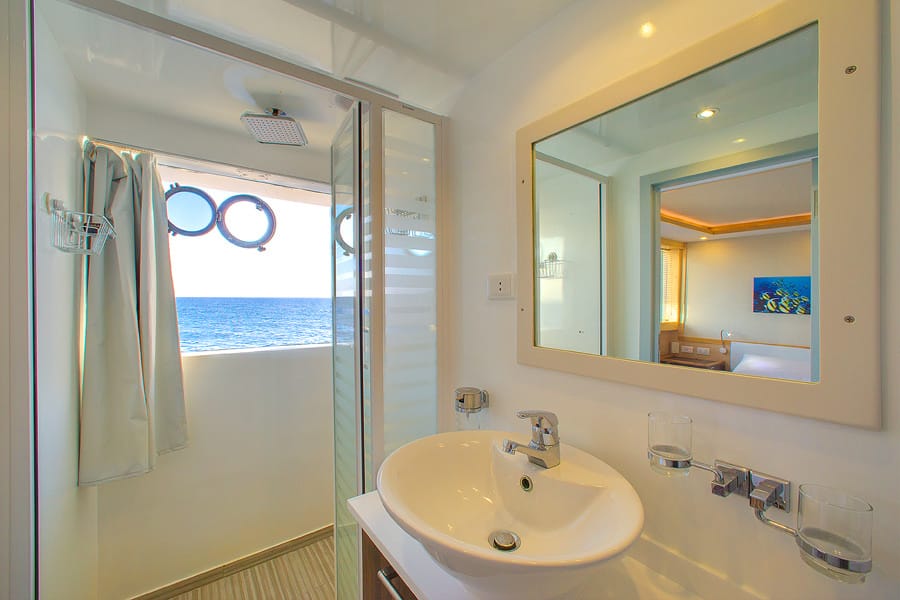
Double Sea View - Upper Deck
Total 2 cabins (maximum 2 people per cabin)
2 cabins located on the upper deck with sea views. Each cabin has a separate bathroom with a shower, toilet, and hairdryer, a TV / DVD combo, individually controlled air conditioning, safe and ample storage space for clothing and travel items.£1,397 p.p.
(Single occupancy £2,515)
Only 2 space left
Included
All diving with thanks, weightds & air
100% finacial protection via our Travel Trust Association membership
ATOL holiday protection when we incldue a flight with your holiday
Not Included
Local fees/diesel surcharge Payable On Location EUR 320
Internation flights - we can add these to your trip
Hotel stays befor or after your trip - we have excpetional prices at the best hotel in the region if you want to extrend your trip
14 May, 2026 | 7nts
Brothers-Daedalus-Elphinstone
£1,214
12 space available
Bow - Lower Deck
Total 1 cabins (maximum 2 people per cabin)
Located on the lower deck at the bow. Each cabin has two single beds, a separate bathroom with shower, toilet, and hairdryer, a TV / DVD combo, individually controlled air conditioning, safe and ample storage space for clothing and travel items.£1,214 p.p.
(Single occupancy £2,185)
Just 1 space left
Twin - Lower Deck
Total 6 cabins (maximum 2 people per cabin)
Located on the lower deck. Each cabin has two single beds, a separate bathroom with shower, toilet, and hairdryer, a TV / DVD combo, individually controlled air conditioning, a safe and ample storage space for clothing and travel items.£1,295 p.p.
(Single occupancy £2,331)
10 space available
Twin Sea View - Upper Deck
Total 2 cabins (maximum 2 people per cabin)
2 cabins located on the upper deck with sea views. Each cabin has two single beds, a separate bathroom with shower, toilet, and hairdryer, a TV / DVD combo, individually controlled air conditioning, safe and ample storage space for clothing and travel ite£1,397 p.p.
(Single occupancy £2,515)
Just 1 space left
Included
All diving with thanks, weightds & air
100% finacial protection via our Travel Trust Association membership
ATOL holiday protection when we incldue a flight with your holiday
Not Included
Local fees/diesel surcharge Payable On Location EUR 320
Internation flights - we can add these to your trip
Hotel stays befor or after your trip - we have excpetional prices at the best hotel in the region if you want to extrend your trip
21 May, 2026 | 7nts
Daedalus & Fury Shoal
£1,214
£1,103
22 space available
Bow - Lower Deck
Total 1 cabins (maximum 2 people per cabin)
Located on the lower deck at the bow. Each cabin has two single beds, a separate bathroom with shower, toilet, and hairdryer, a TV / DVD combo, individually controlled air conditioning, safe and ample storage space for clothing and travel items. £1,214
£1,103 p.p.
(Single occupancy £2,074)
Only 2 space left
Twin - Lower Deck
Total 6 cabins (maximum 2 people per cabin)
Located on the lower deck. Each cabin has two single beds, a separate bathroom with shower, toilet, and hairdryer, a TV / DVD combo, individually controlled air conditioning, a safe and ample storage space for clothing and travel items. £1,295
£1,184 p.p.
(Single occupancy £2,220)
12 space available
Twin Sea View - Upper Deck
Total 2 cabins (maximum 2 people per cabin)
2 cabins located on the upper deck with sea views. Each cabin has two single beds, a separate bathroom with shower, toilet, and hairdryer, a TV / DVD combo, individually controlled air conditioning, safe and ample storage space for clothing and travel ite £1,397
£1,286 p.p.
(Single occupancy £2,404)
Only 2 space left
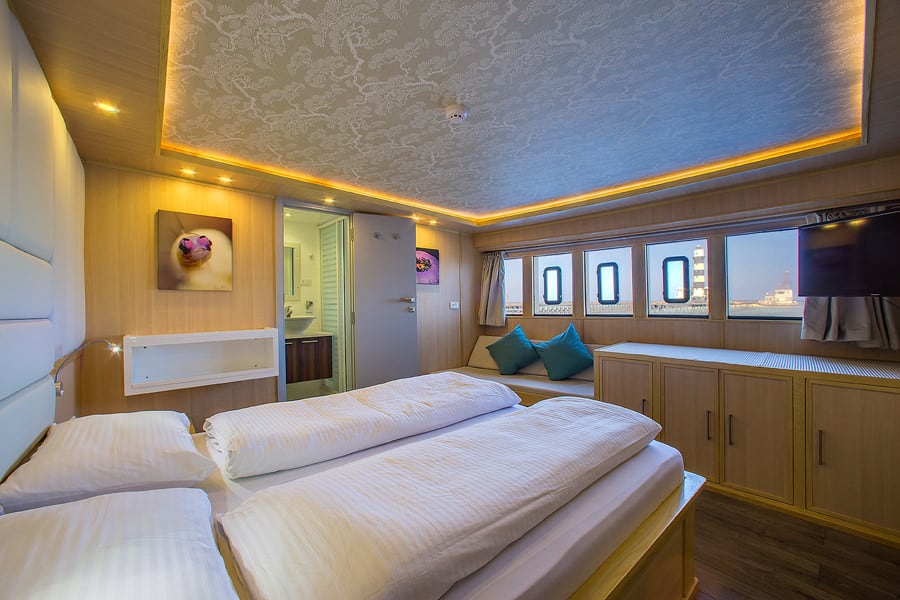
Master - Main Deck
Total 1 cabins (maximum 2 people per cabin)
Suite located on the main deck. Each cabin has two single beds, a separate bathroom with shower, toilet and hair dryer, a TV / DVD combo, individually controlled air conditioning, a safe and ample storage space for clothing and travel items. £1,397
£1,286 p.p.
(Single occupancy £2,404)
Only 2 space left
Double Sea View - Upper Deck
Total 2 cabins (maximum 2 people per cabin)
2 cabins located on the upper deck with sea views. Each cabin has a separate bathroom with a shower, toilet, and hairdryer, a TV / DVD combo, individually controlled air conditioning, safe and ample storage space for clothing and travel items. £1,397
£1,286 p.p.
(Single occupancy £2,404)
Only 4 space left
Included
All diving with thanks, weightds & air
100% finacial protection via our Travel Trust Association membership
ATOL holiday protection when we incldue a flight with your holiday
Not Included
Local fees/diesel surcharge Payable On Location EUR 320
Internation flights - we can add these to your trip
Hotel stays befor or after your trip - we have excpetional prices at the best hotel in the region if you want to extrend your trip
28 May, 2026 | 7nts
Brothers-Daedalus-Elphinstone
£1,214
18 space available
Bow - Lower Deck
Total 1 cabins (maximum 2 people per cabin)
Located on the lower deck at the bow. Each cabin has two single beds, a separate bathroom with shower, toilet, and hairdryer, a TV / DVD combo, individually controlled air conditioning, safe and ample storage space for clothing and travel items.£1,214 p.p.
(Single occupancy £2,185)
Only 2 space left
Twin - Lower Deck
Total 6 cabins (maximum 2 people per cabin)
Located on the lower deck. Each cabin has two single beds, a separate bathroom with shower, toilet, and hairdryer, a TV / DVD combo, individually controlled air conditioning, a safe and ample storage space for clothing and travel items.£1,295 p.p.
(Single occupancy £2,331)
10 space available
Master - Main Deck
Total 1 cabins (maximum 2 people per cabin)
Suite located on the main deck. Each cabin has two single beds, a separate bathroom with shower, toilet and hair dryer, a TV / DVD combo, individually controlled air conditioning, a safe and ample storage space for clothing and travel items.£1,397 p.p.
(Single occupancy £2,515)
Only 2 space left
Double Sea View - Upper Deck
Total 2 cabins (maximum 2 people per cabin)
2 cabins located on the upper deck with sea views. Each cabin has a separate bathroom with a shower, toilet, and hairdryer, a TV / DVD combo, individually controlled air conditioning, safe and ample storage space for clothing and travel items.£1,397 p.p.
(Single occupancy £2,515)
Only 4 space left
Included
All diving with thanks, weightds & air
100% finacial protection via our Travel Trust Association membership
ATOL holiday protection when we incldue a flight with your holiday
Not Included
Local fees/diesel surcharge Payable On Location EUR 320
Internation flights - we can add these to your trip
Hotel stays befor or after your trip - we have excpetional prices at the best hotel in the region if you want to extrend your trip
04 Jun, 2026 | 7nts
Daedalus-Rocky-Zabargad
£1,214
11 space available
Bow - Lower Deck
Total 1 cabins (maximum 2 people per cabin)
Located on the lower deck at the bow. Each cabin has two single beds, a separate bathroom with shower, toilet, and hairdryer, a TV / DVD combo, individually controlled air conditioning, safe and ample storage space for clothing and travel items.£1,214 p.p.
(Single occupancy £2,185)
Only 2 space left
Twin - Lower Deck
Total 6 cabins (maximum 2 people per cabin)
Located on the lower deck. Each cabin has two single beds, a separate bathroom with shower, toilet, and hairdryer, a TV / DVD combo, individually controlled air conditioning, a safe and ample storage space for clothing and travel items.£1,295 p.p.
(Single occupancy £2,331)
9 space available
Included
All diving with thanks, weightds & air
100% finacial protection via our Travel Trust Association membership
ATOL holiday protection when we incldue a flight with your holiday
Not Included
Local fees/diesel surcharge Payable On Location EUR 320
Internation flights - we can add these to your trip
Hotel stays befor or after your trip - we have excpetional prices at the best hotel in the region if you want to extrend your trip
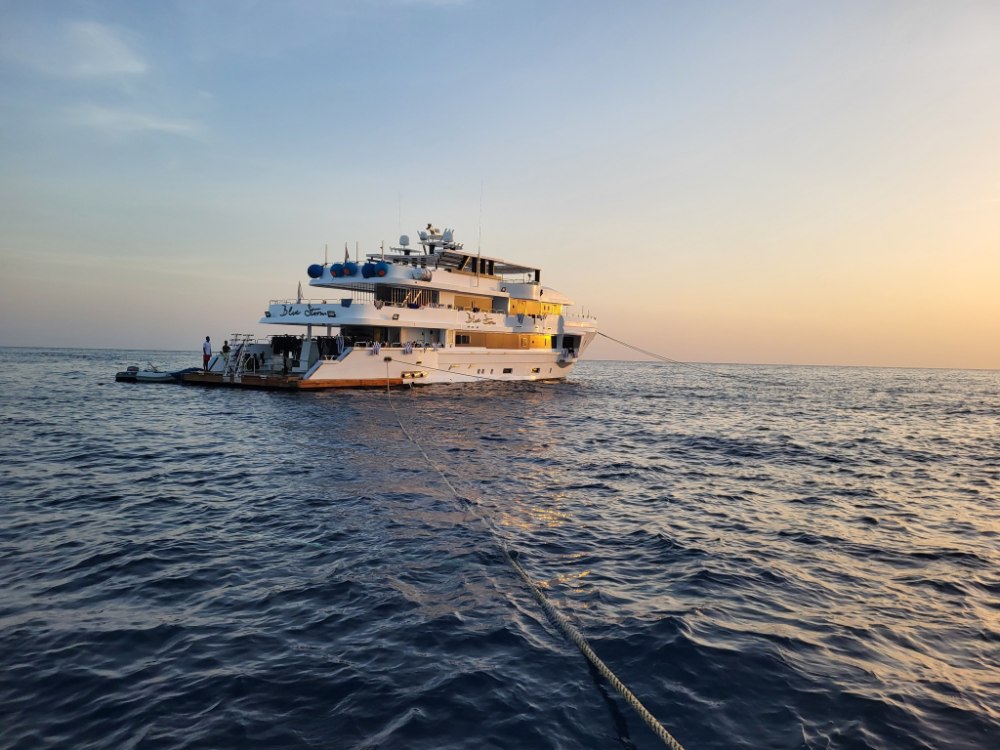
Egypt
Top end liveaboard purpose built for divers. A Planet favourite
Spacious and well-appointed cabins and common areas with modern details
Highly experience crew and dive guides. Minimum 3 dive guides.
21 May, 2026 | 7nts
Brothers-Daedalus-Elphinstone
£1,154
£1,038
22 space available
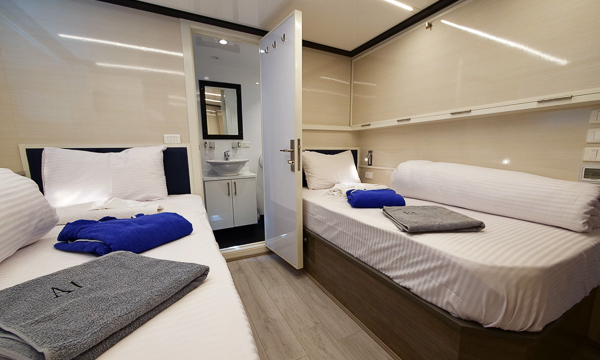
Twin - Lower Deck
Total 6 cabins (maximum 2 people per cabin)
5 cabins on the lower deck (2 cabins can be changed to triple cabins by adding an extra bed). Each cabin is with ensuite bathroom, and air conditioning. £1,154
£1,038 p.p.
(Single occupancy £1,962)
10 space available
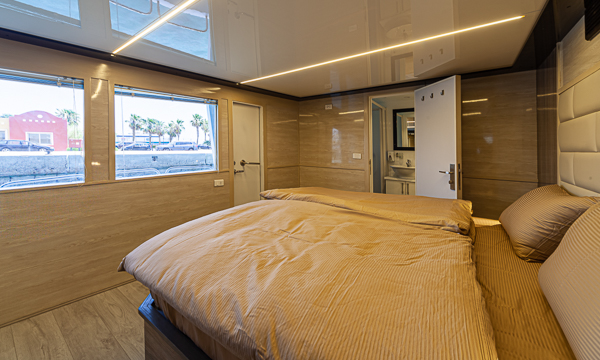
Double Sea View UD - Upper Deck
Total 2 cabins (maximum 2 people per cabin)
2 cabin on the upper deck. Each cabin is with big windows for a sea view, ensuite bathroom, and air conditioning. £1,256
£1,141 p.p.
(Single occupancy £2,146)
Only 4 space left
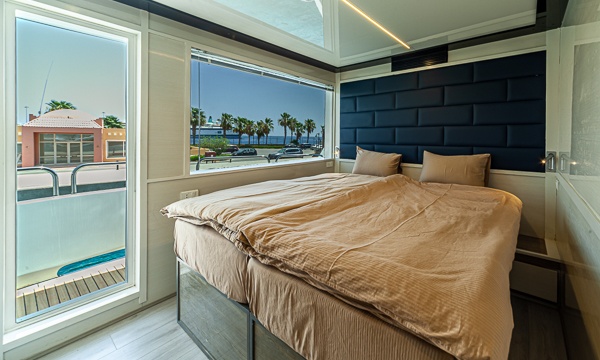
Double Sea View MD - Main Deck
Total 2 cabins (maximum 2 people per cabin)
2 cabin on the main deck. Each cabin is with big windows for a sea view, ensuite bathroom, and air conditioning. £1,256
£1,141 p.p.
(Single occupancy £2,146)
Only 4 space left
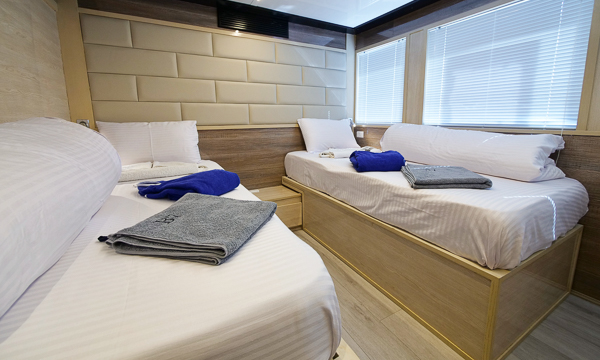
Twin Sea View - Main Deck
Total 2 cabins (maximum 2 people per cabin)
2 cabin on the main deck. Each cabin is with windows for a sea view, ensuite bathroom, and air conditioning. £1,256
£1,141 p.p.
(Single occupancy £2,146)
Only 4 space left
Included
All diving with thanks, weightds & air
100% finacial protection via our Travel Trust Association membership
ATOL holiday protection when we incldue a flight with your holiday
Not Included
Local fees / diesel surcharge Payable On Location EUR 320
Internation flights - we can add these to your trip
Hotel stays befor or after your trip - we have excpetional prices at the best hotel in the region if you want to extrend your trip
28 May, 2026 | 7nts
Brothers-Daedalus-Elphinstone
£1,154
13 space available
Twin - Lower Deck
Total 6 cabins (maximum 2 people per cabin)
5 cabins on the lower deck (2 cabins can be changed to triple cabins by adding an extra bed). Each cabin is with ensuite bathroom, and air conditioning.£1,154 p.p.
(Single occupancy £2,077)
Only 5 space left
Double Sea View MD - Main Deck
Total 2 cabins (maximum 2 people per cabin)
2 cabin on the main deck. Each cabin is with big windows for a sea view, ensuite bathroom, and air conditioning.£1,256 p.p.
(Single occupancy £2,262)
Only 4 space left
Twin Sea View - Main Deck
Total 2 cabins (maximum 2 people per cabin)
2 cabin on the main deck. Each cabin is with windows for a sea view, ensuite bathroom, and air conditioning.£1,256 p.p.
(Single occupancy £2,262)
Only 4 space left
Included
All diving with thanks, weightds & air
100% finacial protection via our Travel Trust Association membership
ATOL holiday protection when we incldue a flight with your holiday
Not Included
Local fees / diesel surcharge Payable On Location EUR 320
Internation flights - we can add these to your trip
Hotel stays befor or after your trip - we have excpetional prices at the best hotel in the region if you want to extrend your trip
04 Jun, 2026 | 7nts
Brothers-Daedalus-Elphinstone
£1,154
20 space available
Twin - Lower Deck
Total 6 cabins (maximum 2 people per cabin)
5 cabins on the lower deck (2 cabins can be changed to triple cabins by adding an extra bed). Each cabin is with ensuite bathroom, and air conditioning.£1,154 p.p.
(Single occupancy £2,077)
8 space available
Double Sea View UD - Upper Deck
Total 2 cabins (maximum 2 people per cabin)
2 cabin on the upper deck. Each cabin is with big windows for a sea view, ensuite bathroom, and air conditioning.£1,256 p.p.
(Single occupancy £2,262)
Only 4 space left
Double Sea View MD - Main Deck
Total 2 cabins (maximum 2 people per cabin)
2 cabin on the main deck. Each cabin is with big windows for a sea view, ensuite bathroom, and air conditioning.£1,256 p.p.
(Single occupancy £2,262)
Only 4 space left
Twin Sea View - Main Deck
Total 2 cabins (maximum 2 people per cabin)
2 cabin on the main deck. Each cabin is with windows for a sea view, ensuite bathroom, and air conditioning.£1,256 p.p.
(Single occupancy £2,262)
Only 4 space left
Included
All diving with thanks, weightds & air
100% finacial protection via our Travel Trust Association membership
ATOL holiday protection when we incldue a flight with your holiday
Not Included
Local fees / diesel surcharge Payable On Location EUR 320
Internation flights - we can add these to your trip
Hotel stays befor or after your trip - we have excpetional prices at the best hotel in the region if you want to extrend your trip
11 Jun, 2026 | 7nts
Daedalus-Rocky-Zabargad
£1,154
18 space available
Twin - Lower Deck
Total 6 cabins (maximum 2 people per cabin)
5 cabins on the lower deck (2 cabins can be changed to triple cabins by adding an extra bed). Each cabin is with ensuite bathroom, and air conditioning.£1,154 p.p.
(Single occupancy £2,077)
10 space available
Double Sea View UD - Upper Deck
Total 2 cabins (maximum 2 people per cabin)
2 cabin on the upper deck. Each cabin is with big windows for a sea view, ensuite bathroom, and air conditioning.£1,256 p.p.
(Single occupancy £2,262)
Only 2 space left
Double Sea View MD - Main Deck
Total 2 cabins (maximum 2 people per cabin)
2 cabin on the main deck. Each cabin is with big windows for a sea view, ensuite bathroom, and air conditioning.£1,256 p.p.
(Single occupancy £2,262)
Only 2 space left
Twin Sea View - Main Deck
Total 2 cabins (maximum 2 people per cabin)
2 cabin on the main deck. Each cabin is with windows for a sea view, ensuite bathroom, and air conditioning.£1,256 p.p.
(Single occupancy £2,262)
Only 4 space left
Included
All diving with thanks, weightds & air
100% finacial protection via our Travel Trust Association membership
ATOL holiday protection when we incldue a flight with your holiday
Not Included
Local fees / diesel surcharge Payable On Location EUR 320
Internation flights - we can add these to your trip
Hotel stays befor or after your trip - we have excpetional prices at the best hotel in the region if you want to extrend your trip
18 Jun, 2026 | 7nts
St.Johns
£1,154
19 space available
Twin - Lower Deck
Total 6 cabins (maximum 2 people per cabin)
5 cabins on the lower deck (2 cabins can be changed to triple cabins by adding an extra bed). Each cabin is with ensuite bathroom, and air conditioning.£1,154 p.p.
(Single occupancy £2,077)
9 space available
Double Sea View UD - Upper Deck
Total 2 cabins (maximum 2 people per cabin)
2 cabin on the upper deck. Each cabin is with big windows for a sea view, ensuite bathroom, and air conditioning.£1,256 p.p.
(Single occupancy £2,262)
Only 4 space left
Double Sea View MD - Main Deck
Total 2 cabins (maximum 2 people per cabin)
2 cabin on the main deck. Each cabin is with big windows for a sea view, ensuite bathroom, and air conditioning.£1,256 p.p.
(Single occupancy £2,262)
Only 4 space left
Twin Sea View - Main Deck
Total 2 cabins (maximum 2 people per cabin)
2 cabin on the main deck. Each cabin is with windows for a sea view, ensuite bathroom, and air conditioning.£1,256 p.p.
(Single occupancy £2,262)
Only 2 space left
Included
All diving with thanks, weightds & air
100% finacial protection via our Travel Trust Association membership
ATOL holiday protection when we incldue a flight with your holiday
Not Included
Local fees / diesel surcharge Payable On Location EUR 255
Internation flights - we can add these to your trip
Hotel stays befor or after your trip - we have excpetional prices at the best hotel in the region if you want to extrend your trip
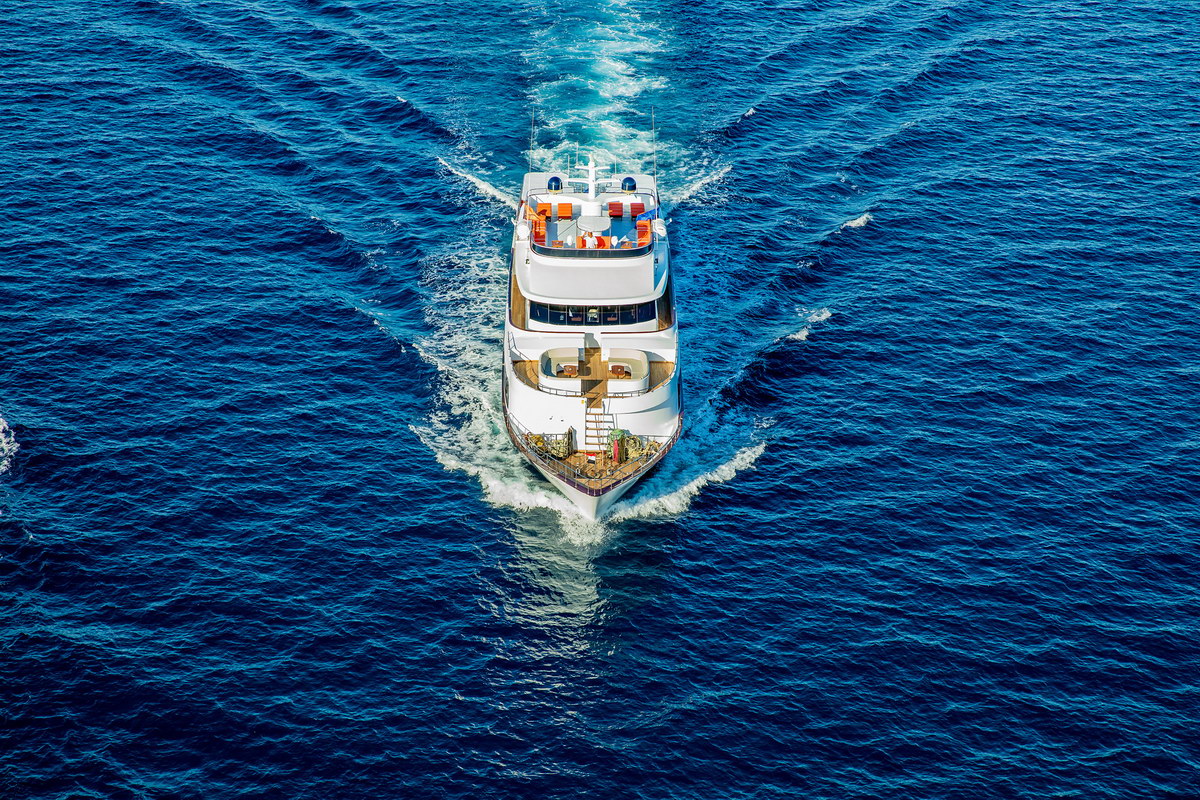
Egypt
Recently (2024) renovated custom built by divers, for divers
Great setup for underwater photographers
Complimentary Nitrox, WiFi, and red wine at dinner
02 May, 2026 | 7nts
Reefs & Wrecks
£1,034
13 space available
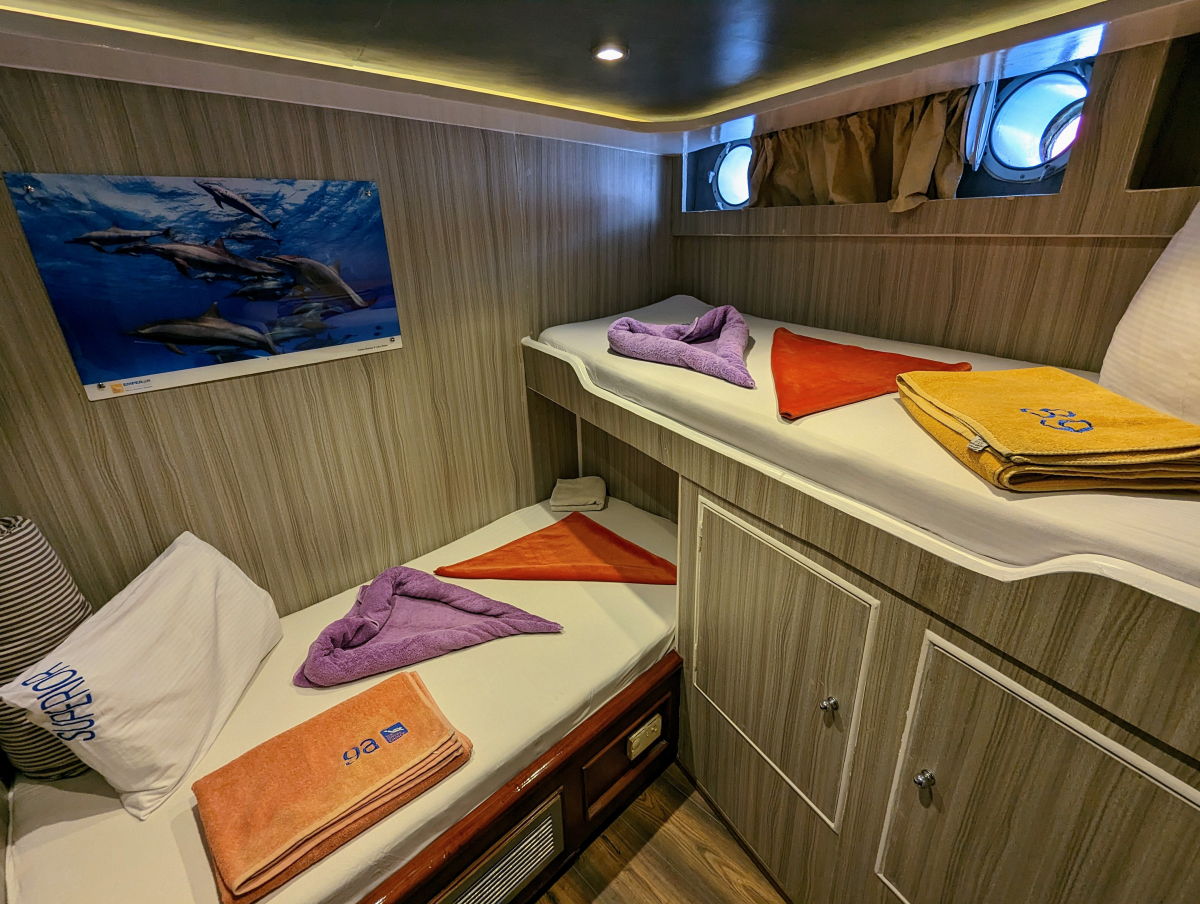
Twin L Bunk - Lower Deck
Total 1 cabins (maximum 2 people per cabin)
Lower deck L-Shaped cabins measure approx. 8sqm with port holes, two single beds in a tiered L-shape and individually controlled air con. Ensuite bathroom with shower and 2 cabin towels per guest.£1,034 p.p.
Only 2 space left
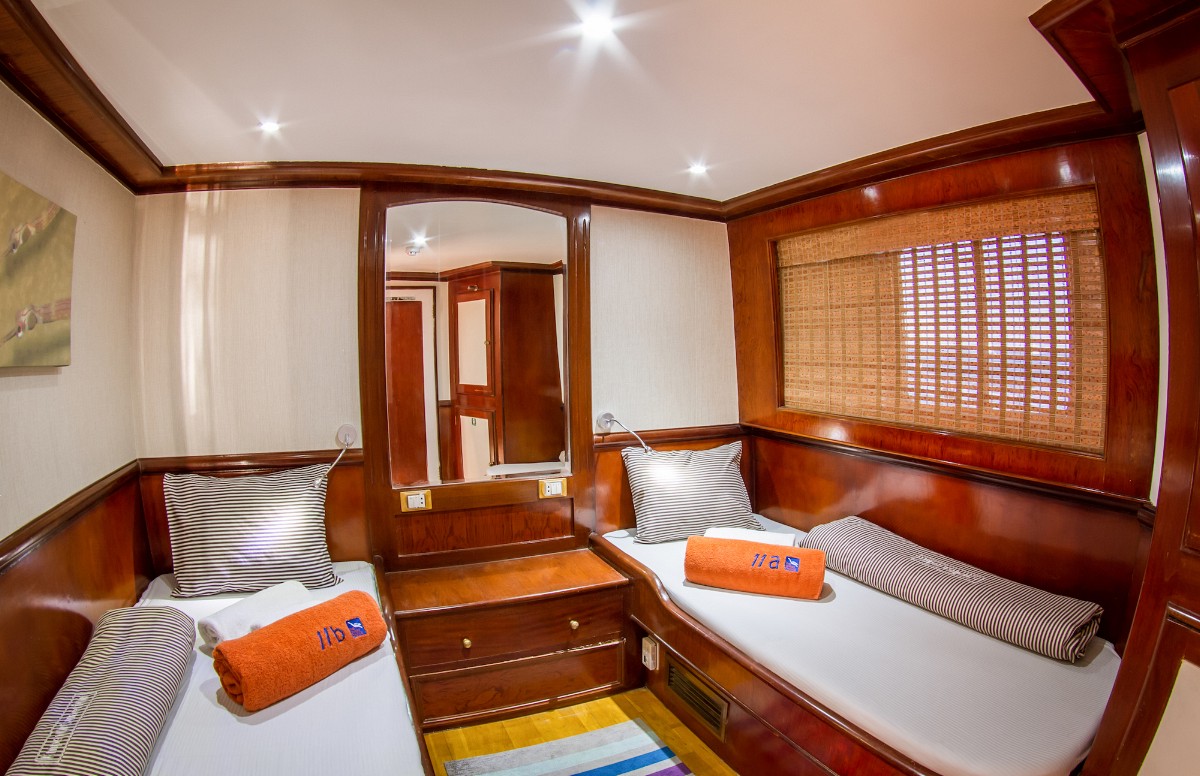
Twin - Lower Deck
Total 8 cabins (maximum 2 people per cabin)
Lower deck twin cabins measure between approx. 9 to 10sqm with port holes, two single beds and individually controlled air con. Ensuite bathroom with shower and 2 cabin towels per guest.£1,068 p.p.
9 space available
Twin - Main Deck
Total 1 cabins (maximum 2 people per cabin)
Main deck twin cabin 10 is approx. 8sqm with a medium sized window, 2 single beds that can be arranged as a double and individually controlled air con. Ensuite bathroom with shower and 2 cabin towels per guest.£1,154 p.p.
Only 2 space left
Included
All diving with thanks, weightds & air
100% finacial protection via our Travel Trust Association membership
ATOL holiday protection when we incldue a flight with your holiday
Not Included
Internation flights - we can add these to your trip
Hotel stays befor or after your trip - we have excpetional prices at the best hotel in the region if you want to extrend your trip
09 May, 2026 | 7nts
Famous Five
£1,120
13 space available
Twin L Bunk - Lower Deck
Total 1 cabins (maximum 2 people per cabin)
Lower deck L-Shaped cabins measure approx. 8sqm with port holes, two single beds in a tiered L-shape and individually controlled air con. Ensuite bathroom with shower and 2 cabin towels per guest.£1,120 p.p.
Only 2 space left
Twin - Lower Deck
Total 8 cabins (maximum 2 people per cabin)
Lower deck twin cabins measure between approx. 9 to 10sqm with port holes, two single beds and individually controlled air con. Ensuite bathroom with shower and 2 cabin towels per guest.£1,154 p.p.
10 space available
Twin - Upper Deck
Total 1 cabins (maximum 2 people per cabin)
Upper deck twin cabin is approx. 11sqm with windows, twin beds and individually controlled air con. Ensuite bathroom with shower. 2 cabin towels per guest.£1,325 p.p.
Just 1 space left
Included
All diving with thanks, weightds & air
100% finacial protection via our Travel Trust Association membership
ATOL holiday protection when we incldue a flight with your holiday
Not Included
Internation flights - we can add these to your trip
Hotel stays befor or after your trip - we have excpetional prices at the best hotel in the region if you want to extrend your trip
16 May, 2026 | 7nts
Reefs & Wrecks
£1,034
6 space available
Twin L Bunk - Lower Deck
Total 1 cabins (maximum 2 people per cabin)
Lower deck L-Shaped cabins measure approx. 8sqm with port holes, two single beds in a tiered L-shape and individually controlled air con. Ensuite bathroom with shower and 2 cabin towels per guest.£1,034 p.p.
Just 1 space left
Twin - Lower Deck
Total 8 cabins (maximum 2 people per cabin)
Lower deck twin cabins measure between approx. 9 to 10sqm with port holes, two single beds and individually controlled air con. Ensuite bathroom with shower and 2 cabin towels per guest.£1,068 p.p.
Only 5 space left
Included
All diving with thanks, weightds & air
100% finacial protection via our Travel Trust Association membership
ATOL holiday protection when we incldue a flight with your holiday
Not Included
Internation flights - we can add these to your trip
Hotel stays befor or after your trip - we have excpetional prices at the best hotel in the region if you want to extrend your trip
23 May, 2026 | 7nts
North & Easy
£1,034
26 space available
Twin L Bunk - Lower Deck
Total 1 cabins (maximum 2 people per cabin)
Lower deck L-Shaped cabins measure approx. 8sqm with port holes, two single beds in a tiered L-shape and individually controlled air con. Ensuite bathroom with shower and 2 cabin towels per guest.£1,034 p.p.
Only 2 space left
Twin - Lower Deck
Total 8 cabins (maximum 2 people per cabin)
Lower deck twin cabins measure between approx. 9 to 10sqm with port holes, two single beds and individually controlled air con. Ensuite bathroom with shower and 2 cabin towels per guest.£1,068 p.p.
16 space available
Twin - Main Deck
Total 1 cabins (maximum 2 people per cabin)
Main deck twin cabin 10 is approx. 8sqm with a medium sized window, 2 single beds that can be arranged as a double and individually controlled air con. Ensuite bathroom with shower and 2 cabin towels per guest.£1,154 p.p.
Only 2 space left
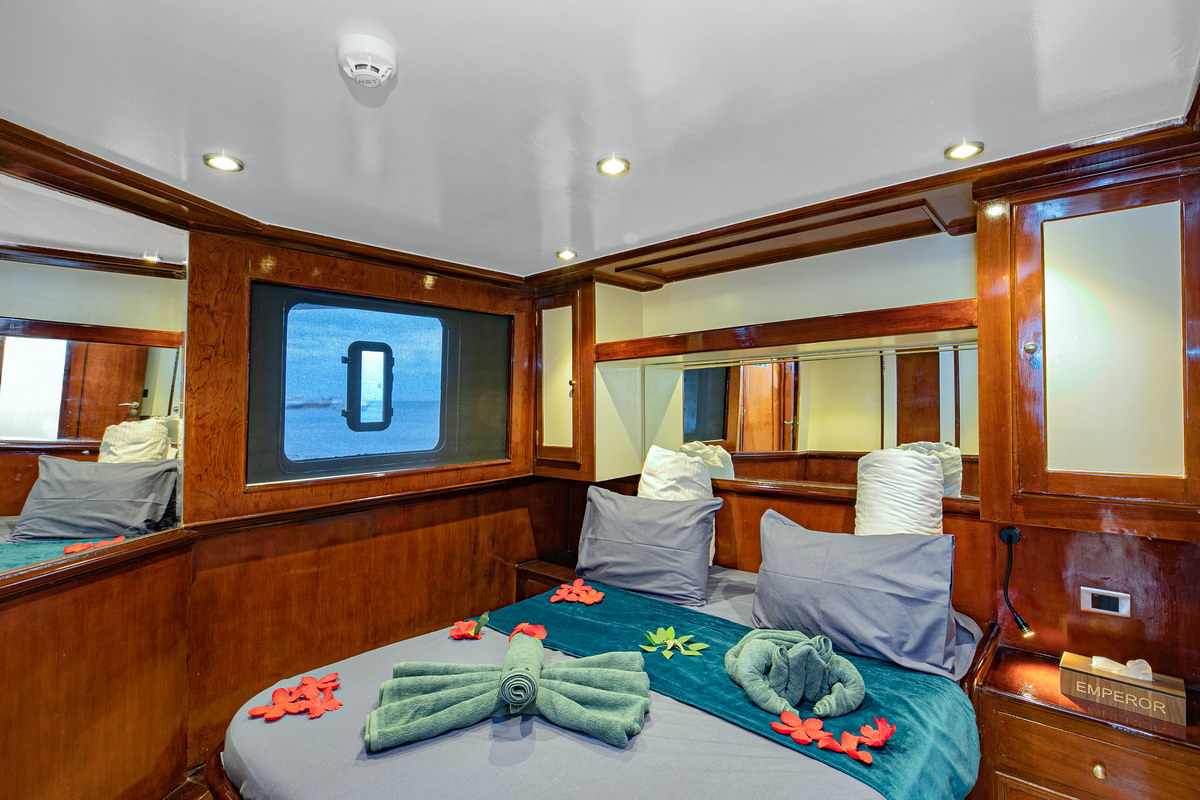
Double - Main Deck
Total 1 cabins (maximum 2 people per cabin)
Main deck double cabin is approx. 12sqm with a small window, a queen-sized double and single bed and individually controlled air con. Ensuite bathroom with shower and 2 cabin towels per guest.£1,197 p.p.
Only 2 space left
Twin - Upper Deck
Total 1 cabins (maximum 2 people per cabin)
Upper deck twin cabin is approx. 11sqm with windows, twin beds and individually controlled air con. Ensuite bathroom with shower. 2 cabin towels per guest.£1,239 p.p.
Only 2 space left
Double - Upper Deck
Total 1 cabins (maximum 2 people per cabin)
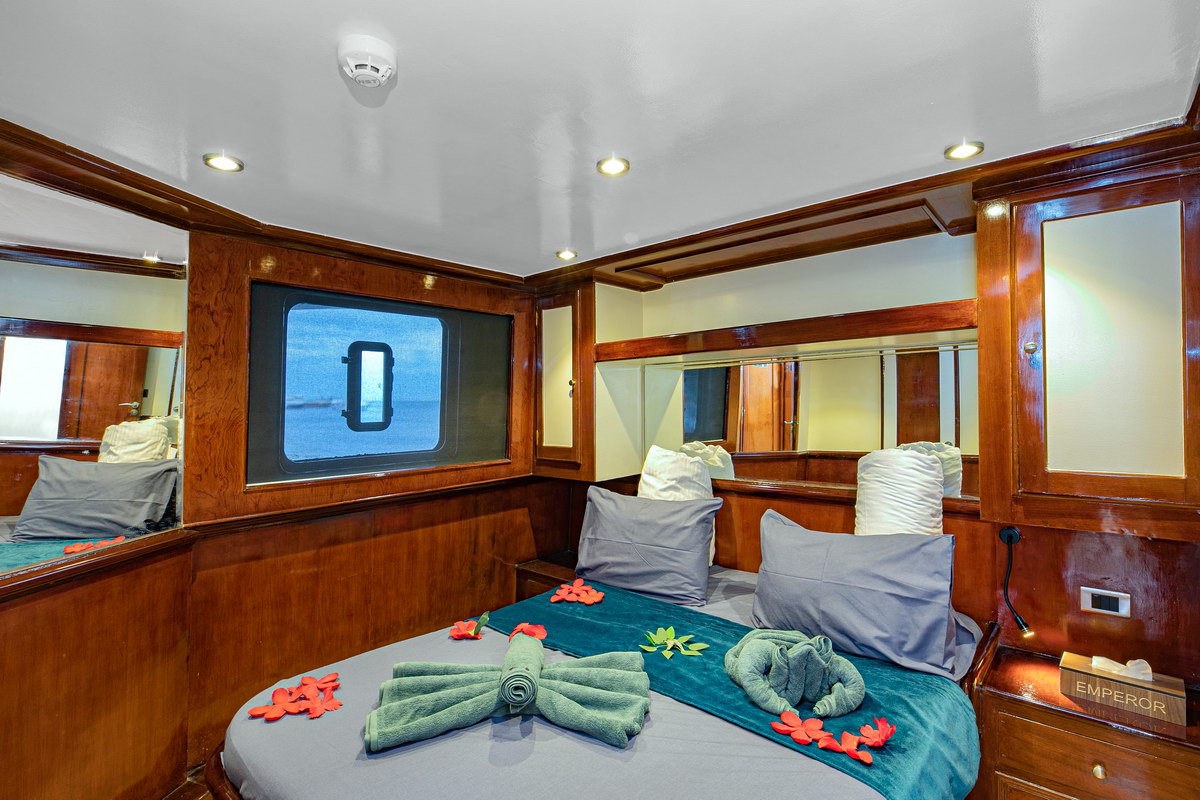
Upper deck double cabin is approx. 11sqm with windows, queen-sized double bed and individually controlled air con. Ensuite bathroom with shower. 2 cabin towels per guest.£1,239 p.p.
Only 2 space left
Included
All diving with thanks, weightds & air
100% finacial protection via our Travel Trust Association membership
ATOL holiday protection when we incldue a flight with your holiday
Not Included
Internation flights - we can add these to your trip
Hotel stays befor or after your trip - we have excpetional prices at the best hotel in the region if you want to extrend your trip
23 May, 2026 | 7nts
Famous Five
£1,120
16 space available
Twin L Bunk - Lower Deck
Total 1 cabins (maximum 2 people per cabin)
Lower deck L-Shaped cabins measure approx. 8sqm with port holes, two single beds in a tiered L-shape and individually controlled air con. Ensuite bathroom with shower and 2 cabin towels per guest.£1,120 p.p.
Only 2 space left
Twin - Lower Deck
Total 8 cabins (maximum 2 people per cabin)
Lower deck twin cabins measure between approx. 9 to 10sqm with port holes, two single beds and individually controlled air con. Ensuite bathroom with shower and 2 cabin towels per guest.£1,154 p.p.
9 space available
Twin - Main Deck
Total 1 cabins (maximum 2 people per cabin)
Main deck twin cabin 10 is approx. 8sqm with a medium sized window, 2 single beds that can be arranged as a double and individually controlled air con. Ensuite bathroom with shower and 2 cabin towels per guest.£1,239 p.p.
Just 1 space left
Double - Main Deck
Total 1 cabins (maximum 2 people per cabin)
Main deck double cabin is approx. 12sqm with a small window, a queen-sized double and single bed and individually controlled air con. Ensuite bathroom with shower and 2 cabin towels per guest.£1,282 p.p.
Only 2 space left
Double - Upper Deck
Total 1 cabins (maximum 2 people per cabin)
Upper deck double cabin is approx. 11sqm with windows, queen-sized double bed and individually controlled air con. Ensuite bathroom with shower. 2 cabin towels per guest.£1,325 p.p.
Only 2 space left
Included
All diving with thanks, weightds & air
100% finacial protection via our Travel Trust Association membership
ATOL holiday protection when we incldue a flight with your holiday
Not Included
Internation flights - we can add these to your trip
Hotel stays befor or after your trip - we have excpetional prices at the best hotel in the region if you want to extrend your trip
Egypt
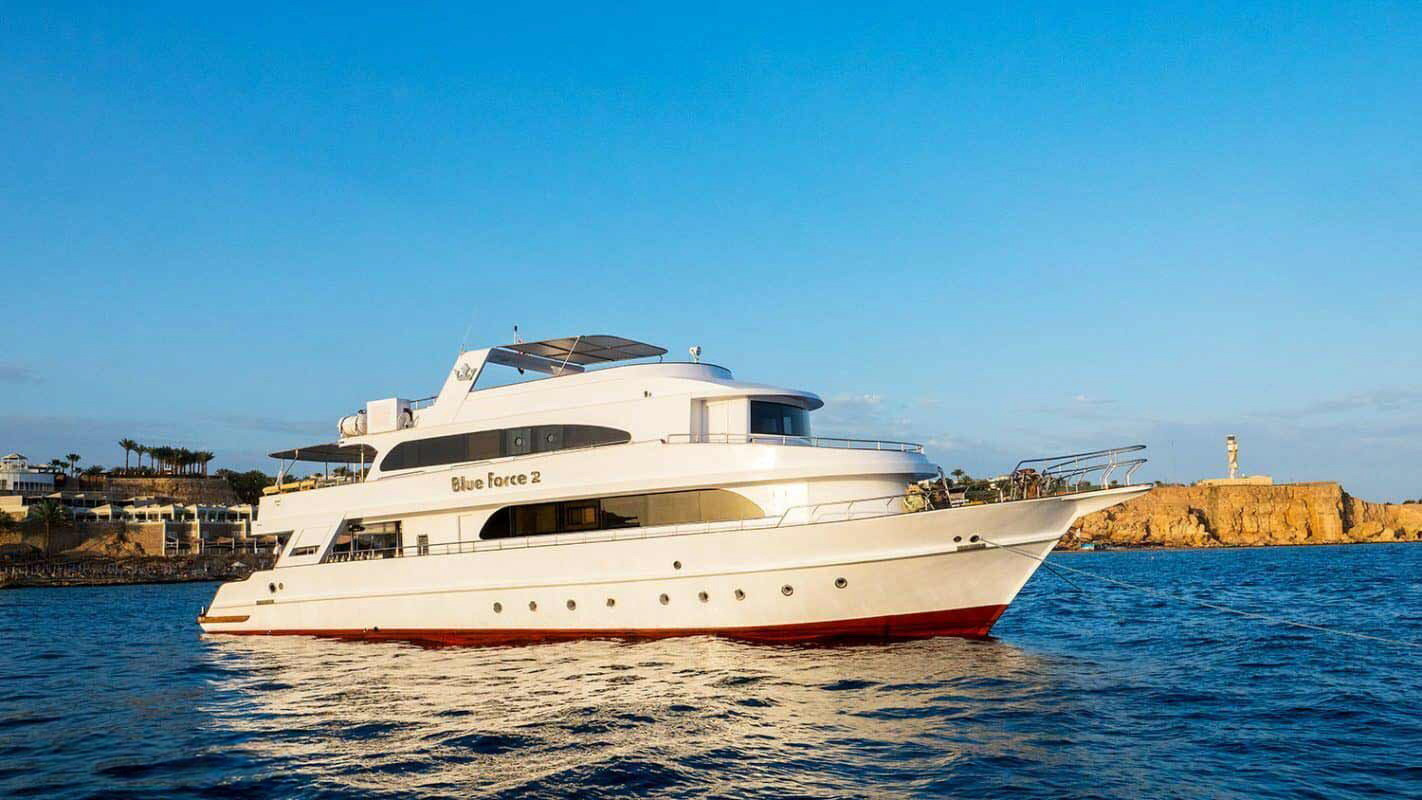
A budget liveaboard option with a focus on the best diving experience.
Good for small groups
Will get you to the best dive sites away from the crowds
06 Jun, 2026 | 7nts
Extended north
£1,188
7 space available
Twin - Lower Deck
Total 5 cabins (maximum 2 people per cabin)
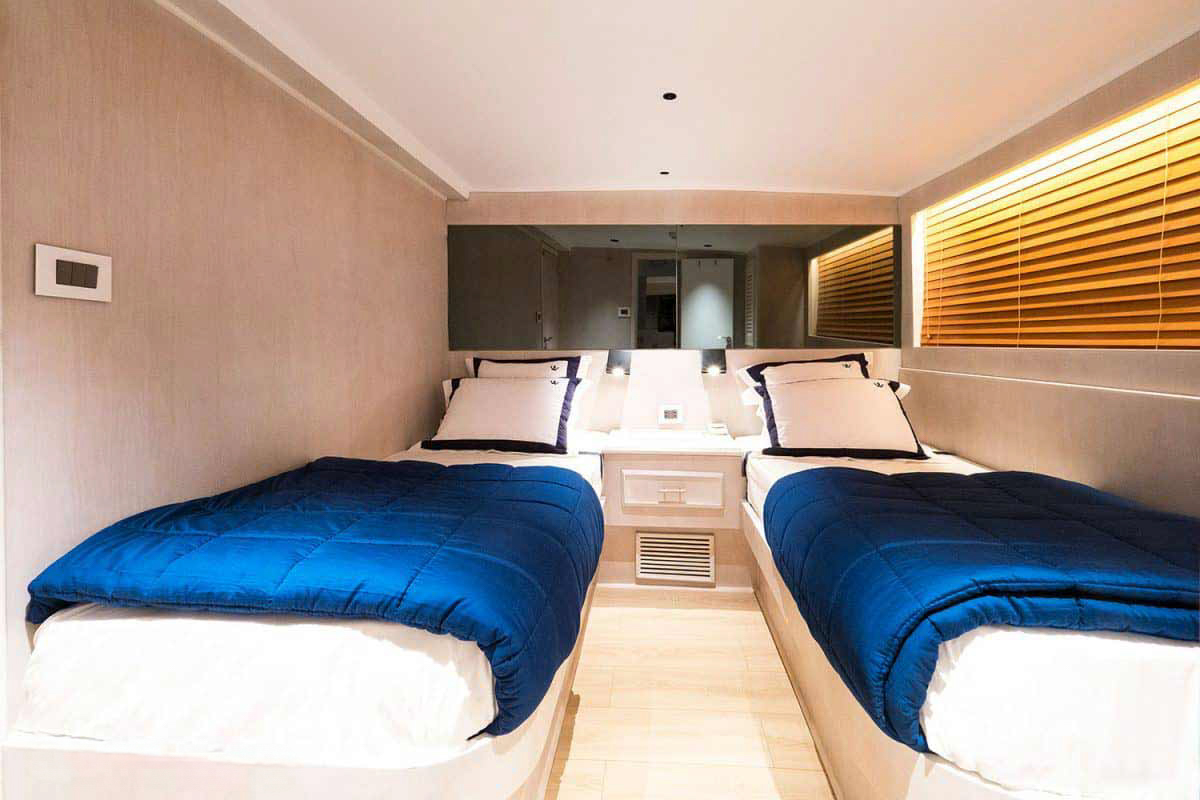
(Cabins from 1 to 5): 5 double cabins with 2 beds, air conditioning, bath, and private shower.£1,188 p.p.
7 space available
Included
All diving with thanks, weightds & air
100% finacial protection via our Travel Trust Association membership
ATOL holiday protection when we incldue a flight with your holiday
Not Included
Service Tax & marine park taxes Payable On Location EUR 230
Nitrox Payable On Location EUR 50
Internation flights - we can add these to your trip
Hotel stays befor or after your trip - we have excpetional prices at the best hotel in the region if you want to extrend your trip
11 Jul, 2026 | 7nts
North route
£1,103
18 space available
Twin - Lower Deck
Total 5 cabins (maximum 2 people per cabin)
(Cabins from 1 to 5): 5 double cabins with 2 beds, air conditioning, bath, and private shower.£1,103 p.p.
10 space available
Twin - Main Deck
Total 4 cabins (maximum 2 people per cabin)
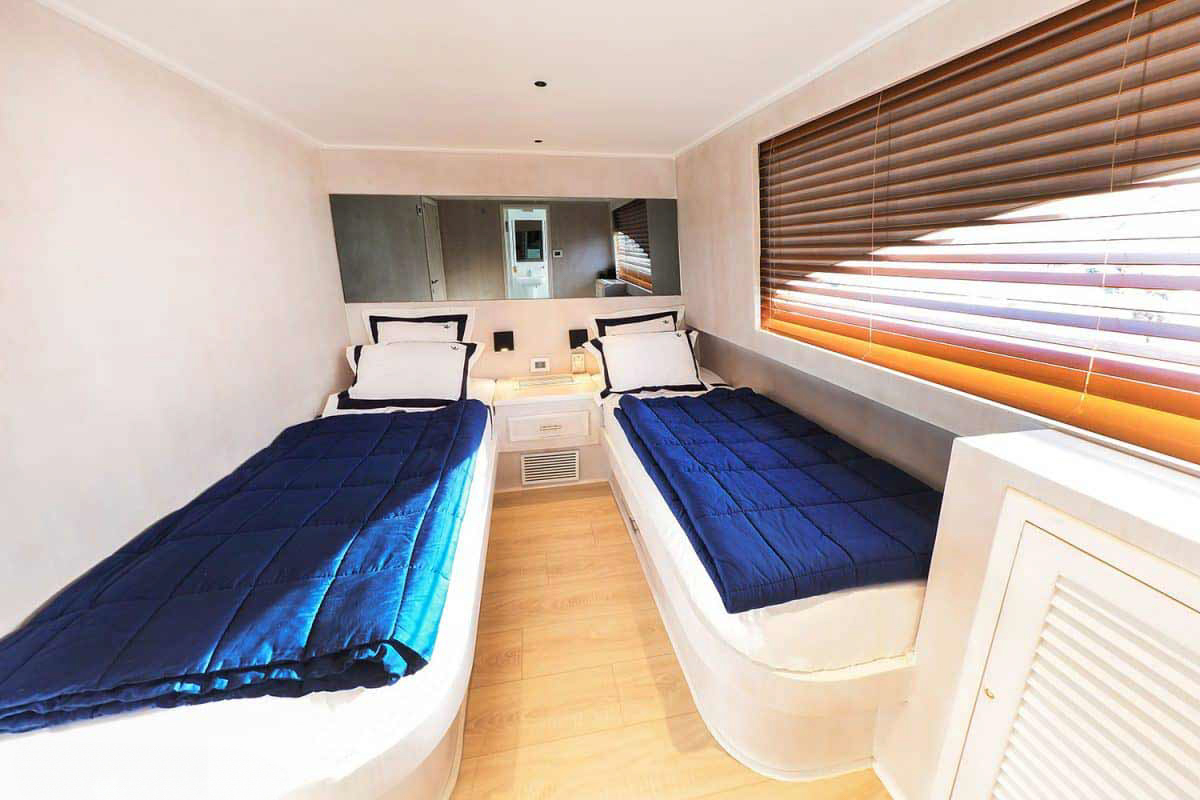
(Cabins from 6 to 9): 4 double cabins with 2 beds, exterior window, air conditioning, bath, and private shower.£1,188 p.p.
8 space available
Included
All diving with thanks, weightds & air
100% finacial protection via our Travel Trust Association membership
ATOL holiday protection when we incldue a flight with your holiday
Not Included
Service Tax & marine park taxes Payable On Location EUR 230
Nitrox Payable On Location EUR 50
Internation flights - we can add these to your trip
Hotel stays befor or after your trip - we have excpetional prices at the best hotel in the region if you want to extrend your trip
18 Jul, 2026 | 7nts
Extended north
£1,188
14 space available
Twin - Lower Deck
Total 5 cabins (maximum 2 people per cabin)
(Cabins from 1 to 5): 5 double cabins with 2 beds, air conditioning, bath, and private shower.£1,188 p.p.
10 space available
Twin - Main Deck
Total 4 cabins (maximum 2 people per cabin)
(Cabins from 6 to 9): 4 double cabins with 2 beds, exterior window, air conditioning, bath, and private shower.£1,274 p.p.
Only 4 space left
Included
All diving with thanks, weightds & air
100% finacial protection via our Travel Trust Association membership
ATOL holiday protection when we incldue a flight with your holiday
Not Included
Service Tax & marine park taxes Payable On Location EUR 230
Nitrox Payable On Location EUR 50
Internation flights - we can add these to your trip
Hotel stays befor or after your trip - we have excpetional prices at the best hotel in the region if you want to extrend your trip
15 Aug, 2026 | 7nts
Extended north
£1,188
Only 3 space left
Twin - Lower Deck
Total 5 cabins (maximum 2 people per cabin)
(Cabins from 1 to 5): 5 double cabins with 2 beds, air conditioning, bath, and private shower.£1,188 p.p.
Only 3 space left
Included
All diving with thanks, weightds & air
100% finacial protection via our Travel Trust Association membership
ATOL holiday protection when we incldue a flight with your holiday
Not Included
Service Tax & marine park taxes Payable On Location EUR 230
Nitrox Payable On Location EUR 50
Internation flights - we can add these to your trip
Hotel stays befor or after your trip - we have excpetional prices at the best hotel in the region if you want to extrend your trip
22 Aug, 2026 | 7nts
Extended north
£1,188
Only 4 space left
Twin - Lower Deck
Total 5 cabins (maximum 2 people per cabin)
(Cabins from 1 to 5): 5 double cabins with 2 beds, air conditioning, bath, and private shower.£1,188 p.p.
Only 2 space left
Twin - Main Deck
Total 4 cabins (maximum 2 people per cabin)
(Cabins from 6 to 9): 4 double cabins with 2 beds, exterior window, air conditioning, bath, and private shower.£1,274 p.p.
Only 2 space left
Included
All diving with thanks, weightds & air
100% finacial protection via our Travel Trust Association membership
ATOL holiday protection when we incldue a flight with your holiday
Not Included
Service Tax & marine park taxes Payable On Location EUR 230
Nitrox Payable On Location EUR 50
Internation flights - we can add these to your trip
Hotel stays befor or after your trip - we have excpetional prices at the best hotel in the region if you want to extrend your trip
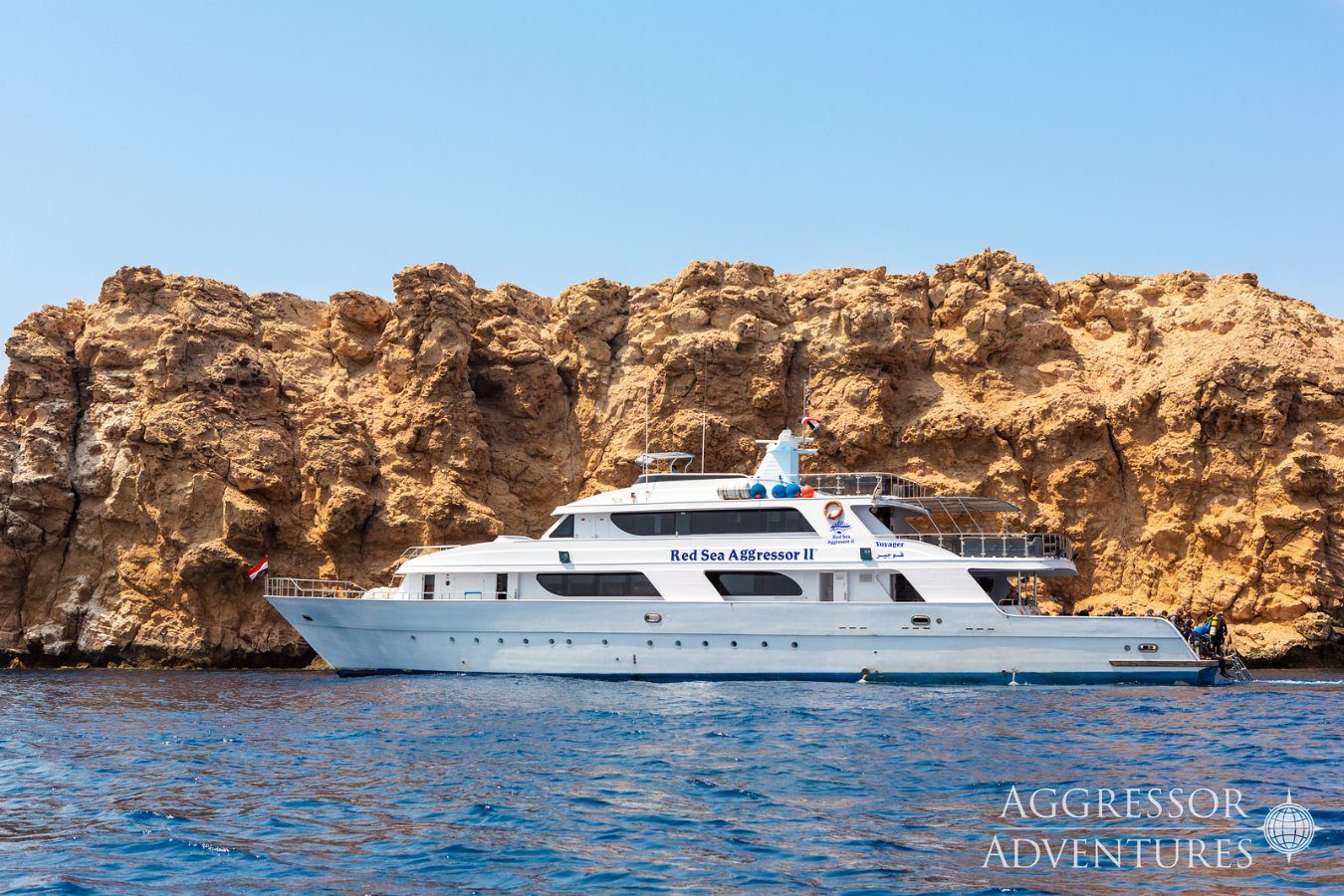
Egypt
A pristine 5* yacht safari with service and diving to match
Review the day’s shots in the on-board digital photo and video center, complete with PC for downloading images
Soak in the Jacuzzi as the sun sinks down into the sea, and help yourself to free wine and beer
02 May, 2026 | 7nts
Northern Red Sea, Ras Mohamed, Straits of Tiran
£2,156
10 space available
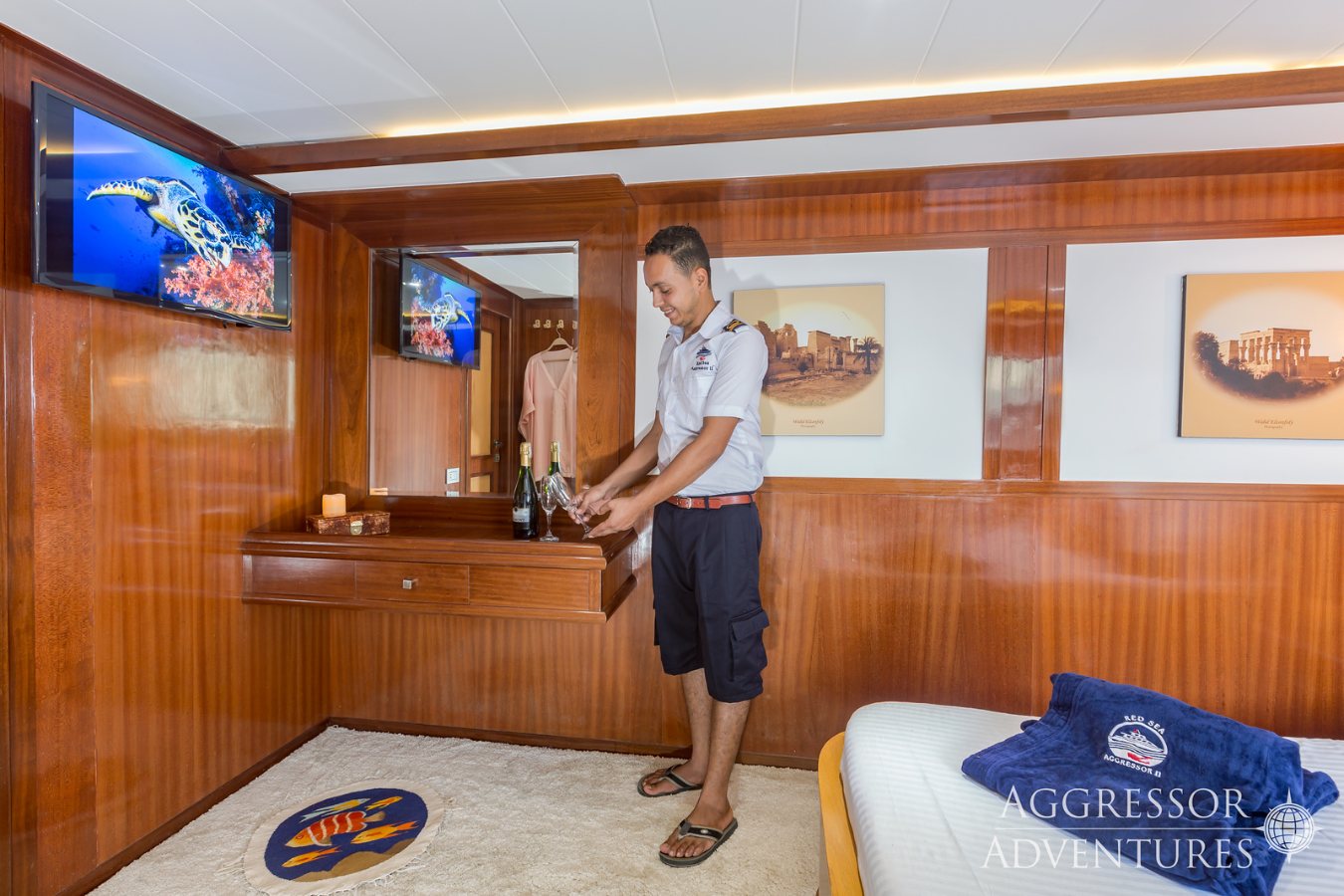
Deluxe Stateroom - Lower Deck
Total 8 cabins (maximum 2 people per cabin)
Deluxe Staterooms (Cabins 1 to 8): These cabins come with two side-by-side single beds, each measuring 35 x 79 inches (90 x 200 cm). Amenities include a porthole view window (with Cabin 8 offering a picture window), air conditioning, private en-suite bath£2,156 p.p.
8 space available
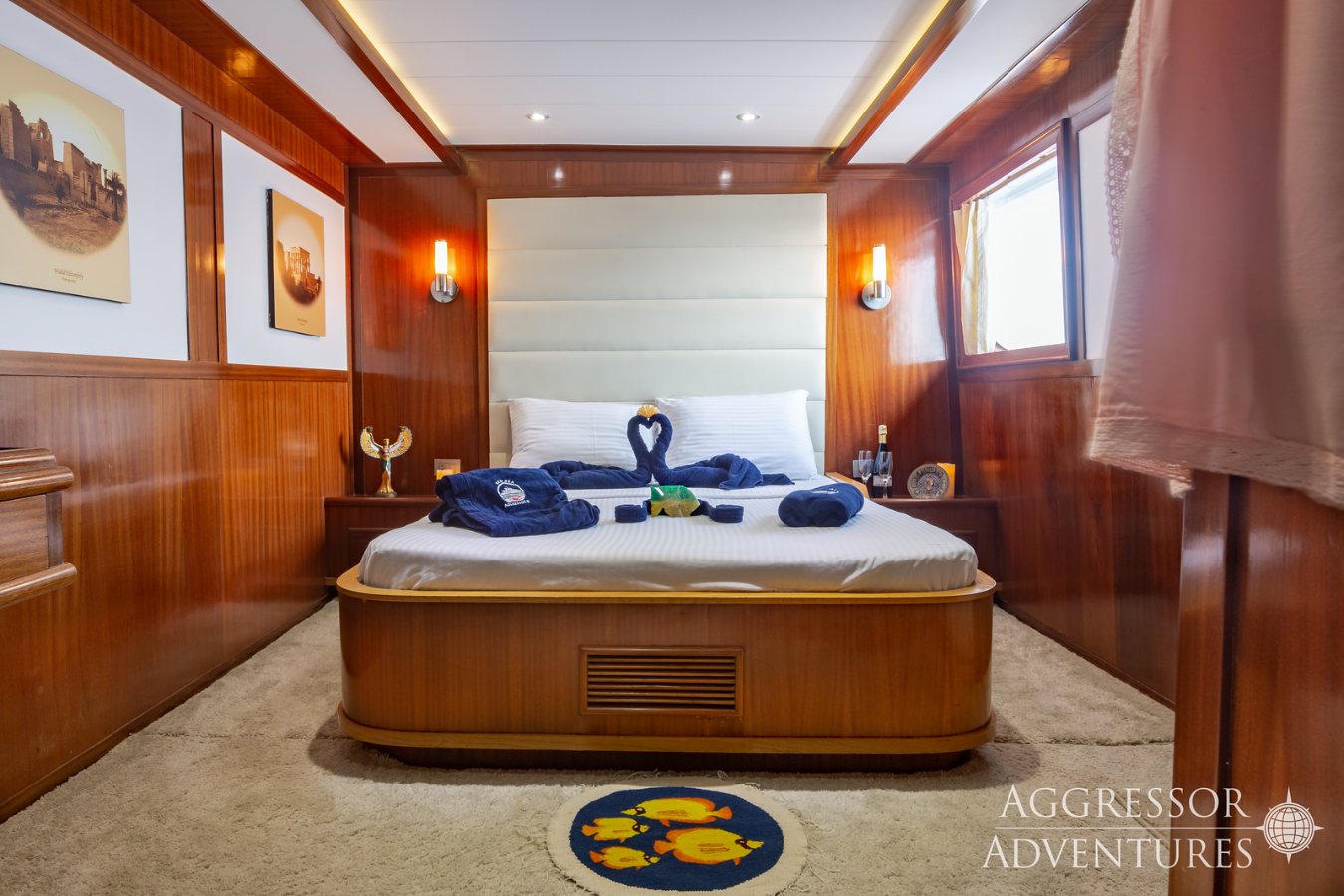
Master Stateroom - Upper Deck
Total 2 cabins (maximum 2 people per cabin)
Master Staterooms (Cabins 9 and 10): Each features a queen bed measuring 63 x 79 inches (160 x 200 cm), a picture window, air conditioning, a private en-suite bathroom with shower, a mirrored cabinet, hairdryer, fresh towels, and individual volume control£2,313 p.p.
Only 2 space left
Included
All diving with thanks, weightds & air
100% finacial protection via our Travel Trust Association membership
ATOL holiday protection when we incldue a flight with your holiday
Not Included
Internation flights - we can add these to your trip
Hotel stays befor or after your trip - we have excpetional prices at the best hotel in the region if you want to extrend your trip
09 May, 2026 | 7nts
Northern Red Sea - Best Wreck Diving
£2,156
Only 4 space left
Deluxe Stateroom - Lower Deck
Total 8 cabins (maximum 2 people per cabin)
Deluxe Staterooms (Cabins 1 to 8): These cabins come with two side-by-side single beds, each measuring 35 x 79 inches (90 x 200 cm). Amenities include a porthole view window (with Cabin 8 offering a picture window), air conditioning, private en-suite bath£2,156 p.p.
Only 2 space left
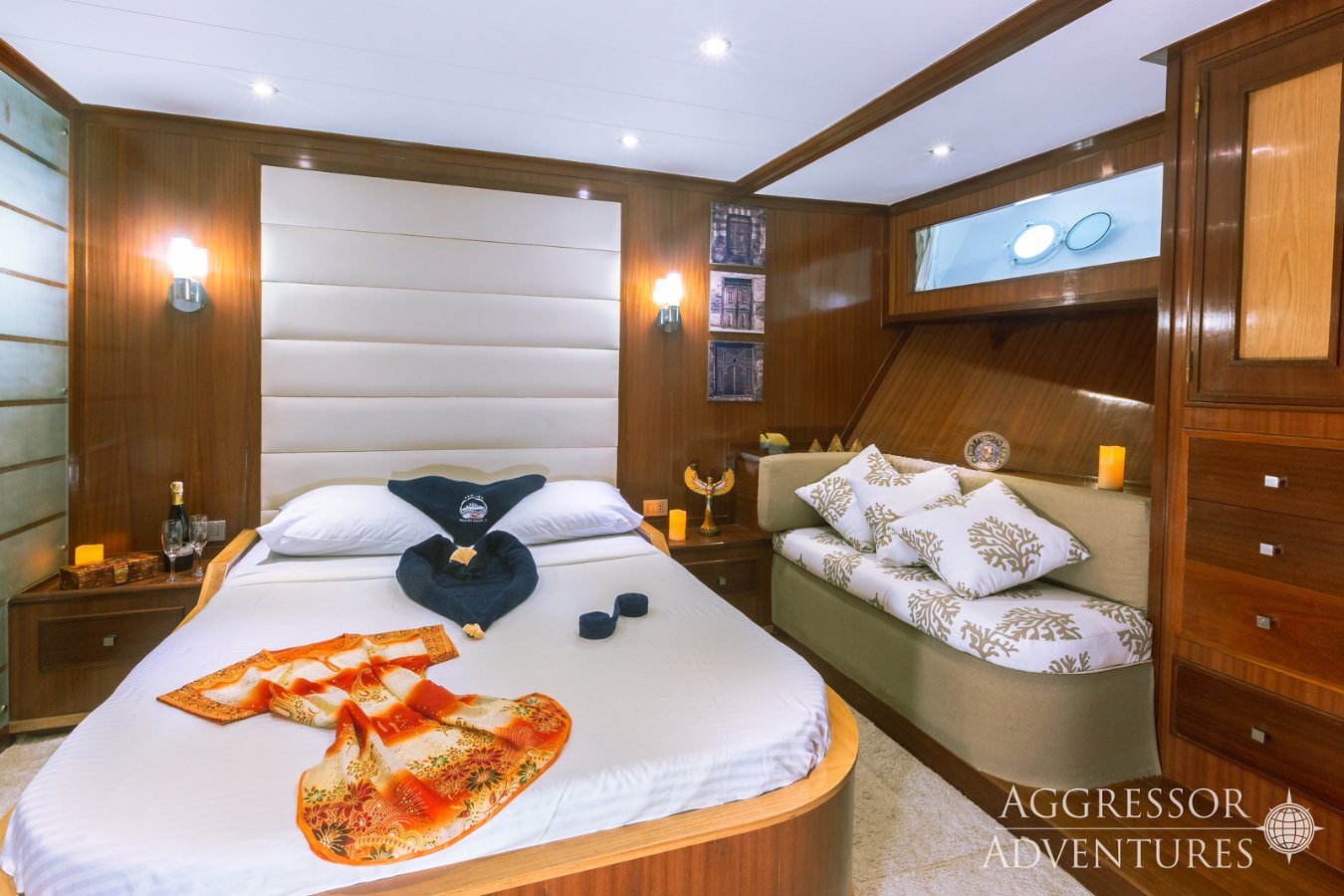
Suite - Lower Deck
Total 1 cabins (maximum 2 people per cabin)
Suite (Cabin 11): This spacious suite is furnished with a queen bed measuring 63 x 79 inches (160 x 200 cm), a porthole, air conditioning, private en-suite bathroom with shower, mirrored cabinet, hairdryer, fresh towels, individual volume controls, and a£2,391 p.p.
Only 2 space left
Included
All diving with thanks, weightds & air
100% finacial protection via our Travel Trust Association membership
ATOL holiday protection when we incldue a flight with your holiday
Not Included
Internation flights - we can add these to your trip
Hotel stays befor or after your trip - we have excpetional prices at the best hotel in the region if you want to extrend your trip
16 May, 2026 | 7nts
Northern Red Sea, Ras Mohamed, Straits of Tiran
£2,156
13 space available
Deluxe Stateroom - Lower Deck
Total 8 cabins (maximum 2 people per cabin)
Deluxe Staterooms (Cabins 1 to 8): These cabins come with two side-by-side single beds, each measuring 35 x 79 inches (90 x 200 cm). Amenities include a porthole view window (with Cabin 8 offering a picture window), air conditioning, private en-suite bath£2,156 p.p.
13 space available
Included
All diving with thanks, weightds & air
100% finacial protection via our Travel Trust Association membership
ATOL holiday protection when we incldue a flight with your holiday
Not Included
Internation flights - we can add these to your trip
Hotel stays befor or after your trip - we have excpetional prices at the best hotel in the region if you want to extrend your trip
23 May, 2026 | 7nts
Northern Red Sea, Ras Mohamed, Straits of Tiran
£2,156
Just 1 space left
Deluxe Stateroom - Lower Deck
Total 8 cabins (maximum 2 people per cabin)
Deluxe Staterooms (Cabins 1 to 8): These cabins come with two side-by-side single beds, each measuring 35 x 79 inches (90 x 200 cm). Amenities include a porthole view window (with Cabin 8 offering a picture window), air conditioning, private en-suite bath£2,156 p.p.
Just 1 space left
Included
All diving with thanks, weightds & air
100% finacial protection via our Travel Trust Association membership
ATOL holiday protection when we incldue a flight with your holiday
Not Included
Internation flights - we can add these to your trip
Hotel stays befor or after your trip - we have excpetional prices at the best hotel in the region if you want to extrend your trip
06 Jun, 2026 | 7nts
Northern Red Sea, Ras Mohamed, Straits of Tiran
£2,156
Only 5 space left
Deluxe Stateroom - Lower Deck
Total 8 cabins (maximum 2 people per cabin)
Deluxe Staterooms (Cabins 1 to 8): These cabins come with two side-by-side single beds, each measuring 35 x 79 inches (90 x 200 cm). Amenities include a porthole view window (with Cabin 8 offering a picture window), air conditioning, private en-suite bath£2,156 p.p.
Only 3 space left
Master Stateroom - Upper Deck
Total 2 cabins (maximum 2 people per cabin)
Master Staterooms (Cabins 9 and 10): Each features a queen bed measuring 63 x 79 inches (160 x 200 cm), a picture window, air conditioning, a private en-suite bathroom with shower, a mirrored cabinet, hairdryer, fresh towels, and individual volume control£2,313 p.p.
Only 2 space left
Included
All diving with thanks, weightds & air
100% finacial protection via our Travel Trust Association membership
ATOL holiday protection when we incldue a flight with your holiday
Not Included
Internation flights - we can add these to your trip
Hotel stays befor or after your trip - we have excpetional prices at the best hotel in the region if you want to extrend your trip
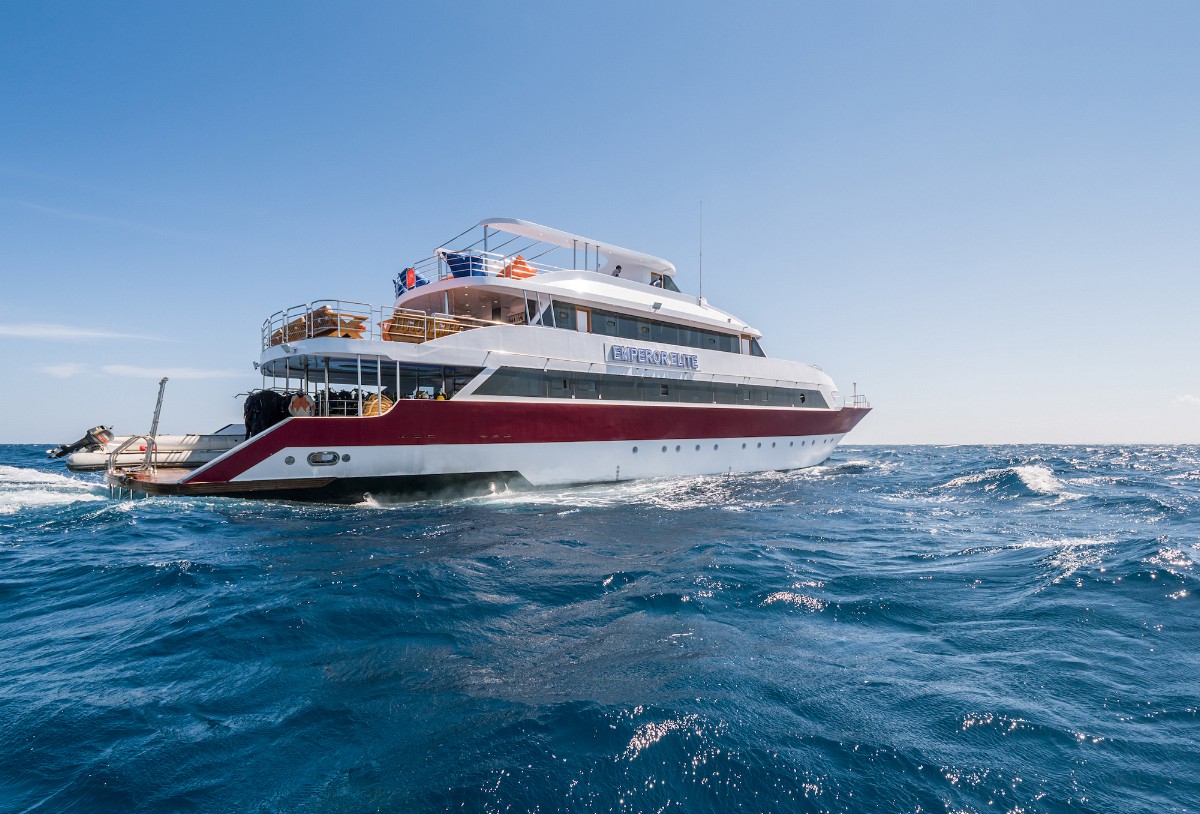
Egypt
Newly refurbished to a high standard in 2023
Free Nitrox with this Egypt liveaboard
Highly professional operation with outstanding safety standards
07 May, 2026 | 7nts
Southern Solitude
£1,282
Only 3 space left
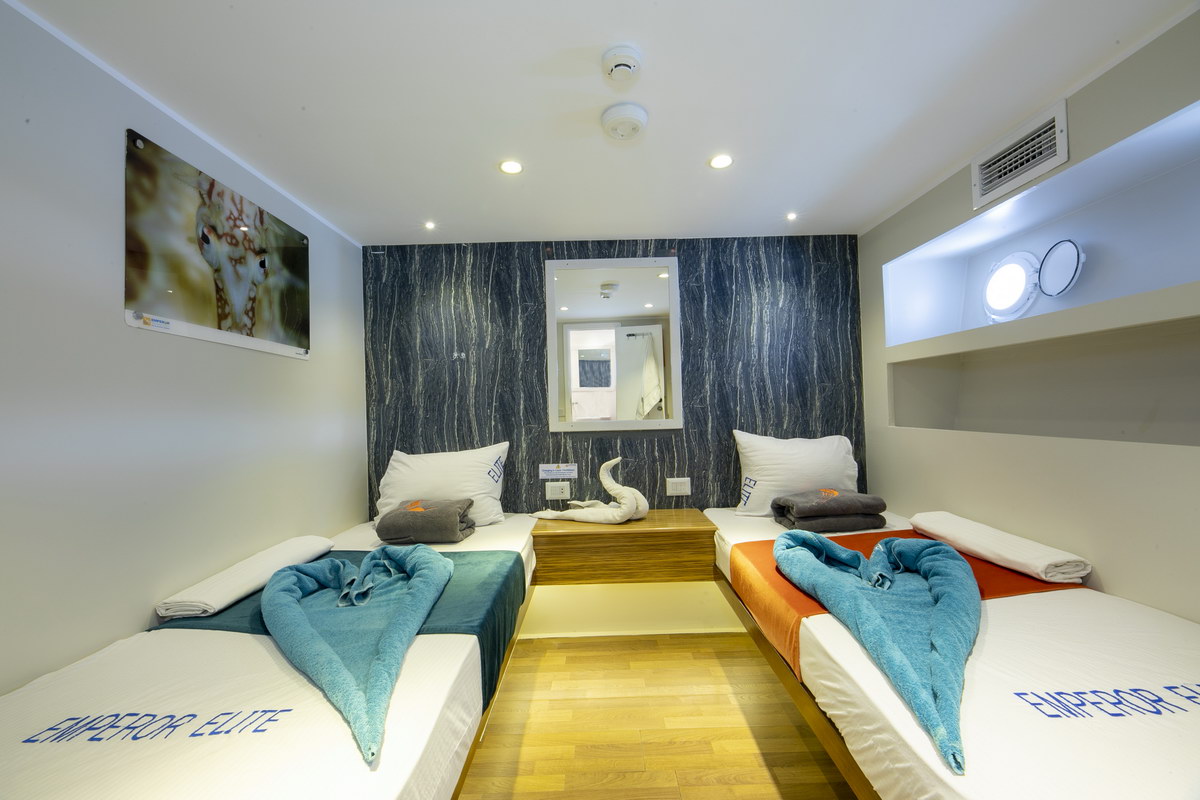
Twin - Lower Deck
Total 8 cabins (maximum 2 people per cabin)
Lower deck twin berth cabins are approx. 10sqm with port holes, twin beds and individually controlled air con. Ensuite bathroom with shower and 2 cabin towels per guest.£1,282 p.p.
Just 1 space left
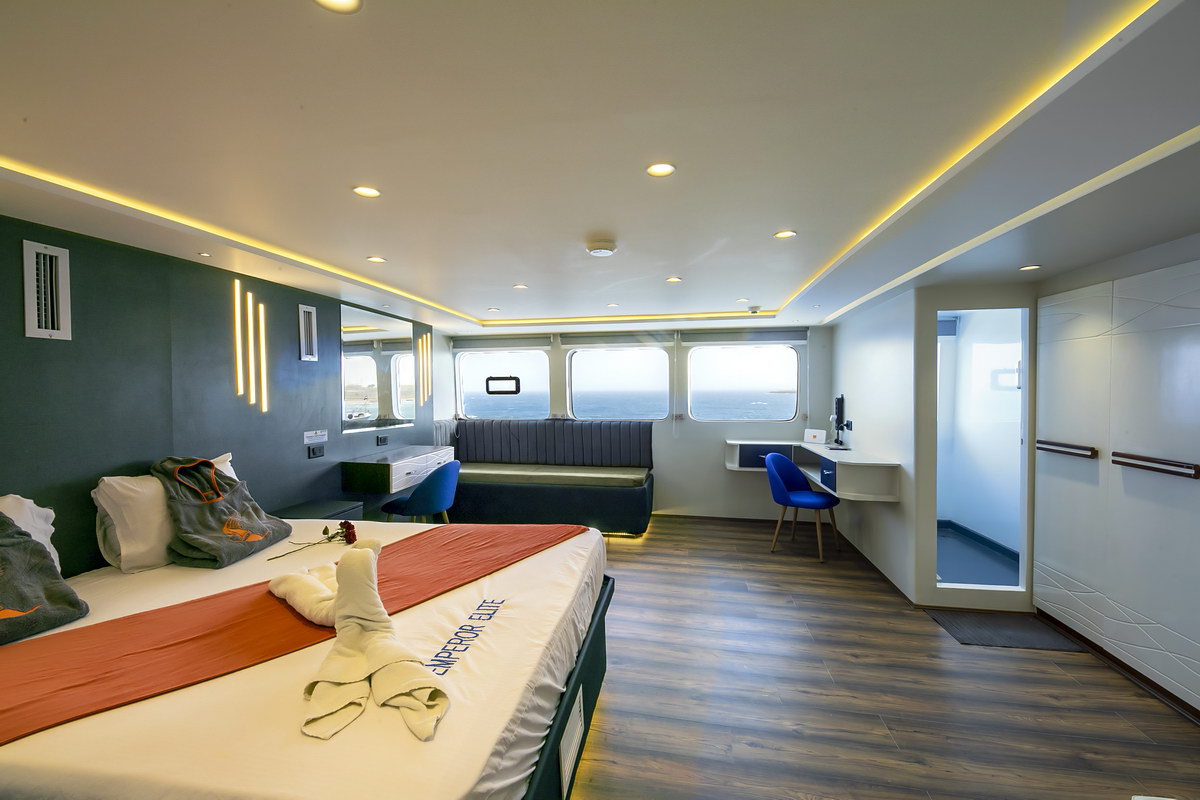
Executive Suite - Upper Deck
Total 1 cabins (maximum 2 people per cabin)
Executive Suite is located on the upper deck and measures approx. 28sqm with large windows, king-sized double bed, 2 sofas (1 converts to a full-size single bed), dual air con, flat screen smart TV (USB connection) and an exclusive WiFi router on the writ£1,709 p.p.
Only 2 space left
Included
All diving with thanks, weightds & air
100% finacial protection via our Travel Trust Association membership
ATOL holiday protection when we incldue a flight with your holiday
Not Included
Internation flights - we can add these to your trip
Hotel stays befor or after your trip - we have excpetional prices at the best hotel in the region if you want to extrend your trip
14 May, 2026 | 7nts
South & St Johns
£1,239
10 space available
Twin - Lower Deck
Total 8 cabins (maximum 2 people per cabin)
Lower deck twin berth cabins are approx. 10sqm with port holes, twin beds and individually controlled air con. Ensuite bathroom with shower and 2 cabin towels per guest.£1,239 p.p.
6 space available
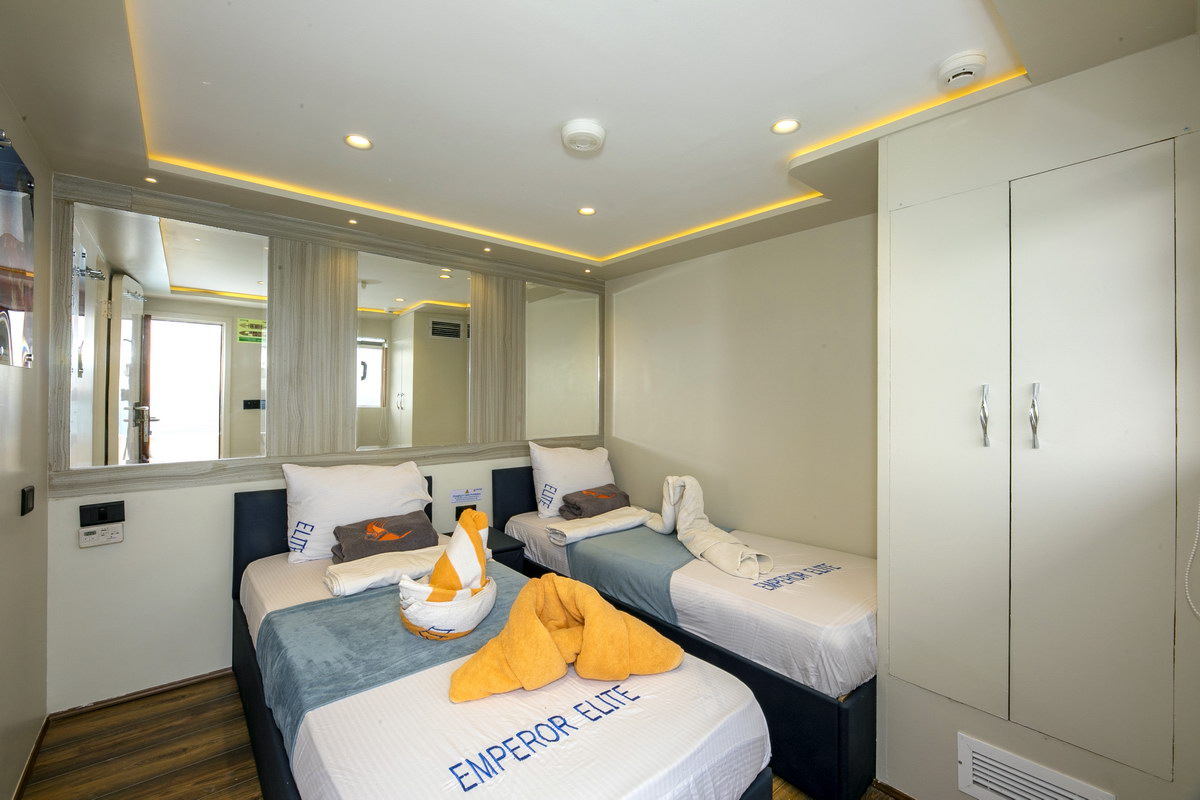
Twin - Main Deck
Total 1 cabins (maximum 2 people per cabin)
Main deck twin cabin is approx. 12sqm with a large window, twin beds which can be converted to a double bed on request and individually controlled air con. Ensuite bathroom with shower and 2 cabin towels per guest.£1,325 p.p.
Just 1 space left
Twin - Upper Deck
Total 4 cabins (maximum 2 people per cabin)
Upper deck twin cabins are approx. 9sqm with large windows, twin beds with individually controlled air con. Ensuite bathroom with shower and 2 cabin towels per guest.£1,325 p.p.
Just 1 space left
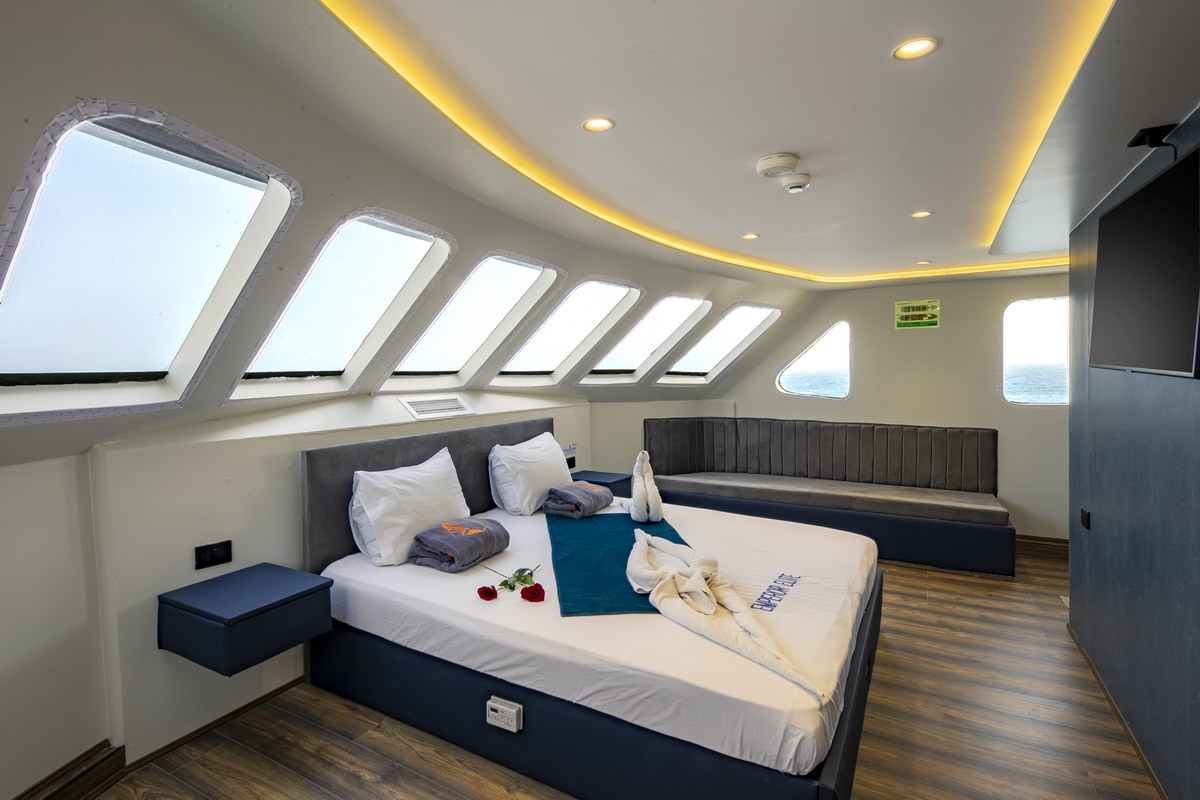
Junior Suite - Upper Deck
Total 1 cabins (maximum 2 people per cabin)
Junior Suite is located on the upper deck and measures approx. 19sqm with panoramic windows, king-sized double bed, a sofa that converts into a full-size single bed, individually controlled air con, and a 32” flat screen TV (USB connection). Ensuite bathr£1,440 p.p.
Only 2 space left
Included
All diving with thanks, weightds & air
100% finacial protection via our Travel Trust Association membership
ATOL holiday protection when we incldue a flight with your holiday
Not Included
Internation flights - we can add these to your trip
Hotel stays befor or after your trip - we have excpetional prices at the best hotel in the region if you want to extrend your trip
21 May, 2026 | 7nts
Southern Solitude
£1,368
7 space available
Twin - Main Deck
Total 1 cabins (maximum 2 people per cabin)
Main deck twin cabin is approx. 12sqm with a large window, twin beds which can be converted to a double bed on request and individually controlled air con. Ensuite bathroom with shower and 2 cabin towels per guest.£1,368 p.p.
Just 1 space left
Twin - Upper Deck
Total 2 cabins (maximum 2 people per cabin)
Upper deck twin cabins are approx. 9sqm with large windows, twin beds with individually controlled air con. Ensuite bathroom with shower and 2 cabin towels per guest.£1,368 p.p.
Only 4 space left
Executive Suite - Upper Deck
Total 1 cabins (maximum 2 people per cabin)
Executive Suite is located on the upper deck and measures approx. 28sqm with large windows, king-sized double bed, 2 sofas (1 converts to a full-size single bed), dual air con, flat screen smart TV (USB connection) and an exclusive WiFi router on the writ£1,709 p.p.
Only 2 space left
Included
All diving with thanks, weightds & air
100% finacial protection via our Travel Trust Association membership
ATOL holiday protection when we incldue a flight with your holiday
Not Included
Internation flights - we can add these to your trip
Hotel stays befor or after your trip - we have excpetional prices at the best hotel in the region if you want to extrend your trip
28 May, 2026 | 7nts
South & St Johns
£1,239
26 space available
Twin - Lower Deck
Total 8 cabins (maximum 2 people per cabin)
Lower deck twin berth cabins are approx. 10sqm with port holes, twin beds and individually controlled air con. Ensuite bathroom with shower and 2 cabin towels per guest.£1,239 p.p.
16 space available
Twin - Main Deck
Total 1 cabins (maximum 2 people per cabin)
Main deck twin cabin is approx. 12sqm with a large window, twin beds which can be converted to a double bed on request and individually controlled air con. Ensuite bathroom with shower and 2 cabin towels per guest.£1,325 p.p.
Only 2 space left
Twin - Upper Deck
Total 2 cabins (maximum 2 people per cabin)
Upper deck twin cabins are approx. 9sqm with large windows, twin beds with individually controlled air con. Ensuite bathroom with shower and 2 cabin towels per guest.£1,325 p.p.
Only 4 space left
Junior Suite - Upper Deck
Total 1 cabins (maximum 2 people per cabin)
Junior Suite is located on the upper deck and measures approx. 19sqm with panoramic windows, king-sized double bed, a sofa that converts into a full-size single bed, individually controlled air con, and a 32” flat screen TV (USB connection). Ensuite bathr£1,440 p.p.
Only 2 space left
Executive Suite - Upper Deck
Total 1 cabins (maximum 2 people per cabin)
Executive Suite is located on the upper deck and measures approx. 28sqm with large windows, king-sized double bed, 2 sofas (1 converts to a full-size single bed), dual air con, flat screen smart TV (USB connection) and an exclusive WiFi router on the writ£1,667 p.p.
Only 2 space left
Included
All diving with thanks, weightds & air
100% finacial protection via our Travel Trust Association membership
ATOL holiday protection when we incldue a flight with your holiday
Not Included
Internation flights - we can add these to your trip
Hotel stays befor or after your trip - we have excpetional prices at the best hotel in the region if you want to extrend your trip
28 May, 2026 | 7nts
Southern Solitude
£1,282
16 space available
Twin - Lower Deck
Total 8 cabins (maximum 2 people per cabin)
Lower deck twin berth cabins are approx. 10sqm with port holes, twin beds and individually controlled air con. Ensuite bathroom with shower and 2 cabin towels per guest.£1,282 p.p.
10 space available
Twin - Upper Deck
Total 2 cabins (maximum 2 people per cabin)
Upper deck twin cabins are approx. 9sqm with large windows, twin beds with individually controlled air con. Ensuite bathroom with shower and 2 cabin towels per guest.£1,368 p.p.
Only 4 space left
Junior Suite - Upper Deck
Total 1 cabins (maximum 2 people per cabin)
Junior Suite is located on the upper deck and measures approx. 19sqm with panoramic windows, king-sized double bed, a sofa that converts into a full-size single bed, individually controlled air con, and a 32” flat screen TV (USB connection). Ensuite bathr£1,483 p.p.
Only 2 space left
Included
All diving with thanks, weightds & air
100% finacial protection via our Travel Trust Association membership
ATOL holiday protection when we incldue a flight with your holiday
Not Included
Internation flights - we can add these to your trip
Hotel stays befor or after your trip - we have excpetional prices at the best hotel in the region if you want to extrend your trip
£3,500 p. p.
The best of Egypt

£2,250 p. p.
Cairo - Nile Cruise - Soma Bay
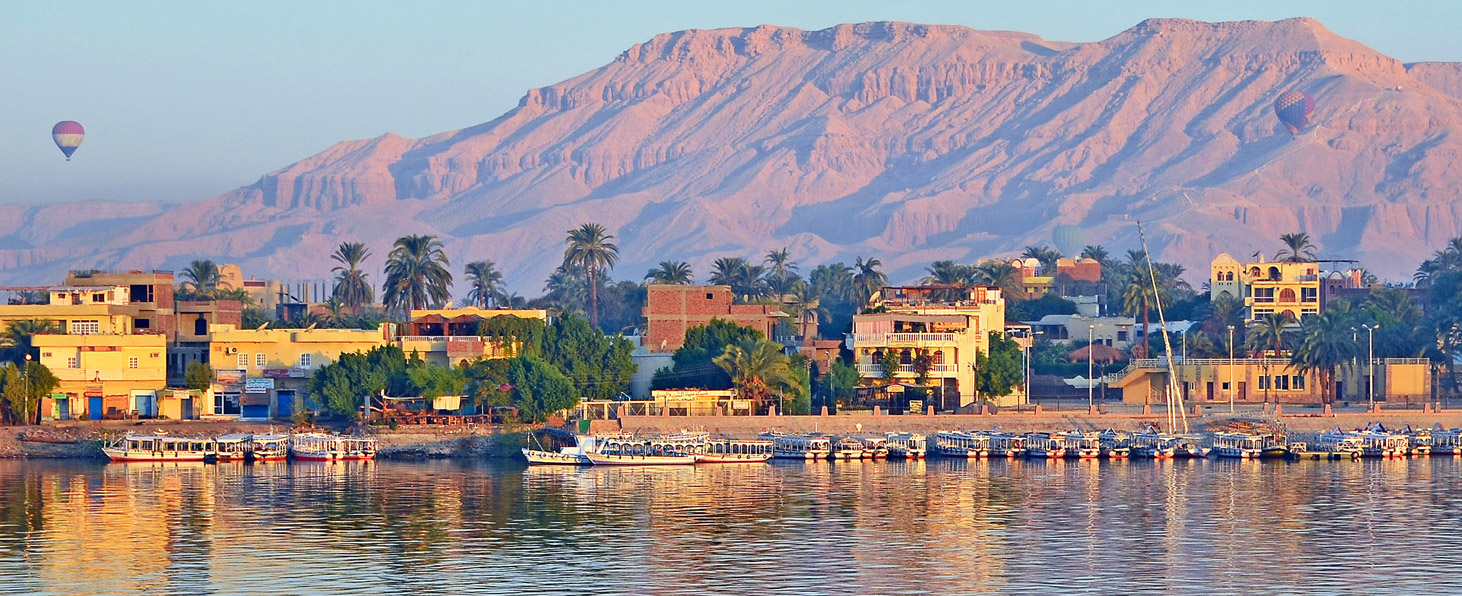
This 14-day luxury tour, is the perfect combination of luxury beach resort and a taste of what this fascinating country has to offer. Explore ancient Cairo, gaze at the Great Pyramids and sail in luxury down the lifeblood of Egypt on a five-day luxury Nile Cruise from Luxor to Aswan, Accommodation throughout the tour is at the very best hotels Egypt has to offer, including the Mena House Cairo at the foot of the pyramids, a small luxury Nile Cruise and top beach resort in Soma Bay.
For those on a smaller budget, we can downgrade the accommodation for a more affordable, but still good quality, holiday.
£1,900 p. p.
Luxor and Soma Bay
A simple 3-day extension tour to Luxor after or before your Red Sea beach stay in Soma Bay (or other Red Sea resort to include El Gouna, Hurghada, El Quseir or Marsa Alam)
£1,650 p. p.
Snorkel and scuba dive resort PLUS Luxor
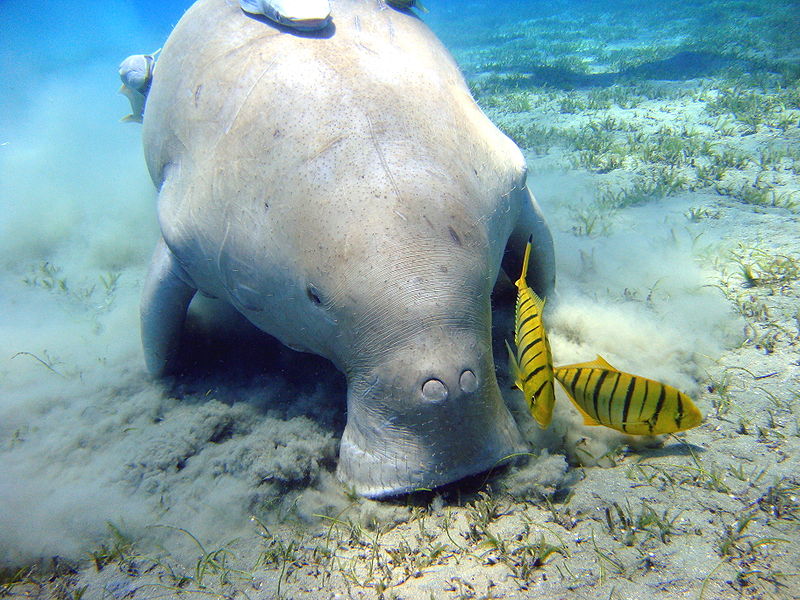
How about combining one of the best (if not THE best) house reefs in Egypt with a visit to the ancient Egyptian sites and temples at Luxor? Our itinerary allows you to experience world-class snorkelling or diving and take in some of the most incredible Egyptian history, making the most of this beautiful, fascinating country both above and below the water.