


 Nassau



Please wait
Indonesia Liveaboards
Indonesia Liveaboards
Indonesia Liveaboards
Indonesia Liveaboards
Indonesia Liveaboards
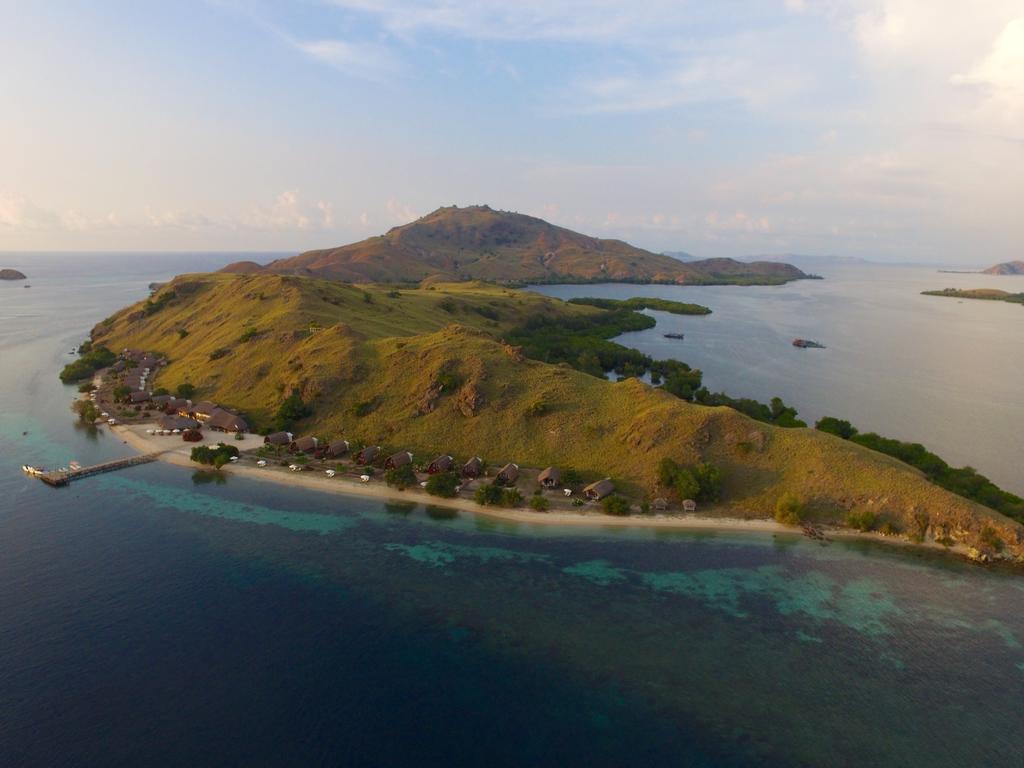
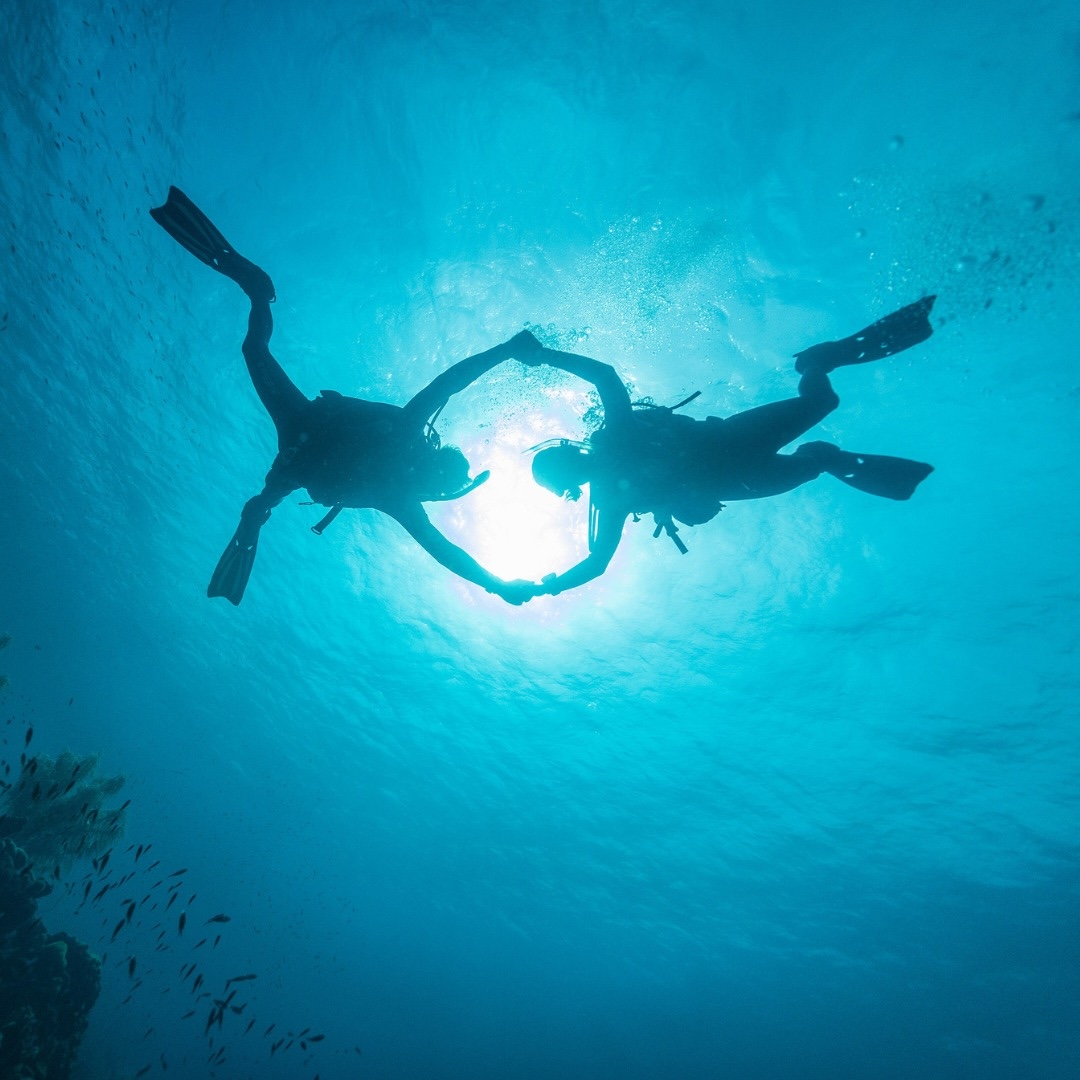
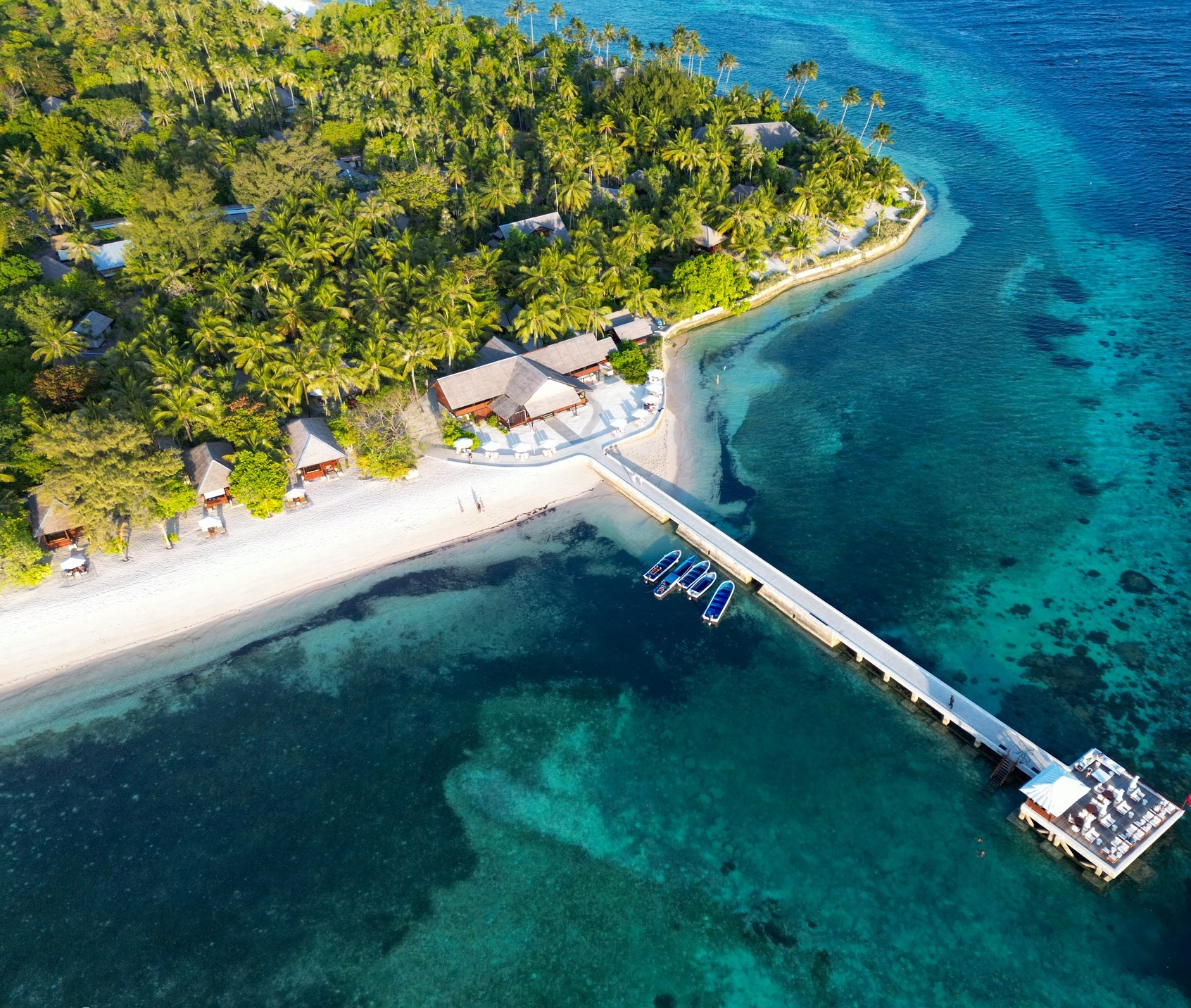
Most of the 17,000 islands that form Indonesia are uninhabited, and many remain unexplored. Indonesia is the largest archipelago in the world with at least 80,000 kilometres of coastline. Liveaboards are the ultimate choice for exploring this diverse and beautiful dive destination.
Indonesia is a remote paradise that offers an incredible and quite unique underwater environment. The water is a consistently warm temperature all year round - a perfect breeding ground for an incredible range of marine life.
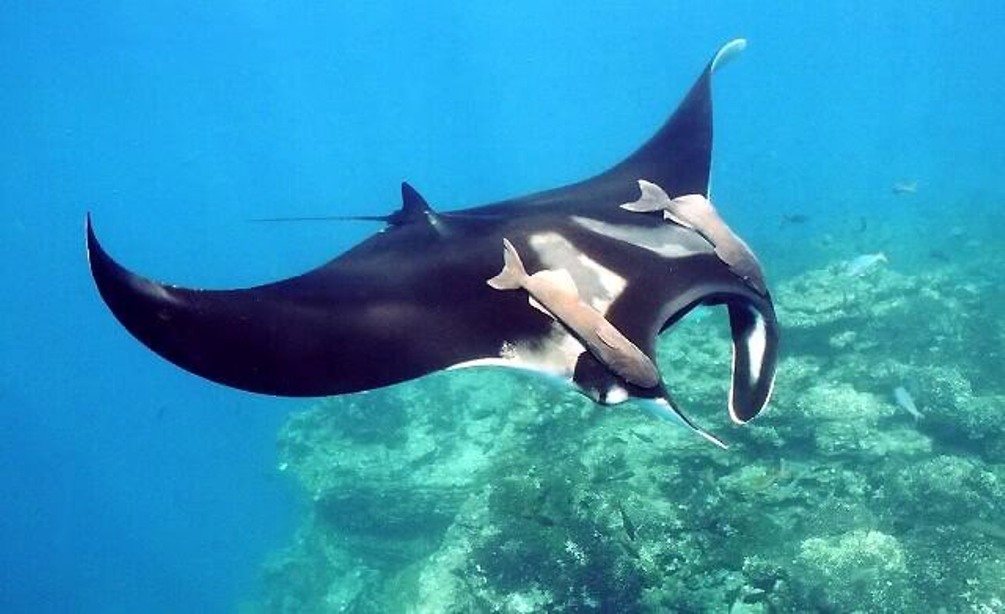
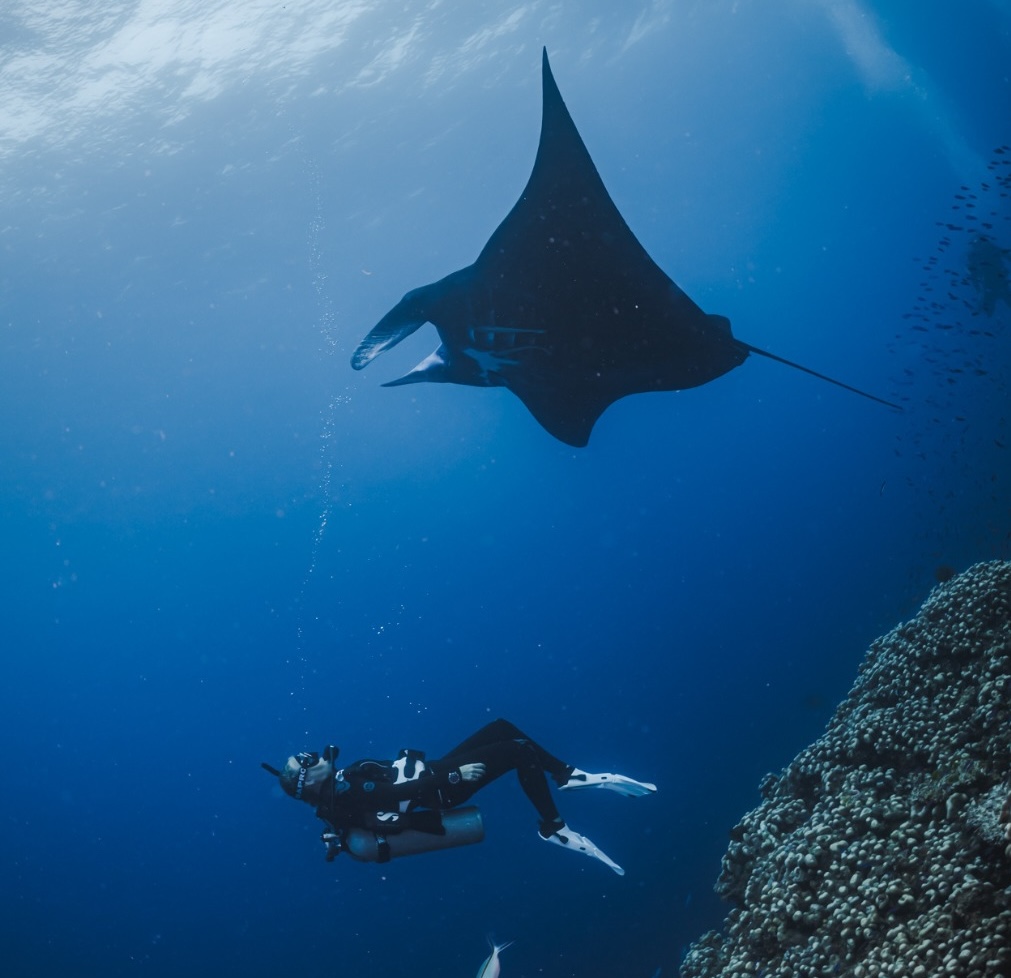
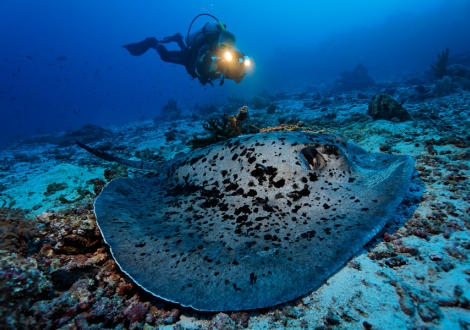
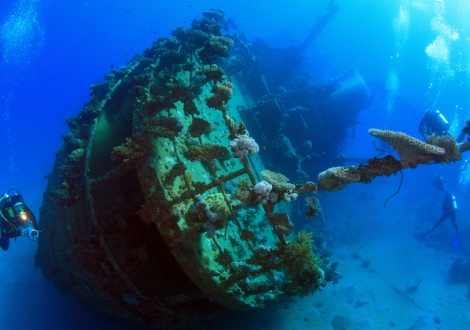
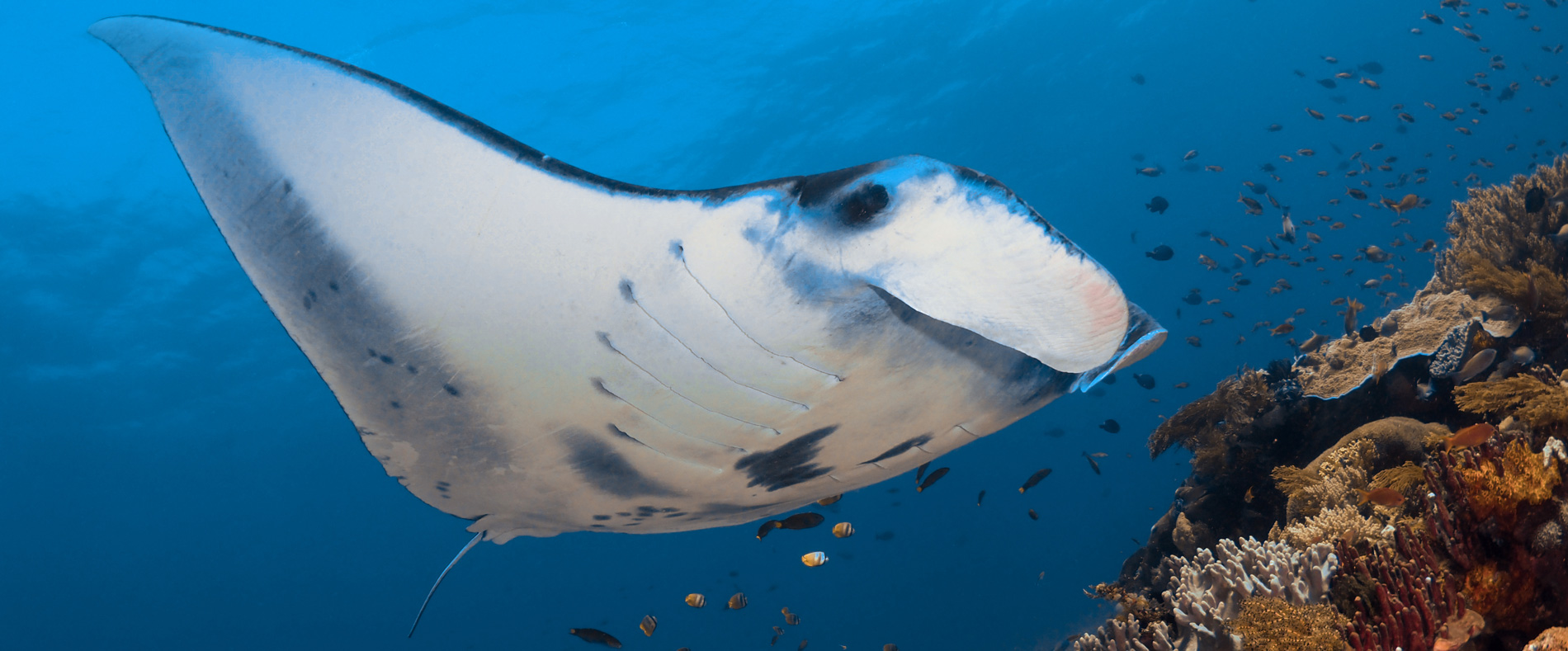
No two dives are ever the same. With over 3,000 fish species and 600 species of coral, steep walls, deep water trenches, underwater volcanic mountains and World War II wrecks you will never be disappointed with what you saw on your dive. For lovers of macro-life Indonesia boasts pygmy sea horses, mandarin fish and plenty of nudibranch. Diving Indonesia is truly excellent, one of our most exotic scuba diving destinations with some of the most luxurious liveaboards you will ever experience.
The Indonesian archipelago is made up of around 18,000 islands and distances between dive sites can require sea crossing to remote spots. What better way to do this than on an Indonesian liveaboard, diving as you go.
The added social aspect of an Indonesia liveaboard is also a popular side to trips like this. With the shared dining facilities and close-knit nature of the luxury cruise boats this ensures you have plenty to talk about with like-minded people sharing your passion for Indonesian diving.
Komodo National Park
The Komodo National Park lies east of Bali between the islands of Sumbawa and Flores. These islands, lying east to west, are separated by an 80 Km wide passage and the Sape Straight. Komodo Liveaboards sail these straights around the 29 islands of the Komodo National Park, including the three larger islands Komodo, Padar and Rinca. Huge tidal flows between the Pacific and Indian oceans cause upwelling’s of cold, nutrient rich water delivering a constant stream of food for the rich reefs and marine life found around the islands of the Komodo National Park.
Papua and Raja Ampat
It is possible to dive Raja Ampat year round and in terms of marine life and visibility there's no best time to dive Raja Ampat. But for liveaboard diving in Raja Ampat the topside conditions are equally important and between mid-June to mid-September the conditions can deteriorate so many liveaboards move to other location including to the Komodo National Park during these months
Other destinations included in the Indonesia Liveaboard Itineraries include: Alor; Ambon; Banda Sea; Cenderawasih Bay National Park; Islands east of Flores; Pulau Weh; Wakatobi National Park
For more detail about Indonesian diving and Indonesia's dive seasons visit our Indonesia destination page Indonesia Dive Holidays
Q: What about passport and visa requirements?
Passengers travelling to Indonesia and Timor-Leste should have minimum six months valid on their passport from the date of return to the UK, plus one full page free. Hotel receptions may be required to take a photocopy of your passport for registration purposes.
Q: What about vaccinations?
There are no compulsory vaccinations for travel, but we recommend protection against typhoid, tetanus, hepatitis A and polio. Vaccination requirements are subject to change.
Q: Is Indonesia a safe place to visit?
The vast majority of Indonesians are honest people with a strong sense of right and wrong. Tourism however does attract pickpockets and thieves the world over so to ensure an enjoyable stay, use some common sense. Be aware and don't leave valuables unattended.
Q: What clothing should I bring?
Indonesia is hot and humid so light, loose cotton clothing is most recommended. When exploring the night-life, tight dresses, shorts, and miniskirts are no problem. However, naked sunbathing or topless appearance in public places is considered offensive, especially when you are outside the main tourist areas. You must wear conservative clothing when in temples or mosques.
Read more
Indonesia
30 Jul, 2026 | 10nts
Bali - Komodo Expedition
£5,664
Only 2 space left
Sea Star Suite - Lower Deck
Total 6 cabins (maximum 2 people per cabin)
£5,664 p.p.
(Single occupancy £8,496)
Only 2 space left
Included
All diving with thanks, weightds & air
100% finacial protection via our Travel Trust Association membership
ATOL holiday protection when we incldue a flight with your holiday
Not Included
Government TAX Payable With Booking % 11
National Park Fee, Local Permit, Harbour Clearance Per Person Per Day Payable On Location USD 50
Service and Administration Fee Payable With Booking % 10
National Park / Clearance / Permit Fees - per person per day Payable On Location USD 50
Internation flights - we can add these to your trip
Hotel stays befor or after your trip - we have excpetional prices at the best hotel in the region if you want to extrend your trip
18 Aug, 2026 | 9nts
Komodo Expedition
£5,039
10 space available
Sea Star Suite - Lower Deck
Total 6 cabins (maximum 2 people per cabin)
£5,039 p.p.
(Single occupancy £7,559)
10 space available
Included
All diving with thanks, weightds & air
100% finacial protection via our Travel Trust Association membership
ATOL holiday protection when we incldue a flight with your holiday
Not Included
Government TAX Payable With Booking % 11
National Park Fee, Local Permit, Harbour Clearance Per Person Per Day Payable On Location USD 50
Service and Administration Fee Payable With Booking % 10
National Park / Clearance / Permit Fees - per person per day Payable On Location USD 50
Internation flights - we can add these to your trip
Hotel stays befor or after your trip - we have excpetional prices at the best hotel in the region if you want to extrend your trip
29 Aug, 2026 | 7nts
Komodo Expedition
£3,867
Only 4 space left
Sea Star Suite - Lower Deck
Total 6 cabins (maximum 2 people per cabin)
£3,867 p.p.
(Single occupancy £5,801)
Only 4 space left
Included
All diving with thanks, weightds & air
100% finacial protection via our Travel Trust Association membership
ATOL holiday protection when we incldue a flight with your holiday
Not Included
Government TAX Payable With Booking % 11
National Park Fee, Local Permit, Harbour Clearance Per Person Per Day Payable On Location USD 50
Service and Administration Fee Payable With Booking % 10
National Park / Clearance / Permit Fees - per person per day Payable On Location USD 50
Internation flights - we can add these to your trip
Hotel stays befor or after your trip - we have excpetional prices at the best hotel in the region if you want to extrend your trip
06 Sep, 2026 | 7nts
Komodo Expedition
£3,867
6 space available
Sea Star Suite - Lower Deck
Total 6 cabins (maximum 2 people per cabin)
£3,867 p.p.
(Single occupancy £5,801)
6 space available
Included
All diving with thanks, weightds & air
100% finacial protection via our Travel Trust Association membership
ATOL holiday protection when we incldue a flight with your holiday
Not Included
Government TAX Payable With Booking % 11
National Park Fee, Local Permit, Harbour Clearance Per Person Per Day Payable On Location USD 50
Service and Administration Fee Payable With Booking % 10
National Park / Clearance / Permit Fees - per person per day Payable On Location USD 50
Internation flights - we can add these to your trip
Hotel stays befor or after your trip - we have excpetional prices at the best hotel in the region if you want to extrend your trip
14 Sep, 2026 | 9nts
Komodo Expedition
£5,039
Only 2 space left
Sea Star Suite - Lower Deck
Total 6 cabins (maximum 2 people per cabin)
£5,039 p.p.
(Single occupancy £7,559)
Only 2 space left
Included
All diving with thanks, weightds & air
100% finacial protection via our Travel Trust Association membership
ATOL holiday protection when we incldue a flight with your holiday
Not Included
Government TAX Payable With Booking % 11
National Park Fee, Local Permit, Harbour Clearance Per Person Per Day Payable On Location USD 50
Service and Administration Fee Payable With Booking % 10
National Park / Clearance / Permit Fees - per person per day Payable On Location USD 50
Internation flights - we can add these to your trip
Hotel stays befor or after your trip - we have excpetional prices at the best hotel in the region if you want to extrend your trip
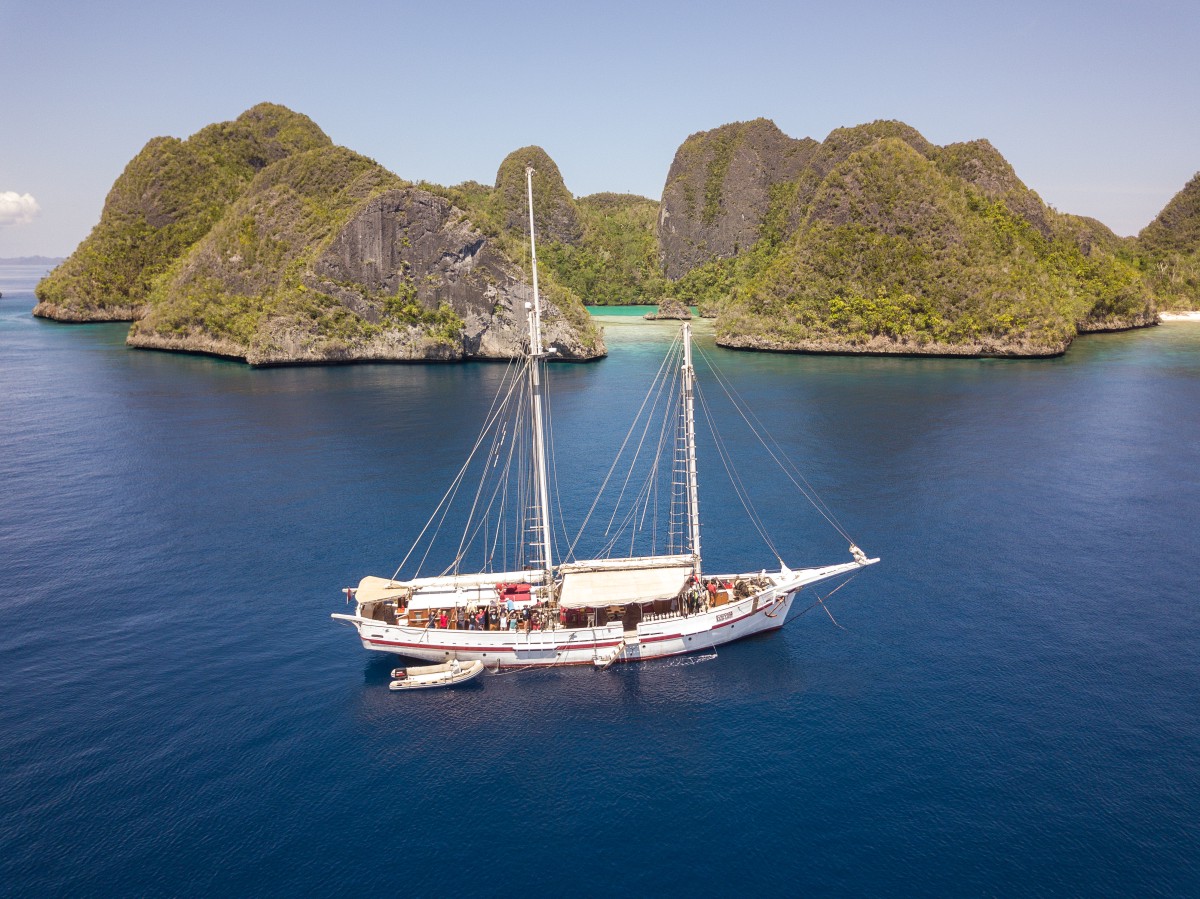
Indonesia

Budget option with very professional operation and high safety standards
When it's all about the diving
Just 12 divers in 6 cabins (3 double bed cabins, 3 twin bed cabins)
17 Jul, 2026 | 7nts
Komodo National Park
£2,453
7 space available
Double - Lower Deck
Total 3 cabins (maximum 2 people per cabin)
Lower deck double cabins are approx. 9sqm, with port holes, queen-sized double bed, individually controlled aircon, fan and mini-safe. Ensuite bathroom with shower, 2 cabin and 1 deck towel per guest.£2,453 p.p.
Only 4 space left
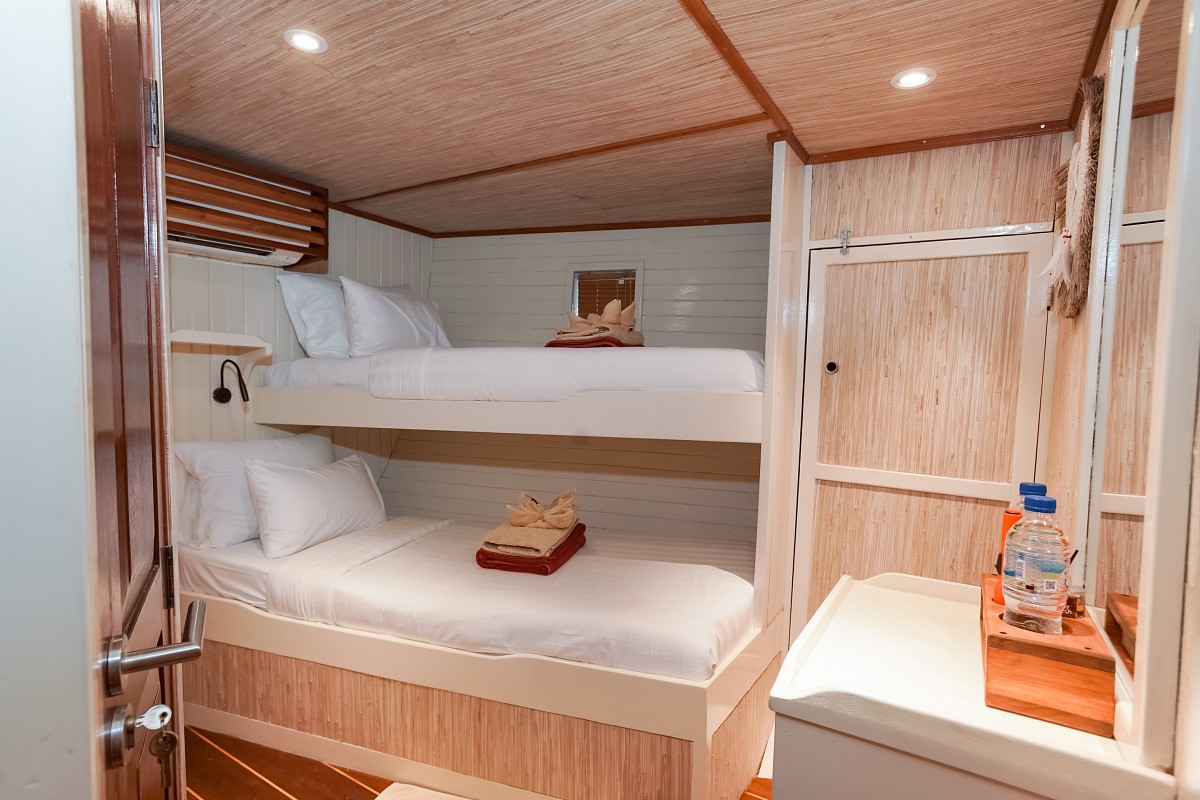
Twin - Lower Deck
Total 3 cabins (maximum 2 people per cabin)
Lower deck twin cabins are approx. 12sqm with port holes two single bunk-style beds, individually controlled air con, fan and mini-safe. Ensuite bathroom with shower, 2 cabin towels and one sun deck towel per guest.£2,453 p.p.
Only 3 space left
Included
All diving with thanks, weightds & air
100% finacial protection via our Travel Trust Association membership
ATOL holiday protection when we incldue a flight with your holiday
Not Included
Internation flights - we can add these to your trip
Hotel stays befor or after your trip - we have excpetional prices at the best hotel in the region if you want to extrend your trip
04 Aug, 2026 | 7nts
Komodo National Park
£2,453
Only 4 space left
Double - Lower Deck
Total 3 cabins (maximum 2 people per cabin)
Lower deck double cabins are approx. 9sqm, with port holes, queen-sized double bed, individually controlled aircon, fan and mini-safe. Ensuite bathroom with shower, 2 cabin and 1 deck towel per guest.£2,453 p.p.
Only 2 space left
Twin - Lower Deck
Total 3 cabins (maximum 2 people per cabin)
Lower deck twin cabins are approx. 12sqm with port holes two single bunk-style beds, individually controlled air con, fan and mini-safe. Ensuite bathroom with shower, 2 cabin towels and one sun deck towel per guest.£2,453 p.p.
Only 2 space left
Included
All diving with thanks, weightds & air
100% finacial protection via our Travel Trust Association membership
ATOL holiday protection when we incldue a flight with your holiday
Not Included
Internation flights - we can add these to your trip
Hotel stays befor or after your trip - we have excpetional prices at the best hotel in the region if you want to extrend your trip
08 Aug, 2026 | 7nts
Alor
£2,453
12 space available
Double - Lower Deck
Total 3 cabins (maximum 2 people per cabin)
Lower deck double cabins are approx. 9sqm, with port holes, queen-sized double bed, individually controlled aircon, fan and mini-safe. Ensuite bathroom with shower, 2 cabin and 1 deck towel per guest.£2,453 p.p.
6 space available
Twin - Lower Deck
Total 3 cabins (maximum 2 people per cabin)
Lower deck twin cabins are approx. 12sqm with port holes two single bunk-style beds, individually controlled air con, fan and mini-safe. Ensuite bathroom with shower, 2 cabin towels and one sun deck towel per guest.£2,453 p.p.
6 space available
Included
All diving with thanks, weightds & air
100% finacial protection via our Travel Trust Association membership
ATOL holiday protection when we incldue a flight with your holiday
Not Included
Internation flights - we can add these to your trip
Hotel stays befor or after your trip - we have excpetional prices at the best hotel in the region if you want to extrend your trip
13 Aug, 2026 | 7nts
Komodo National Park
£2,453
12 space available
Double - Lower Deck
Total 3 cabins (maximum 2 people per cabin)
Lower deck double cabins are approx. 9sqm, with port holes, queen-sized double bed, individually controlled aircon, fan and mini-safe. Ensuite bathroom with shower, 2 cabin and 1 deck towel per guest.£2,453 p.p.
6 space available
Twin - Lower Deck
Total 3 cabins (maximum 2 people per cabin)
Lower deck twin cabins are approx. 12sqm with port holes two single bunk-style beds, individually controlled air con, fan and mini-safe. Ensuite bathroom with shower, 2 cabin towels and one sun deck towel per guest.£2,453 p.p.
6 space available
Included
All diving with thanks, weightds & air
100% finacial protection via our Travel Trust Association membership
ATOL holiday protection when we incldue a flight with your holiday
Not Included
Internation flights - we can add these to your trip
Hotel stays befor or after your trip - we have excpetional prices at the best hotel in the region if you want to extrend your trip
17 Aug, 2026 | 7nts
Alor
£2,453
12 space available
Double - Lower Deck
Total 3 cabins (maximum 2 people per cabin)
Lower deck double cabins are approx. 9sqm, with port holes, queen-sized double bed, individually controlled aircon, fan and mini-safe. Ensuite bathroom with shower, 2 cabin and 1 deck towel per guest.£2,453 p.p.
6 space available
Twin - Lower Deck
Total 3 cabins (maximum 2 people per cabin)
Lower deck twin cabins are approx. 12sqm with port holes two single bunk-style beds, individually controlled air con, fan and mini-safe. Ensuite bathroom with shower, 2 cabin towels and one sun deck towel per guest.£2,453 p.p.
6 space available
Included
All diving with thanks, weightds & air
100% finacial protection via our Travel Trust Association membership
ATOL holiday protection when we incldue a flight with your holiday
Not Included
Internation flights - we can add these to your trip
Hotel stays befor or after your trip - we have excpetional prices at the best hotel in the region if you want to extrend your trip
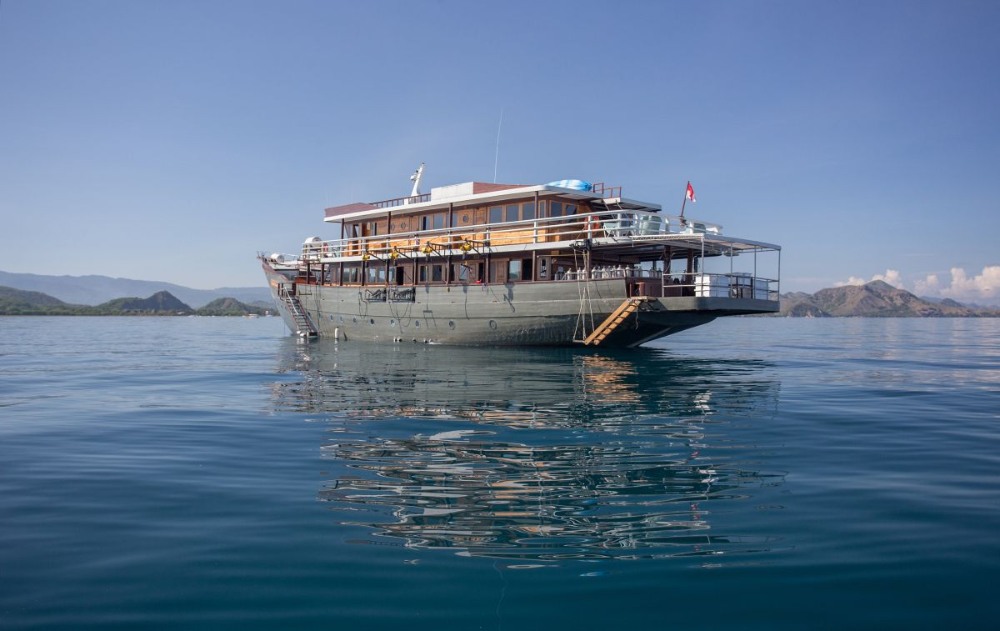
Indonesia
High quality, contemporary liveaboard for 24 guests
Spacious dining, relaxation areas and camera charging area
All port and park fees are included in our no-hidden extras pricing
08 Aug, 2026 | 9nts
Best of Raja Ampat
£4,000
10 space available
Twin - Lower Deck
Total 6 cabins (maximum 2 people per cabin)
Lower deck twin cabins are approx. 12sqm with port holes and individually controlled air con. 2 cabins have twin beds and 4 cabins have both a double and single bed. Cabins 7 & 8 are best suited to a couple or family share. All cabins have an ensuite bath£4,000 p.p.
8 space available
Double - Upper Deck
Total 2 cabins (maximum 2 people per cabin)
Upper deck double cabins are approx. 14sqm with windows, a double bed and individually controlled air con. Ensuite bathroom with shower. 2 cabin and 1 deck towel per guest.£4,385 p.p.
Only 2 space left
Included
All diving with thanks, weightds & air
100% finacial protection via our Travel Trust Association membership
ATOL holiday protection when we incldue a flight with your holiday
Not Included
Internation flights - we can add these to your trip
Hotel stays befor or after your trip - we have excpetional prices at the best hotel in the region if you want to extrend your trip
19 Aug, 2026 | 7nts
Best of Raja Ampat
£3,026
14 space available
Double - Lower Deck
Total 2 cabins (maximum 2 people per cabin)
Lower deck double cabins are approx. 9sqm, with port holes, a double bed and individually controlled air con. Ensuite bathroom with shower. 2 cabin and 1 deck towel per guest.£3,026 p.p.
Only 4 space left
Twin - Lower Deck
Total 6 cabins (maximum 2 people per cabin)
Lower deck twin cabins are approx. 12sqm with port holes and individually controlled air con. 2 cabins have twin beds and 4 cabins have both a double and single bed. Cabins 7 & 8 are best suited to a couple or family share. All cabins have an ensuite bath£3,111 p.p.
Only 2 space left
Twin - Upper Deck
Total 2 cabins (maximum 2 people per cabin)
Upper deck twin cabins are approx. 10sqm with windows, twin beds which can be converted to a double bed on request and individually controlled air con. Ensuite bathroom with shower. 2 cabin and 1 deck towel per guest.£3,410 p.p.
Only 4 space left
Double - Upper Deck
Total 2 cabins (maximum 2 people per cabin)
Upper deck double cabins are approx. 14sqm with windows, a double bed and individually controlled air con. Ensuite bathroom with shower. 2 cabin and 1 deck towel per guest.£3,581 p.p.
Only 4 space left
Included
All diving with thanks, weightds & air
100% finacial protection via our Travel Trust Association membership
ATOL holiday protection when we incldue a flight with your holiday
Not Included
Internation flights - we can add these to your trip
Hotel stays befor or after your trip - we have excpetional prices at the best hotel in the region if you want to extrend your trip
19 Aug, 2026 | 9nts
Best of Raja Ampat
£3,885
24 space available
Double - Lower Deck
Total 2 cabins (maximum 2 people per cabin)
Lower deck double cabins are approx. 9sqm, with port holes, a double bed and individually controlled air con. Ensuite bathroom with shower. 2 cabin and 1 deck towel per guest.£3,885 p.p.
Only 4 space left
Twin - Lower Deck
Total 6 cabins (maximum 2 people per cabin)
Lower deck twin cabins are approx. 12sqm with port holes and individually controlled air con. 2 cabins have twin beds and 4 cabins have both a double and single bed. Cabins 7 & 8 are best suited to a couple or family share. All cabins have an ensuite bath£4,000 p.p.
12 space available
Twin - Upper Deck
Total 2 cabins (maximum 2 people per cabin)
Upper deck twin cabins are approx. 10sqm with windows, twin beds which can be converted to a double bed on request and individually controlled air con. Ensuite bathroom with shower. 2 cabin and 1 deck towel per guest.£4,385 p.p.
Only 4 space left
Double - Upper Deck
Total 2 cabins (maximum 2 people per cabin)
Upper deck double cabins are approx. 14sqm with windows, a double bed and individually controlled air con. Ensuite bathroom with shower. 2 cabin and 1 deck towel per guest.£4,385 p.p.
Only 4 space left
Included
All diving with thanks, weightds & air
100% finacial protection via our Travel Trust Association membership
ATOL holiday protection when we incldue a flight with your holiday
Not Included
Internation flights - we can add these to your trip
Hotel stays befor or after your trip - we have excpetional prices at the best hotel in the region if you want to extrend your trip
30 Aug, 2026 | 7nts
Best of Raja Ampat
£3,026
23 space available
Double - Lower Deck
Total 2 cabins (maximum 2 people per cabin)
Lower deck double cabins are approx. 9sqm, with port holes, a double bed and individually controlled air con. Ensuite bathroom with shower. 2 cabin and 1 deck towel per guest.£3,026 p.p.
Only 4 space left
Twin - Lower Deck
Total 6 cabins (maximum 2 people per cabin)
Lower deck twin cabins are approx. 12sqm with port holes and individually controlled air con. 2 cabins have twin beds and 4 cabins have both a double and single bed. Cabins 7 & 8 are best suited to a couple or family share. All cabins have an ensuite bath£3,111 p.p.
12 space available
Twin - Upper Deck
Total 2 cabins (maximum 2 people per cabin)
Upper deck twin cabins are approx. 10sqm with windows, twin beds which can be converted to a double bed on request and individually controlled air con. Ensuite bathroom with shower. 2 cabin and 1 deck towel per guest.£3,410 p.p.
Only 4 space left
Double - Upper Deck
Total 2 cabins (maximum 2 people per cabin)
Upper deck double cabins are approx. 14sqm with windows, a double bed and individually controlled air con. Ensuite bathroom with shower. 2 cabin and 1 deck towel per guest.£3,581 p.p.
Only 3 space left
Included
All diving with thanks, weightds & air
100% finacial protection via our Travel Trust Association membership
ATOL holiday protection when we incldue a flight with your holiday
Not Included
Internation flights - we can add these to your trip
Hotel stays befor or after your trip - we have excpetional prices at the best hotel in the region if you want to extrend your trip
30 Aug, 2026 | 9nts
Best of Raja Ampat
£3,885
24 space available
Double - Lower Deck
Total 2 cabins (maximum 2 people per cabin)
Lower deck double cabins are approx. 9sqm, with port holes, a double bed and individually controlled air con. Ensuite bathroom with shower. 2 cabin and 1 deck towel per guest.£3,885 p.p.
Only 4 space left
Twin - Lower Deck
Total 6 cabins (maximum 2 people per cabin)
Lower deck twin cabins are approx. 12sqm with port holes and individually controlled air con. 2 cabins have twin beds and 4 cabins have both a double and single bed. Cabins 7 & 8 are best suited to a couple or family share. All cabins have an ensuite bath£4,000 p.p.
12 space available
Twin - Upper Deck
Total 2 cabins (maximum 2 people per cabin)
Upper deck twin cabins are approx. 10sqm with windows, twin beds which can be converted to a double bed on request and individually controlled air con. Ensuite bathroom with shower. 2 cabin and 1 deck towel per guest.£4,385 p.p.
Only 4 space left
Double - Upper Deck
Total 2 cabins (maximum 2 people per cabin)
Upper deck double cabins are approx. 14sqm with windows, a double bed and individually controlled air con. Ensuite bathroom with shower. 2 cabin and 1 deck towel per guest.£4,385 p.p.
Only 4 space left
Included
All diving with thanks, weightds & air
100% finacial protection via our Travel Trust Association membership
ATOL holiday protection when we incldue a flight with your holiday
Not Included
Internation flights - we can add these to your trip
Hotel stays befor or after your trip - we have excpetional prices at the best hotel in the region if you want to extrend your trip