




LIVEABOARD HOLIDAYS IN THE PHILIPPINES
WHY CHOOSE A LIVEABOARD OVER A LAND BASED TOUR?
Philippine Liveaboards remain the best way to experience as many of the mesmeric dive sites as possible, as with more time in the water and greater access to the otherwise unattainable areas – a liveaboard itinerary can offer you far greater value with more bespoke choice. With some of the world's most bio-diverse and life packed waters, the added dive time throughout the day that liveaboards afford allow you to at least get somewhere near appreciating the magical underwater wonderland of the Philippines.
The social aspect of a luxury cruise boat is another benefiting aspect of liveaboards, as the chance to meet new people who share your passion for Philippine diving can provide a lot more than just great conversation and diving hotspot tips...
DIVE SEASONS OF THE PHLIPPINES
Best Time Visit: March
Average Temperature: 13°C to 32°C
Average Water Temperature: 25°C to 28°C
Wet Season: May to October
Dry Season: November to April
Coldest Month: December to February
Warmest Month: May
Average Visibility: 10m to 40m
Skill Level: All Levels
The Philippines has a tropical maritime climate and is usually hot and humid throughout the year. Although diving in Philippine waters is fantastic all year round, many tourists choose to visit between the months of December and April, with the optimum conditions arriving in March. There are three main seasons characterising the world's second largest archipelago, and they are:
Hot & Dry Season– 'Tag-init / Tag-araw' (March to May)
Rainy Season– 'Tag-ulan' (June to November)
Cool & Dry Season – 'Tag-lamig' (December to February)
Sitting astride the Typhoon Belt, the Philippines experience torrential rain and thunderstorms from July to October. In a typical year, the Philippines experience somewhere near 20 typhoons – with around eight or nine large enough to cause landfall.
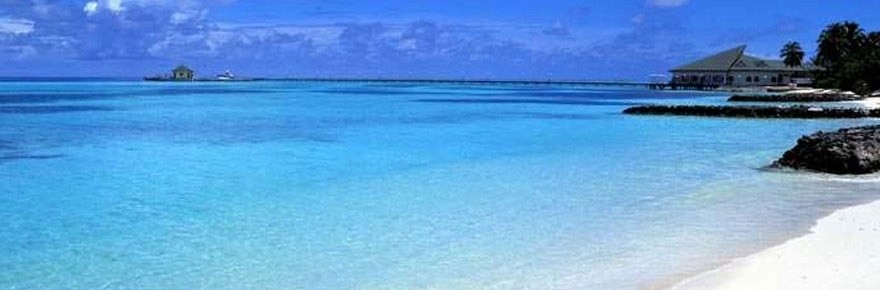
With a range of depths and fantastic visibility in the warm crystal waters of the Philippines – the diving is suited to divers of all skill levels, and really does have something for everyone.
MARINE LIFE OF THE PHILIPPINES
The marine life of the Philippines is nothing short of magnificent, and is considered by many to be one of the world's best dive spots for nature enthusiasts. Made up of 7,000 islands spanning a distance of over 185,000m², the waters surrounding the Philippines are considered one of the Top Ten Most Biologically Mega-Diverse countries in the world – with one of the highest biodiversity ratios per unit area found anywhere on the planet.
The world's twelfth most populous country is also surrounded by some of the most densely populated waters, and provides a home to one of the most diverse ecosystems found anywhere in South East Asia. As with Indonesia, many tell-tale signs in the marine life spawns have lead scientists to believe that these waters are where most of the Pacific's marine organisms evolved before colonising the planet's other oceans.
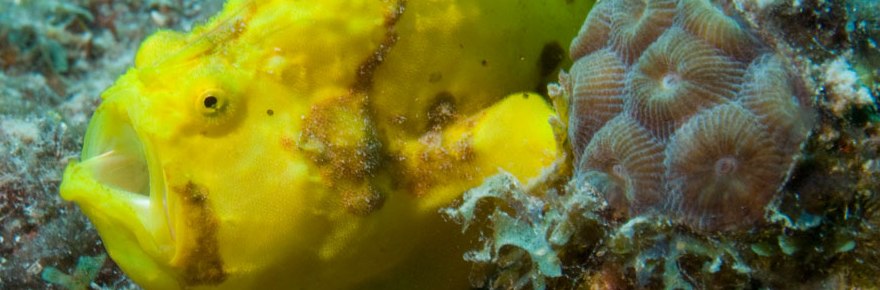
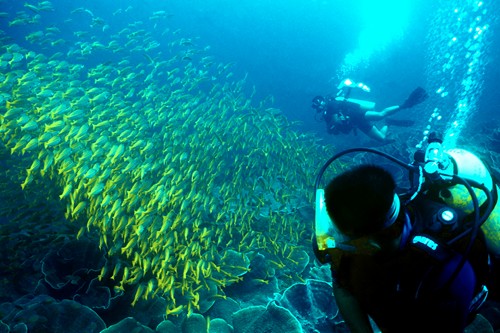
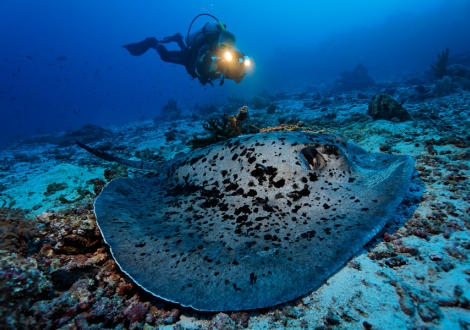
Philippine waters are home to over 500 species of hard and soft corals, well over 2,200 species of fish and some magnificently large pelagics found throughout the islands. Whilst on your diving liveaboard visiting some of the more remote sites, amongst the aforementioned - you could also expect to see six of the seven species of marine turtles, schooling barracuda, trevallies, tuna, giant frog fish, mandarin fish, napoleons, sardines, pegasus sea moth, pygmy seahorses and many thousand other reef species.
With all of these fascinating species found hiding away or roaming free, the glorious seascapes and the crystal clear waters; the Philippines is without question one of the world's most spectacular dive sites variation and the visuals such diversity provides.
BEST DIVE SPOTS IN THE PHILIPPINES
It is well documented that diving in the Philippines offers divers of all abilities some of the most diverse variation in underwater environments, bringing together an astonishing range of marine life with some fantastic seascapes to cater for a host of abilities. With steep walls, offshore pinnacles, critter hunting in coastal reefs, wreck diving in a sunken Japanese fleet and an almost holy grail of the world's largest fish - the Whale Shark; diving in the Philippines will leave you almost spoilt for choice.
Naturally, with such variation lurking in more than 850,000m² of waters – the sheer scale of what’s on offer makes choosing the best diving spots a daunting yet pleasant challenge. The most popular dive sites are:
Tubbataha:
The Tubbataha Reef National Marine Park is made up of two atolls rising in the middle of the Sulu Sea, and measures 385m² in size. Considered by UNESCO a World Heritage Listed Site, the importance of this structure in the entire marine ecosystem cannot be underestimated – as many scientists agree that this is a nursery of young marine life. It is generally believed that this fascinating atoll gave the Sulu-Sulawesi Triangle its young fish and coral larvae – providing one of the most important fishing grounds of the Philippines, stretching as far South as Malaysia and Indonesia.
The convergence of currents here brings in a full and consistent stream of nutrients along with fresh waters – which are perfect for a developing healthy reef and its later inhabitants. In near isolation, the monopoly held by this fantastic atoll ensures plenty of pelagic visitors amongst many of the other inhabitants.
The well protected area has been manned 24/7 by guards and radars since 1998, a law which was enforced to preserve the life-giving haven by the president at the time. The only access is by liveaboard, as the nearest point is almost 100m away. During March to early June, the seas and skies are a little clearer and allow divers to visit. However, the strong winds and swells throughout the rest of the year naturally deter unauthorised visitors.
ApoReef & Coron:
Apo Reef and Coron are the perfect place to stop on your liveaboard diving holiday, as the mixture of fantastic marine life along with the incredible shipwrecks prove one of the most impressive and popular of trips to the Philippines. Apo Reef is under the Municipal Jurisdiction of Sablayan Occidental Mindoro and remains an isolated haven, as it continues to plentifully fill the Sulu and South of China's seas.
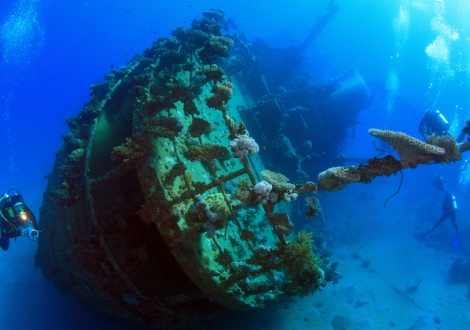
Japanese Imperial Navy wrecks from WWII litter the seabed of the Calamianes Islands group, and make for some truly fascinating diving. Of the 24 camouflaged wrecks that sank back in 1994, 12 are diveable - and prove some of the finest underwater marvels found anywhere around the Philippines.
Anilao:
Diving in Anilao is popular amongst the enthusiasts due to the vibrant reefs and the diversity in marine life sustained. With some of the most intricately built ecosystems and fascinating macro-critters found around the area, the diving here is as exciting as it is enthralling.
The drift dives around Puerto Galero are quite spectacular, as the strong currents that flush so much of the water onto the South China Sea are packed full of life and magnificent underwater visuals. Situated on the Northern peninsula of Mindoro, the area is separated from Luzon by this Verde Island Passage. As this passage is so deep, the water is very clear and visibility is excellent – especially with the variety of dive sites along the Puerto Galero.
Southern Leyte:
Southern Leyte is a province of the Philippines, located in the Eastern Visayas region and comes extremely highly recommended as a top dive site for large fish and pelagics. In the peak of the season, you have a near certain chance of snorkeling with whale sharks. Whale sharks are something of a local resident to Limasawa, Napantaw, Padre Burgos and Liloan – and make some quite spectacular company on your liveaboard trip to these waters.
Starting with Panaon Island, the Napantaw Marine Sanctuary has walls and slopes that are packed with both hard and soft corals. Covered with great gorgonians and black corals, the incredible waters are densely packed with thousands of fish species – including the wonderful giant frogfish. The protected area has been guarded for more than a decade now, and has continued to flourish as an untouched haven for marine life in astonishing proportions!
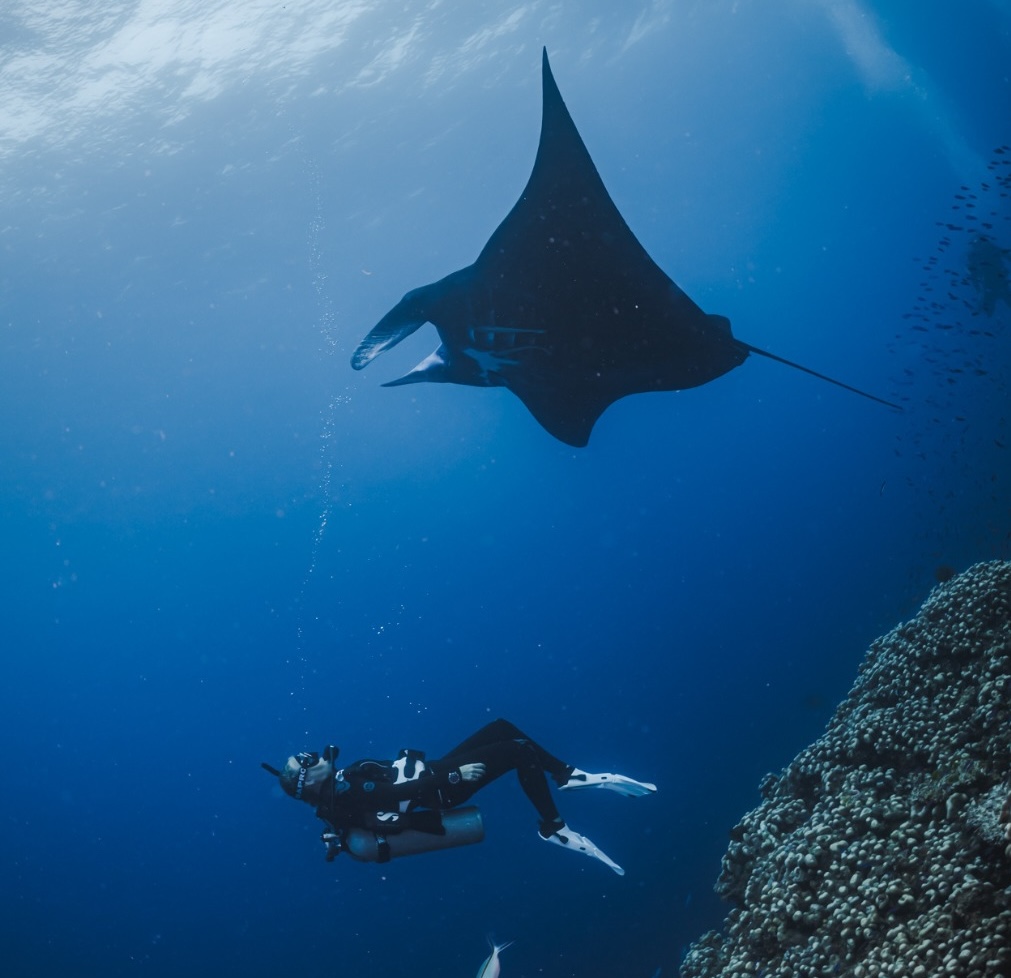
LimasawaIslandis another of the top sites here, allowing you to get up close and personal with more whale sharks, manta rays and many other fascinating creatures. Part of the largest sanctuary in Southern Leyte, the stunning area has some awesomely steep walls and is blessed with many fantastic marine life visitors.
Padre Burgos Jetty is another of the most popular dive spots, as the maze of piers is covered in soft corals that house many types of seahorses, juvenile lion-fish, frogfish, pink cowries and snake eels; making the spectacular underwater seascape one of the hottest night dive locations in the Philippines.
TOP TIPS FOR DIVING IN THE PHILIPPINES
Visa
The majority of foreign visitors are given a 21 day Visa, but this can be extended. It is advised you seek further clarification – as this can be different across the different islands.
Health Precautions & Jabs
Travel insurance is vital, as most hospitals in the Philippines are private.
Whilst there are no major health risks, it is advised you get your Hepatitis, Typhoid and Malaria jabs prior to leaving.
Philippine Currency
The currency of the Philippines is Peso, however most major credit cards are accepted. There may be up to a 10% charge for using your card here though.
Duty Free
The maximum duty free allowance is 400 cigarettes, 250g of tobacco and two 1 litre bottles of alcohol.
Clothing
Bring light and casual clothing like cotton or linned - but remember that you must cover up in public places. It is also advised to cover up in the evenings to avoid mosquito bites.
Sun Protection
Sun protection is absolutely essential.
Water
It is recommended that you drink bottled water.
Tipping Filipinos
Tipping is customary -10% of the bill is normal.
FREQUENTLY ASKED QUESTIONS REGARDING THE PHILIPPIN
What to Bring for Diving?


World wide scuba diving
holidays to the Red sea
and beyound
The UK leading Windsurf
company since
2001
The UK leading Kitesurf
company since
2001