



 Nassau



Please wait
PALAU DIVING HOLIDAYS
PALAU DIVING HOLIDAYS
PALAU DIVING HOLIDAYS
Why you'll love diving in Palau!
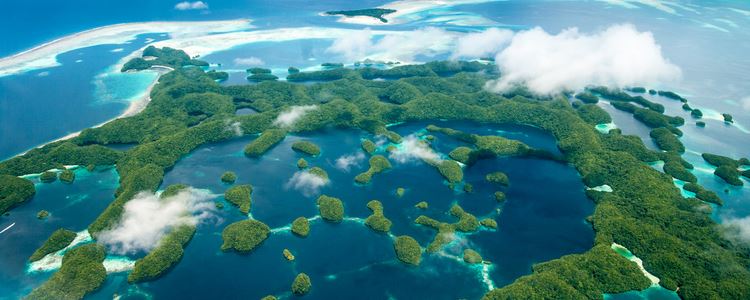
Palau is one of the most extraordinary diving spots on the planet. Far to the southwest of Micronesia the Republic of Belau (the traditional name) consists of an archipelago of 343 islands, spread north to south over 100 miles form the atoll of Kayangel to the island of Angaur plus five tiny islands, known as the southwest islands. Palau's profuse, unspoiled reefs offer a wealth of marine life, coral formations and wrecks.
As the enthusiast's choice of scuba diving locations, Palau has so much more to offer than you could possibly witness even with a whole lifetime of dives. But with a liveaboard excursion as opposed to a land based tour, you at least have a much higher chance of seeing the colossal creatures and gargantuan giants that divers dream of, along with the awe-inspiringly diverse volumes of fish species occupying the crystal clear waters.
Another great aspect of Palau liveaboards is the added social benefit of sharing dining facilities and the stories of your day's diving with the other like-minded divers. With around 4-5 dives throughout each day aboard the boat, you can get up close and personal with the world's most impressive and diverse ecosystem – and then enjoy comparing the tales and photos of your findings... all in the most visually spectacular of land and seascapes that Palau supplies in abundance.
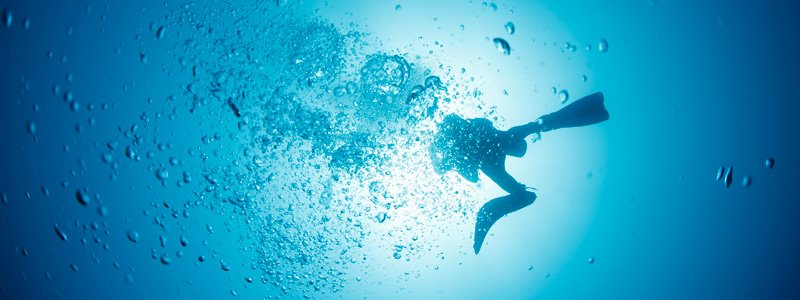
Dives begin in knee deep water and plunge straight down to depths of 1000 feet and more. Blue holes, huge caverns and an immense variety of rare and exotic marine species are easily accessible in clear water with visibility exceeding 200 feet. Large numbers of pelagics: sharks; turtles; dolphins and many species of migratory fish gather here at a unique crossroads of three of the world's major ocean currents.
Land locked marine lakes, accessible from the sea through tunnels beneath the island's steep shorelines, are home to rare jelly fish, anemones and soft corals. Palau's famed "Rock Islands" are a collection of rounded, foliage-covered isles which seem to float above the surface of the water. A boat trip through them will reveal a number of magnificent white sand beach hideaways perfect for a secluded picnic or adventurous overnight stay. Below the water's surface, divers and snorkellers are treated to a diverse technicolor paradise of fabulous drop-offs, blue holes, breathtaking reefs, crystal caves and World War II wrecks.
Follow the link for liveaboard diving in Palau.
The untouched wilderness of Palau provides an incredible set of diving conditions all year round, with temperatures never dropping below 18°C. Lying just North of the equator and North East of The Coral Triangle, the archipelago's consistent tropical climate changes little throughout the year.
Palau enjoys a pleasantly warm climate all year round with an annual average temperature of 26 - 32°C for the air and 28-30°C for the water. The heaviest rainfall takes place between July and October. Average Visibility is between 25-40 meters.
The odd typhoons can hit Palau during the months from July to November – and can cause damage in the shape of floods and erosion. However, this is quite rare - and of course not every typhoon is powerful enough to affect the diving conditions.
The marine life swimming the waters surrounding Palau is second to none, and quite rightly occupies the top spot of favourite destinations for many diving and nature enthusiasts. Inhabiting over 1200 species of fish and more than 700 types of coral, the mixture of underwater scenery and the tropical climate attracts an incredibly diverse range of creatures that can't be found anywhere else – and in brobdingnagian proportions.
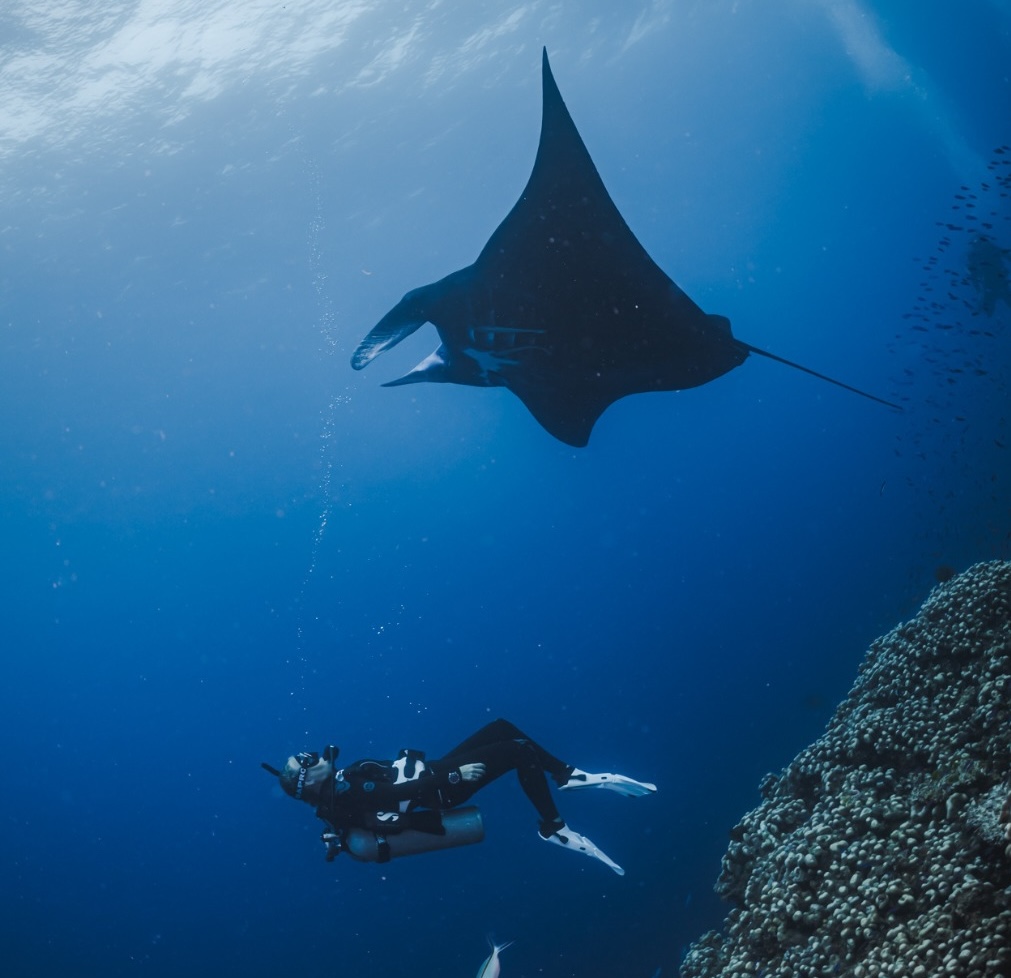
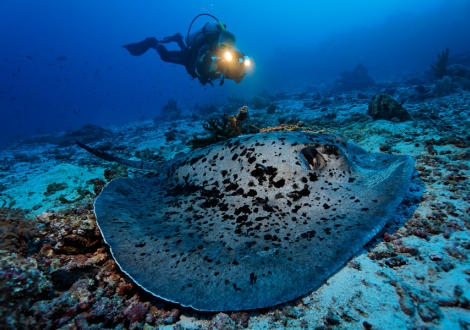
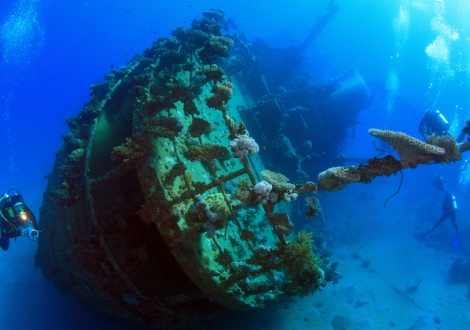
The WWII wreckages littered around the crystal clear water's seabed not only provide a visual treat for divers, but also supply a near perfect habitat for many species of sharks, rays and other giant Pelagics – and when combined with the caves & strong currents found around the Palau Archipelago, the haunting roam of the colossal creatures in and around their historically built ecosystem is one of the main reasons that Palau is considered one of the world's very best dive sites.
Not just home to some of the ocean's gargantuan giants however, Palauan waters are some of the most bio-diverse in the entire world, and with a liveaboard diving holiday you could realistically expect to come face to face with at least a few of the incredible entourage, including: barracudas, tuna fish, bump head parrotfish, wrasse, snappers, titan triggerfish, gobies, lionfish, leaf fish, crocodile fish, nudibranchs, flatworms, anemones, clownfish, triggerfish, moorish idols and butterflyfish... to name but a few!
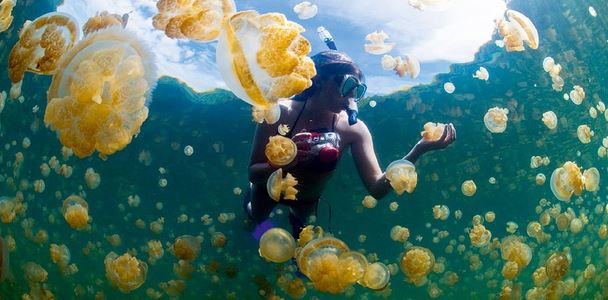
As if that cast of creatures wasn't enough to occupy every one of your plentiful and unforgettable liveaboard dives in Palau, there are also a whole host of turtles, dolphins, octopus, clams and many other wonderful marine-life marvels to be seen dotted around the tropical haven – along with the quite unique Jellyfish Lake; where you can snorkel with millions of harmless pink jellyfish.
Paulau’s history reaches back centuries to a once highly family-orientated, matrilineal society: during the Stone Age women were in charge of finances and the men had to ask permission to spend! More recently, periods of European colonialism led to Japanese occupation during the Second World War followed by American rule. Independence was finally granted in 1994. The result is a cosmopolitan atmosphere created by the melting pot of cultures. The biggest influence is probably Chinese but with residents coming from Japan, the Philippines, America and Europe.
The best dive spots of Palau are difficult to identify, as with such vast choice – 'the best' is obviously subjective. However, depending on what it is you'd most like to see on your unforgettable liveaboard trip in Palau, we can help you identify the best spots for what you'd like to witness – and recommend other dive sites we think you'd like.
For instance, the steep walls encapsulating the outer reefs are the ideal spot for seeing the large Pelagics, as the 'crossroads' where currents from the world's three major oceans meet around here – and attract everything from Pelagics through to dolphins, turtles and many other wonderfully rare creatures. The tops of these walls are also covered in beautiful hard corals, inhabiting a fantastic range of macro-life – which all make for truly great viewing when diving this area.
With visibility often exceeding 200ft, the breathtaking dives begin in knee deep water before sharply dropping to a daunting depth of 1000ft – opening the door to a world of exotic marine species hiding in the caverns and wartime machinery adorning the white sands of the sea bed.
Our Top Dive Spots are: (not in order)
Blue Corner:
The best known and most highly rated dive site in Micronesia - where two oceanic currents meet and attract a variety of sharks in large numbers. Here, you must hook into the reef and float face to face with a wall of sharks before your very eyes.
Big Drop-Off:
A wall dive that begins as shallow as 2ft at low tide and drops to a depth of 600ft in an instant.
Ulong Channel:
A stunning channel with an entrance surrounded by walls covered in beautiful coral gardens.
German Channel:
This man-made channel through the South West side of the barrier reef is home to two fantastic diving areas.
Ngedebus Coral Gardens:
One of the best collections of hard corals found anywhere in the Pacific.
Jellyfish Lake:
Here, you can swim with millions of harmless pink jellyfish. This is however a snorkelling expedition, and not a diving experience.
Blue Holes:
A series of four large holes in the top of the reef that converge to form a gigantic underwater chamber.
Peleliu:
An Island bordered by magnificent walls that make for some seriously intriguing dives.
Chandelier Caves:
Consisting of three chambers, the beautiful stalactites that formed by water dripping down through the rock island above - a true underwater spectacle.
Wreck of the Iro Maru:
A marine-life packed merchant ship stretching 145ft that was sunk during WWII by American bombers.
Described as one of the Seven Underwater Wonders of the World, the planet's fourteenth smallest nation was voted 'Top Dive Destination' by Scuba Diving Magazine readers just a few years ago, and with the breathtaking underwater marvels littered and scattered amongst the world's most bio-diverse ecosystem -
Lying far to the South West of Micronesia, the Republic of Belau (traditional name) consists of an archipelago of 343 islands – and nearly a whole military base of WWII machinery lying dormant on the white sands of the seabed, providing an unorthodox yet quite magnificent home to creatures from all swims of life. Naturally, the sight of such alien objects in the water is enough to get the bubbles flowing and the mask all steamed up – but when combined with the jaw-dropping array of elusive species naturally roaming the artillery and corals of Palau, it's safe to say a liveaboard in the tropical paradise comes fully loaded with Planet Dive's stamp of approval.
Palau is one of the most extraordinary diving spots on the planet. Far to the southwest of Micronesia the Republic of Belau (the traditional name) consists of an archipelago of 343 islands, spread north to south over 100 miles form the atoll of Kayangel to the island of Angaur plus five tiny islands, known as the southwest islands. Palau's profuse, unspoiled reefs offer a wealth of marine life, coral formations and wrecks. Dives begin in knee deep water and plunge straight down to depths of 1000 feet and more. Blue holes, huge caverns and an immense variety of rare and exotic marine species are easily accessible in clear water with visibility exceeding 200 feet. Vast numbers, not found anywhere else in the world, of large pelagic predators, sharks, turtles, dolphins and many species of migratory fish gather here at a unique crossroads of three of the world's major ocean currents. Land locked marine lakes, accessible from the sea through tunnels beneath the island's steep shorelines, are home to rare jelly fish, anemones and soft corals. Palau's famed "Rock Islands" are a collection of rounded, foliage-covered isles which seem to float above the surface of the water. A boat trip through them will reveal a number of magnificent white sand beach hideaways perfect for a secluded picnic or adventurous overnight stay. Below the water's surface, divers and snorkelers are treated to a diverse technicolor paradise of fabulous drop-offs, blue holes , breathtaking reefs, crystal caves and World War II wrecks.
Where is Palau?
Palau is located North of the equator in the Western Pacific Ocean, close to Indonesia and Micronesia – which it was formerly part of.
Does the vessel visit Peleliu regularly?
Liveaboards don't usually go to Peleliu if the guests are staying less than five days because there are enough dive sites in the area - but if the majority of guests on any particular trip request a visit - it can easily be arranged.
On arrival in Koror, do guests get transferred immediately to the vessel from the airport, or do they need to wait until later in the day when the transfer boat leaves?
We can transfer the guests as soon as they get off the plane, provided they have arrived by 4pm. If guests arrive after dark, an overnight stay in a hotel will be required because we cannot use the chase boat through the islands - this is generally considered too dangerous and requires special permission from the coastguards.
What are the taxes or fees not included in the package?
Taxes not included in the package are:
- US $35.00pp (£23): The Koror State Diving Permit
- US $20.00pp (£13): The Peleliu Tax, charged at
- US $20.00pp (£13): Airport Departure Tax
- US $10.00pp (£7): Cabin Tax of (Per Night)
- Gear Rentals, Courses, Alcoholic Beverages and Souvenir Items on board.
Do I need a Visa and Passport to visit Palau?
Proof of citizenship (passport or birth certificate) by US Citizens’ ID is required. Visas are not required. Non-US citizens must have a valid passport. All visitors must have return travel arrangements or approval by the Chief of Immigration for an extended stay.
What are the weather conditions like, and when is the best time to dive in Palau?
Palau enjoys a pleasantly warm climate all year round. With an annual mean temperature of 82F (27°C) the rain showers start in on the month of June, but the rainy season isn't officially in flow until September, lasting through November.
Although rain falls during these months, most of the dive sites are sheltered by the island and there is still much sunshine. Then, December through February the trade winds start to blow. Typhoons are rare as Palau is located outside the typhoon zone.
Are tender boats used in Palau Liveaboards?
We have one 10-meter chase boat.
What wetsuit should I use when diving in Palau?
A 3mm thickness of wetsuit is fine to wear all year round - but during the months of December, January and February it is essential you bring a vest and an overlapping wetsuit.