




 Nassau



Egypt diving holidays, with the Egypt experts.
The Nile, the temples, pyramids, the valley of the Kings and the Queens, these are the sites that truly put Egypt on the tourist map.
Why you'll love diving in Egypt!
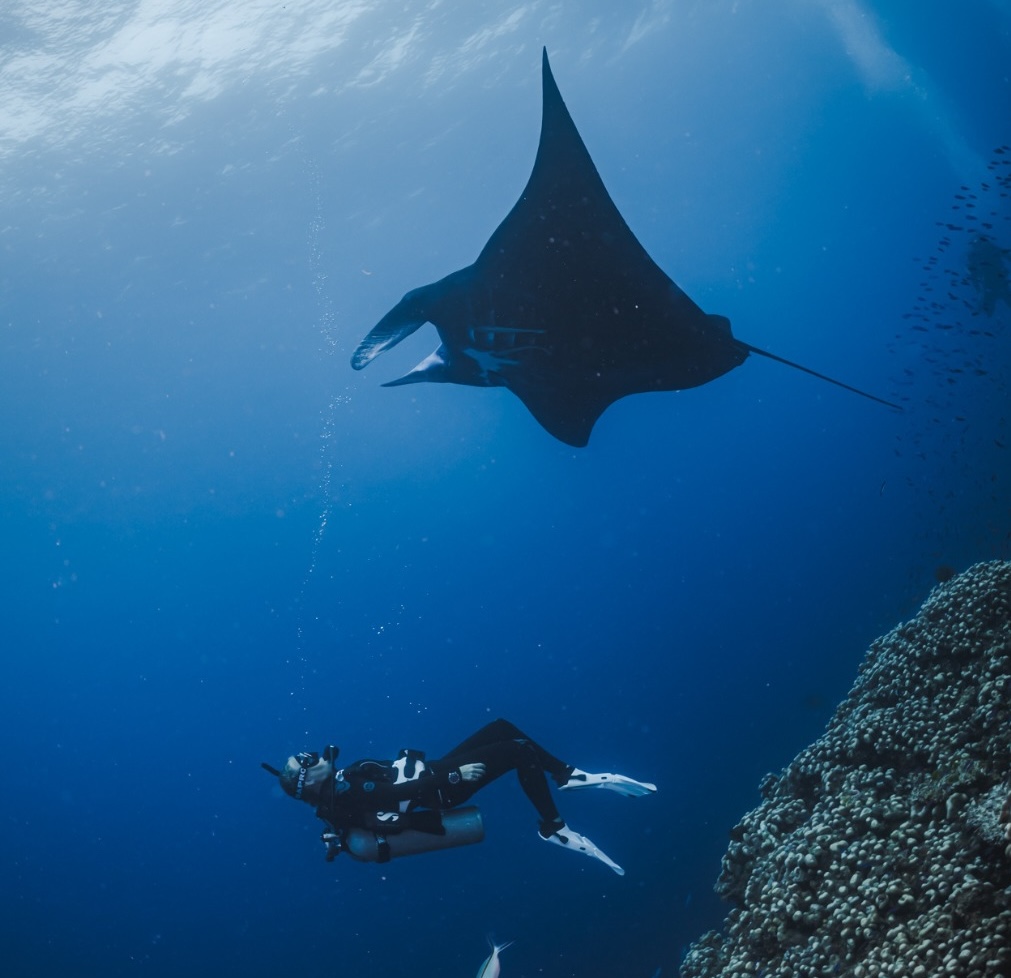
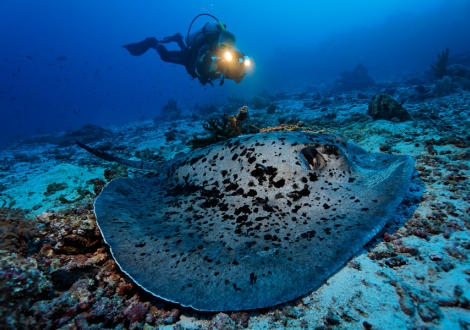
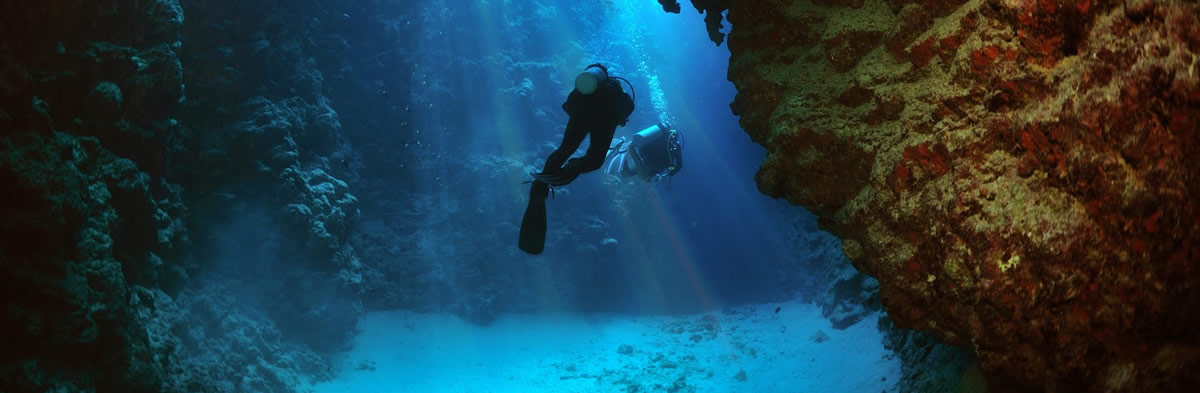
The Nile, the temples, pyramids, the valley of the Kings and the Queens, these are the sites that truly put Egypt on the tourist map. But Egypt is also one of the world very best scuba diving locations, and certainly the closest to Europe for world class diving. The dive sites stretch from the world war wrecks in the North Gulf Of Suez, down to the dramatic deep wall dives dives of the southern Marine Parks, all the way to the Sudan border. Strong vibrant colours, outstanding visibility, corals teaming with life, and large pelagic visiting from in the deep, and all part of a diving holiday to the Egyptian Red Sea.
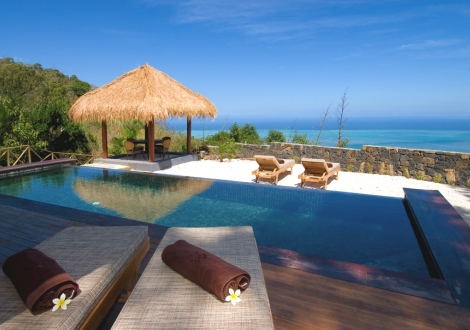
Planet Dive Holidays have almost 20 years experience arranging luxury diving holidays and tours to Egypt, this is a destination we understand intimately. We work with a select few hand picked luxury properties and luxury liveaboards (very hard to find in Egypt!!), as far away as possible from the package holiday tourist areas. We offer a bespoke tailor made tour service, combining the very best scuba diving and snorkelling locations, with an immersive cultural experience to the interior of the country. We offer a truly unique service, with unrivalled experience and knowledge.
At the southern tip of Egypt’s Sinai Peninsula stark desert landscape contrasts beautifully with the crystal waters of the Red Sea. Dahab is still a sleepy little resort with some big name dive sites like the canyon and the Blue Hole. Set against a backdrop of rugged mountain peaks is the stylish resort of Sharm El Sheikh, with Na’ama Bay at its heart. Diving the South Sinai encompasses the dive sites of the straits of Tiran, Sharm’s ‘Local Dives’ and Ras Mohammed. Day boats can access some sites in the Straits of Gubal, including the Thistlegorm, but this area is largely the preserve of the Red Sea liveaboard.
Relatively undeveloped the Southern Egyptian coastline is gradually opening up to travelling divers. The Marine Park Islands diving can only be accessed by Red Sea liveaboard. The Marsa Alam Marina, Port Ghalib, and the new hotels between Marsa Alam and Hamata are opening up the south to land based divers. From here you can access many of the other Southern Egyptian Red Sea sites, including Elphinstone and Fury Shoal.
Egypt’s climate is easy to summarize: hot and dry, with the exception of the winter months of December, January and February, which can be quite cold in the north. The best time to visit Egypt depends on where you want to go. Generally speaking, winter (December to February) is the tourist high season and summer (June to August) is the low season in all parts of the country except on the coasts, and to a lesser degree in Cairo. Hotel prices reflect this.
Best Time to Visit: All Year Round
Average Temperature: 26°C to 32°C
Experience Level: Beginner to Advanced
Current Strength: Gentle to Strong
Average Visibility: 20m to >40m
Water Temperature: 22°C to 30°C
Number of Dive Sites: 200+
The Egyptian Red Sea is fantastic for diving expeditions all year round, with a warm tropical climate and a stunning range of dive sites that can be enjoyed at any time. The Northern Wrecks and Reefs make for spectacular viewing at any point in the year, as do the Southern Marine Parks and the Deep South; however, for those that enjoy the quieter seasons of the reef – it is advised to travel outside of the months April to October, as this peak time is considered the busiest and most active for The Deep South. There are many less southern Red Sea itineraries running in the winter months (November – January) because slightly rougher seas make the long journeys between dive sites a bit rockier, but they are still possible.
Egypt’s best dive sites are found all across the vast openness of the waters, and vary greatly between locations. From the photogenic wrecks littering the sea bed to the mesmeric corals of the Deep South – the diversity in dives for experienced divers is just perfect for the additional time in the water afforded by a liveaboard.
Northern Red Sea
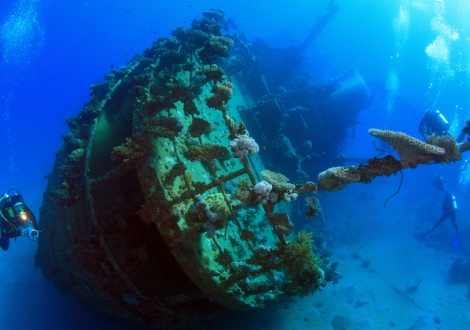
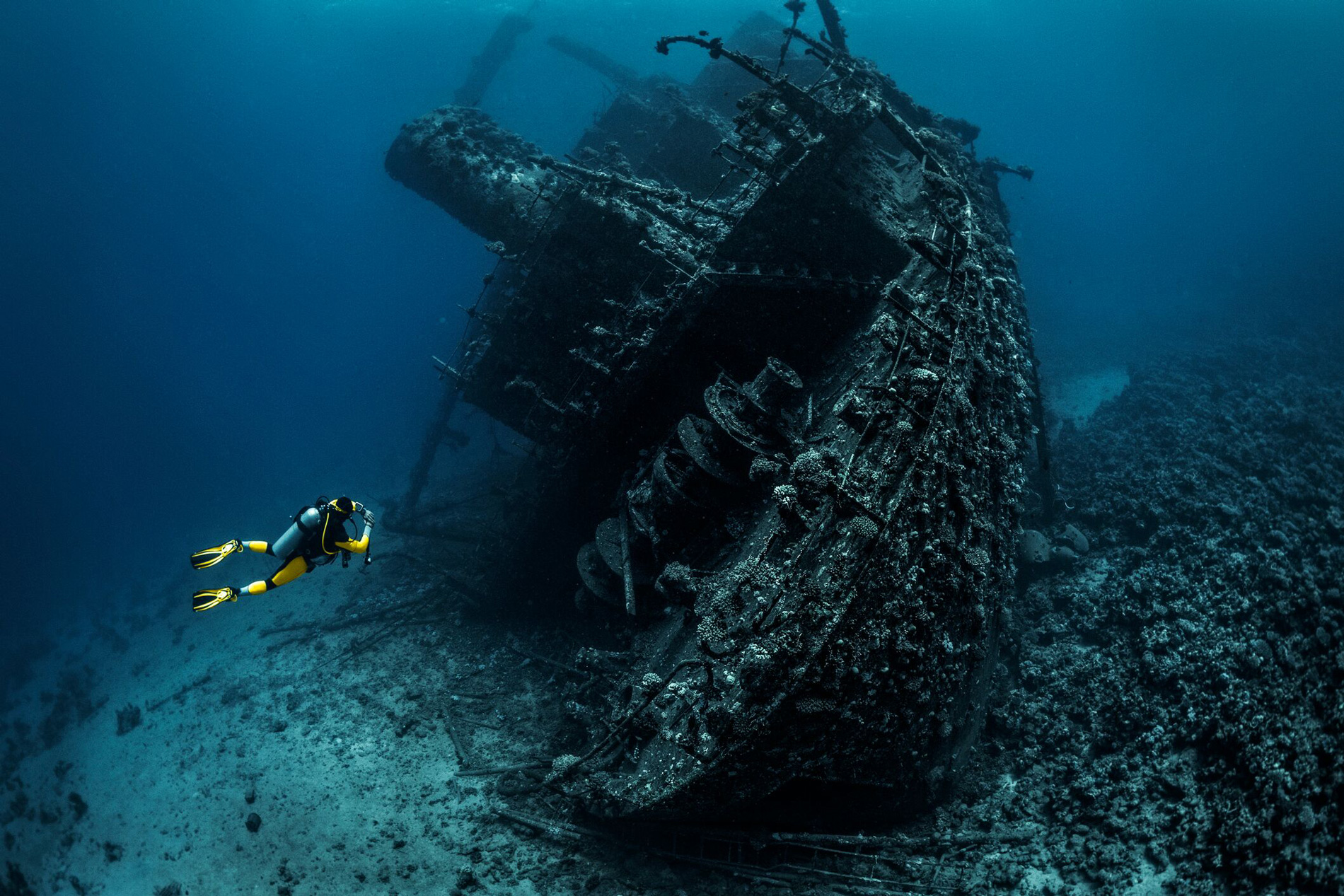
The Northern Wrecks and Reefs are the most popular dives in the Red Sea and are perfect for the less experienced divers. With crystal clear waters and 16 major wrecks scattered across the sea bed, the dives here are close to the shore and never get old, as even the most experienced divers are happy to spend the entire holiday exploring this shipping lane ‘scrap yard’ alone.
Wrecks include: The Agia Varvara, The Aida, The Carnatic, SS Dacca, The Chrisoula K, The Dunraven, The Giannis D, The Kimon M, The Kingston, The Maidan, The Million Hope, The Numidia, The Rosalie Moller, The Salem Express, The Thistlegorm, The Ulysses.
The Ras Mohammed is another of the best known dive sites of the Northern Red Sea, as the food transporting currents of the area that separates the Gulf of Aqaba from the Gulf of Suez are a hot spot for reef fish and many pelagic species. The steep walls and drop offs found here are also very good for tech training and for guided technical dives.
The Southern Marine Parks are ideal for the more experienced divers, as the remoteness of dive sites and the lack of crowds found with the Northern Wrecks and Reefs allow advanced divers to experience some challenging conditions way offshore. With a mandatory 50 logged dives required to dive here, these waters provide more difficult conditions, but supply more unusual marine life and more pelgaics.
Most Famous Southern Marine Park Dive Sites
The Brothers are two small isolated reefs nestled around five minutes apart from one another 33 miles North East of El Quseir, and around 200km South of Ras Mohammed. The cone shaped reefs were likely formed by volcanic eruptions and are barely visible from above the sea (except from the British built lighthouse standing 32m out of the water). The diving at The Brothers is considered some of the area’s finest, and something of a delicacy amongst diving enthusiasts. Brothers Islands are sometimes included in northern itineraries, so please enquire.
Big Brother is one of the most magical dive sites in the Red Sea, with a fascinating combination of underwater visuals and the marine life inhabitants. With a fringing reef and a sheer drop to a quite daunting depth, the challenge of diving Big Brother Island is more than worth the effort as the reward is great. Deep wrecks adorn the sea bed and throngs of tuna and barracuda swim the waters, along with great schools of scalloped hammerhead, oceanic white tip, silky and reef tip sharks.
Little Brother is reputed one of the most scenic of dive sites found anywhere in the Red Sea. With a drop off of over 40m, the picturesque walls are covered in sponges, anemones, soft corals and black coral – with huge gorgonian fan corals stretching more than 3m in height. In the shallower part of the reef, caves, holes and overhangs make for some truly spectacular explorations, whilst the marine life occupying the surrounding waters also ensure the dive sites here are is of the highest quality. With little shelter, strong winds and very strong currents access to Little Brother can be limited and relies heavily on the weather conditions.
Daedalus is the furthest offshore-reef dive site in the Red Sea and consists of a massive triangular reef with a vertical drop-off to rival that of the magnificent Brothers mentioned above. With giant hard coral structures adorning the walls, large schools of hammerheads are attracted in their numbers and circulate around the Northern point. The strong currents support a garden of anemones, whose damsel residents swim between tentacles in quite spectacular fashion. Unfortunately night dives are not permitted here.
Elphinstone is considered a hot spot of marine life and the ideal place to see larger pelagic fish, including some quite wonderful shark encounters. Whilst diving Elphinstone, you could expect to see white tip, hammerhead, grey reef and thresher sharks in amongst many species of fish, such as: barracuda, angel fish, zebra angel fish, emperor fish, anthias, suez fusiliers and giant morays.
The Deep South
This region offers some fascinating diving conditions for more experienced divers, as the waters South of Marsa Alam up to the Sudan border are a challenge worth diving for. With a glorious underwater offering, the isolated remoteness of these dives are some of the most spectacular in the Red Sea and come highly recommended with Planet Dive’s stamp of approval.
Two of the best dive sites in The Deep South are:
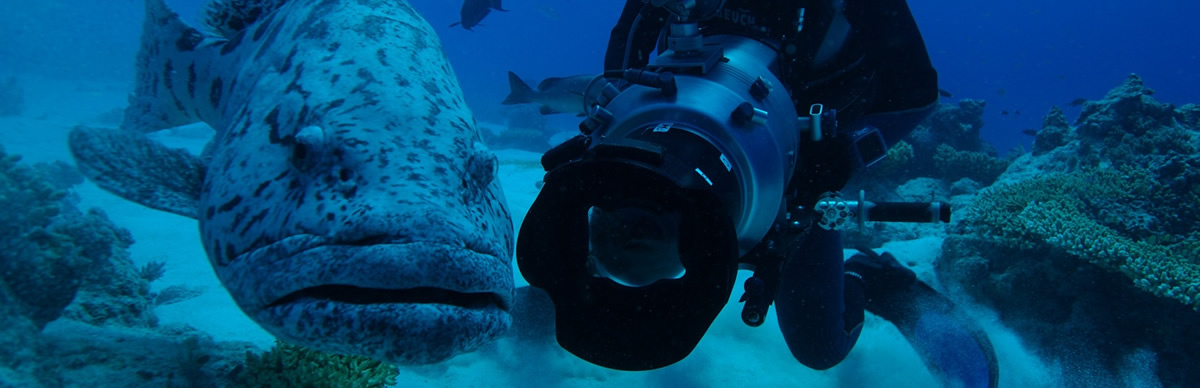
Zabargad is the largest of Egypt’s four Southern Marine Parks lies just 7km North of Rocky Island in The Deep South. With exquisite turquoise bays, sandy beaches and a fantastic range of wall dives, shallow dives and even a wreck dive. The visually spectacular Zabargad attracts many tropical groupers which you can get up close and personal with for some memorable photo opportunities. With dozens of coral towers amongst the awesome seascape scenery, you can expect to see octopus, crustaceans and nudibranches in the coral grottos alone and much more in the surrounding waters.
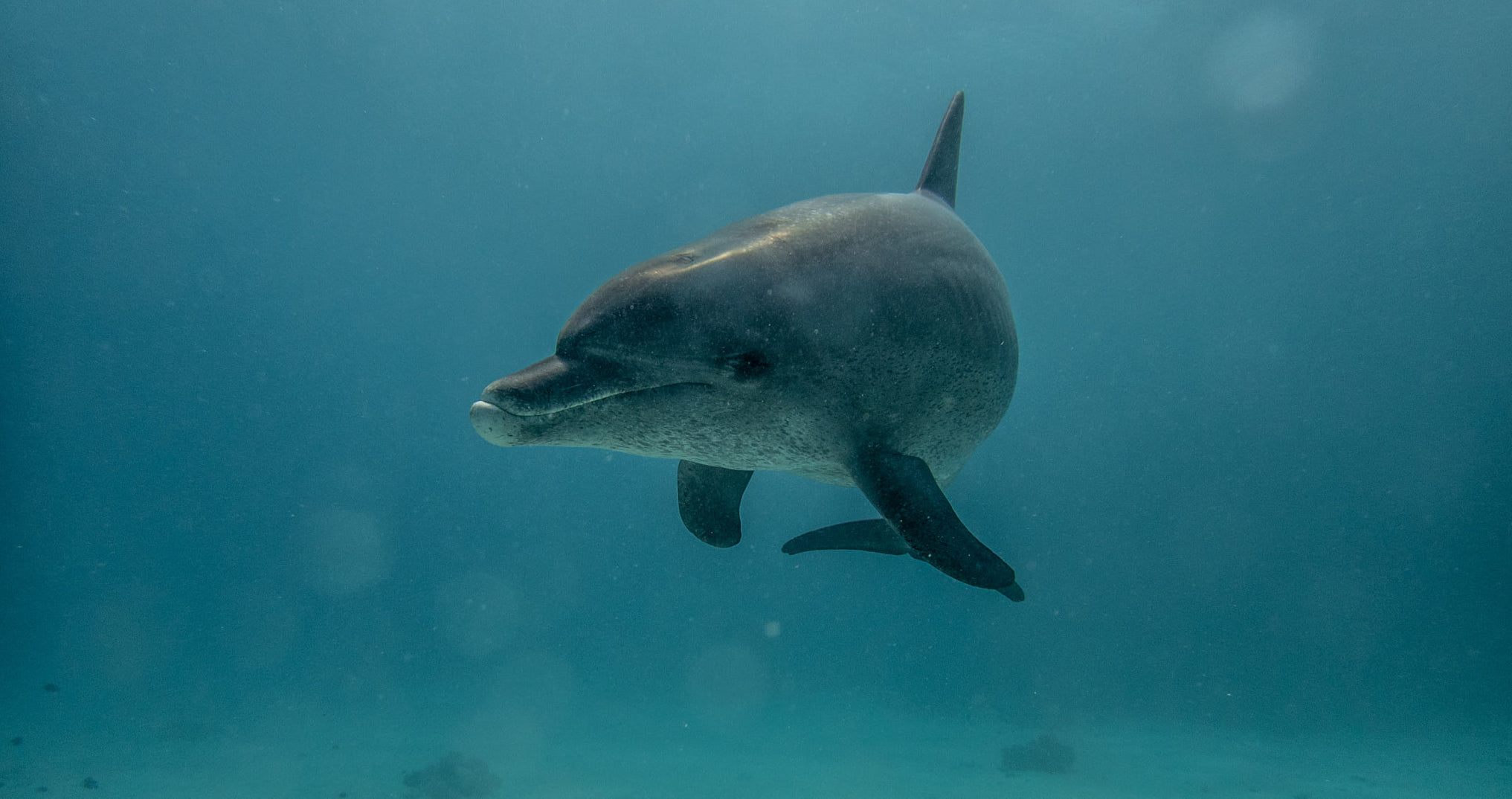
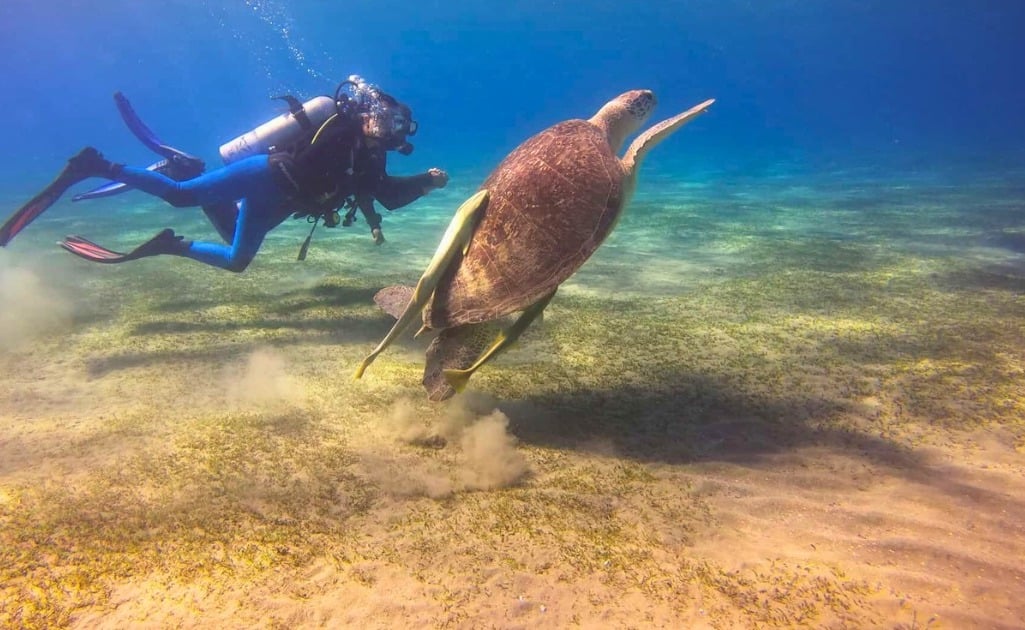
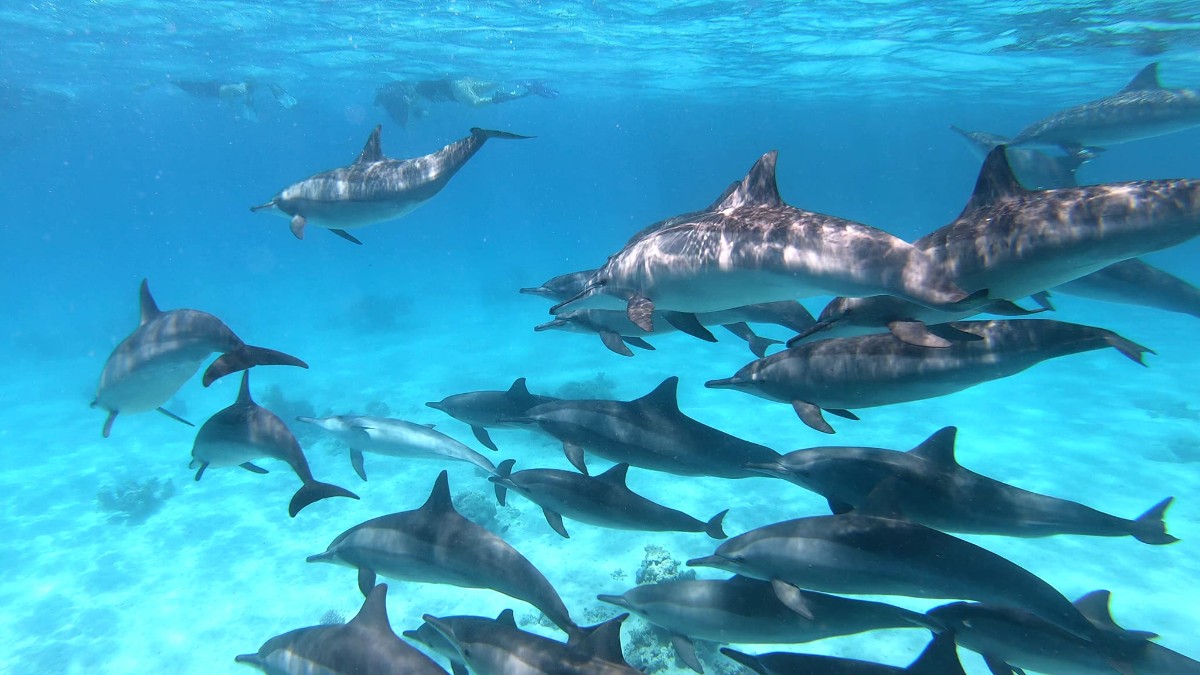
Fury Shoal is another of the best Deep South dive spots, as the glorious range of caves, passages and canyons attract many groupers and morays making for some memorable dives for experienced divers. The marine life readily on display at Fury Shoal includes; hammerhead sharks, silvertip sharks, white tip reef sharks, grey reef sharks, bumphead parrotfish, turtles, spinner dolphins, bottlenose dolphins, surgeonfish, jacks, tuna, reef fish, colourful coral and sponges…to name but a few!
As one of the world’s most popular dive sites, Egypt is naturally blessed with some quite astonishing marine life in every nook & cranny of the vast and historic waters. The famous dive sites are well documented for hosting an endless amount of magnificent creatures - from the macro-life hiding away in the corals and wrecks to the large pelagics feasting on the rich currents; the submarine activities of the Red Sea comes in a more than plentiful supply.
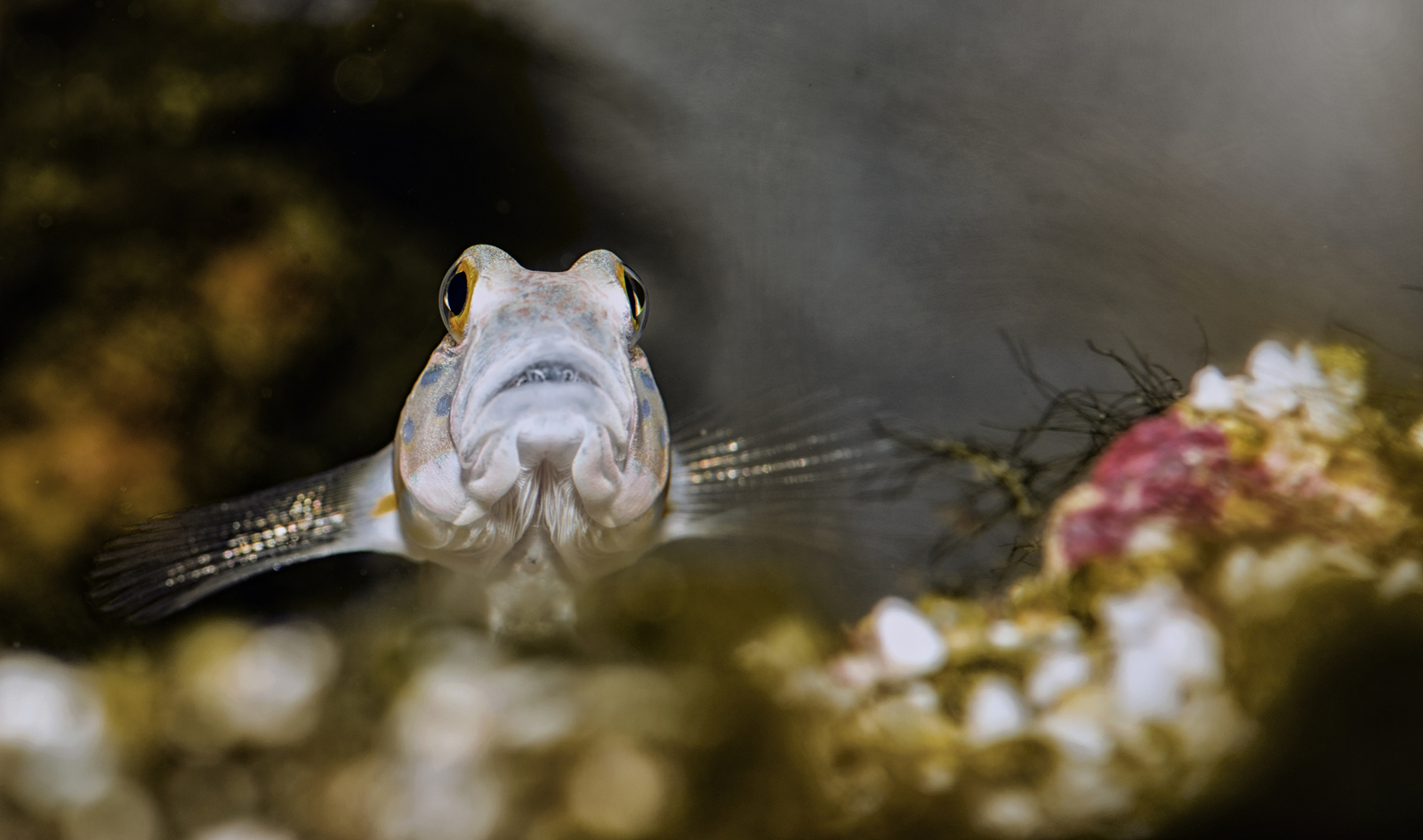
The impressive spectrum of invertebrates found throughout all three areas, but particularly around the Southern Marine Parks and The Deep South are of particular interest to the more experienced divers, as the range of hard and soft corals play host to many spectacular submarine species. Attracting large schools of hammerhead, the corals also inhabit and support many types of crustacean, sponge and hundreds of fish species. With crystal clear waters, a littering of glorious wrecks and miles of picturesque sea bed - the marine life occupying the Egyptian Red Sea is a photographer’s dream that provides an endless range of opportunities, and comes highly recommended as one of the world’s must see diving locations.
Egypt diving holidays: your questions answered
When is the best time for an Egypt diving holiday?
The Red Sea is dived all year. Water temperature runs from 22 degrees in winter to 30 in summer, and visibility is 20 metres to well over 40. From November to March the coastal resorts sit at a comfortable 22 to 28 degrees, which is the winter sun window; in August the south peaks around 40 degrees, though low humidity and a constant sea breeze take the edge off. In the north, December to February can feel cold out of the water, so pack a 5 to 7 mm suit for winter and a 3 mm shortie for midsummer. For the southern Marine Parks by liveaboard, April to October is the peak and the busiest period, and fewer southern itineraries run from November to January because the long crossings get rougher.
Where is the best diving in Egypt?
It depends on what you want. The northern wrecks and reefs are the most popular dives in the Red Sea: Sharm El Sheikh for Ras Mohammed, the Strait of Tiran and the Thistlegorm, and El Gouna for the Abu Nuhas ship graveyard on quieter sites than Hurghada or Sharm. Soma Bay, 30 minutes from Hurghada airport, is easy diving with a house reef, plus Panorama Reef and Abu Kafan for the walls. Marsa Alam and El Quseir in the south give you Elphinstone, Fury Shoal and miles of fringing reef you can dive from the beach, and the best land-based diving in the Red Sea. The Brothers, Daedalus, Zabargad and the Deep South towards the Sudan border are reached only by liveaboard.
Is Egypt good for beginner divers?
Yes, and it is the closest place to Europe for diving of this quality. The northern reefs and wrecks suit less experienced divers, Sharm has sheltered coral gardens with calm conditions and a heated pool for courses, El Gouna has calm local reefs and heated pools for the first dives, and Soma Bay is easy diving with a house reef. The Southern Marine Parks ask for 50 logged dives, so build up to those.
Liveaboard or resort?
A resort gives you a hotel, a house reef and day boats: from Sharm the day boats reach Tiran, Ras Mohammed and some of the Gubal wrecks including the Thistlegorm, and from Marsa Alam you reach Elphinstone and Fury Shoal. A liveaboard is the only way to dive the Marine Park islands and the Deep South, and it is the better choice if you want the Brothers, Daedalus and Elphinstone, or the full northern wreck circuit. Our Egypt liveaboards page has the routes and the boats we have inspected.
How long is the flight?
About five and a half hours from the UK to Marsa Alam, which has direct flights in the summer months, or fly to Hurghada and it is three hours by road south to Marsa Alam.
Not sure where in Egypt?
Tell us your dates and certification level. We'll suggest where to dive in Egypt and where to stay, with an all-in quote, free of charge.
5 regions, every one hand-picked
Each region has its own character — and we've visited them all. Pick one to explore its spots and hand-picked hotels.
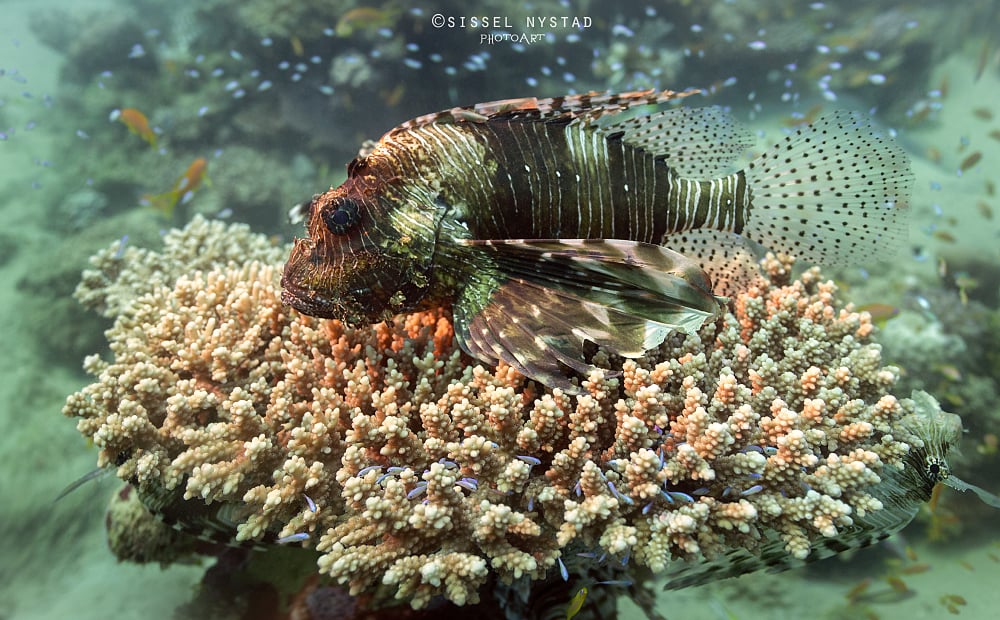
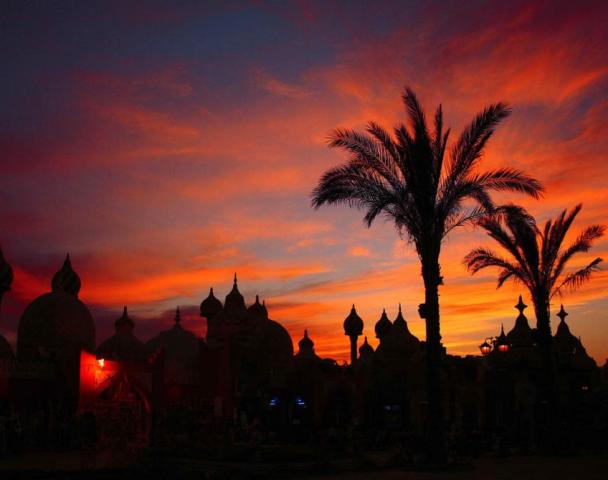
Only the best, hand-picked hotels, inside every region.
In Egypt we only list hotels we'd stay at on a dive trip ourselves. Each region above has its own, or we can put a shortlist together for you.
Dive, plus the Egypt you'd hate to miss
Our Egypt dive tours mix the best diving with other places worth the trip, planned around your dates, level and budget.
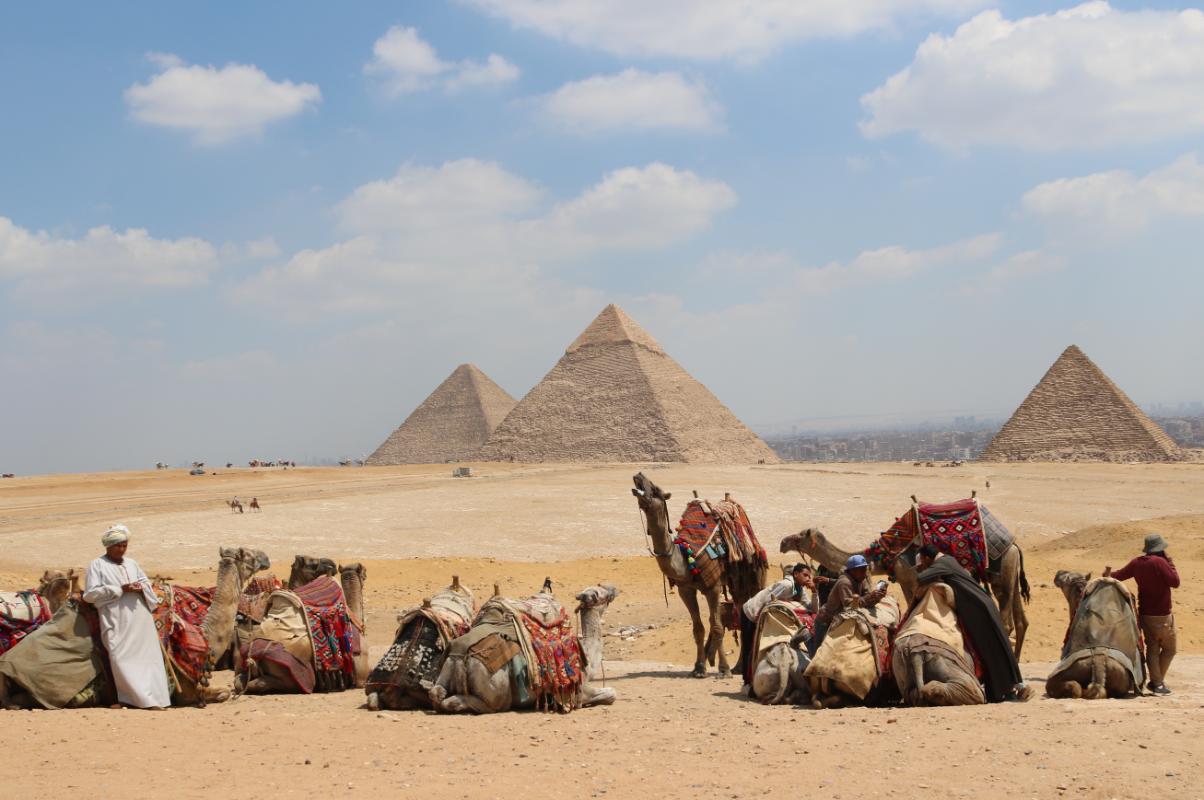
Luxor and Soma Bay
From £1,900 pp
Discover this tour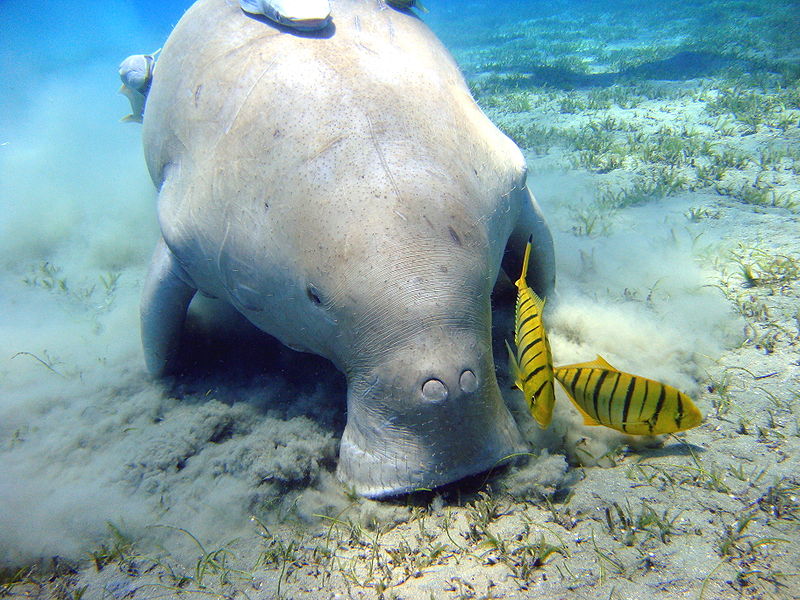
Snorkel and scuba dive resort PLUS Luxor
From £1,650 pp
Discover this tour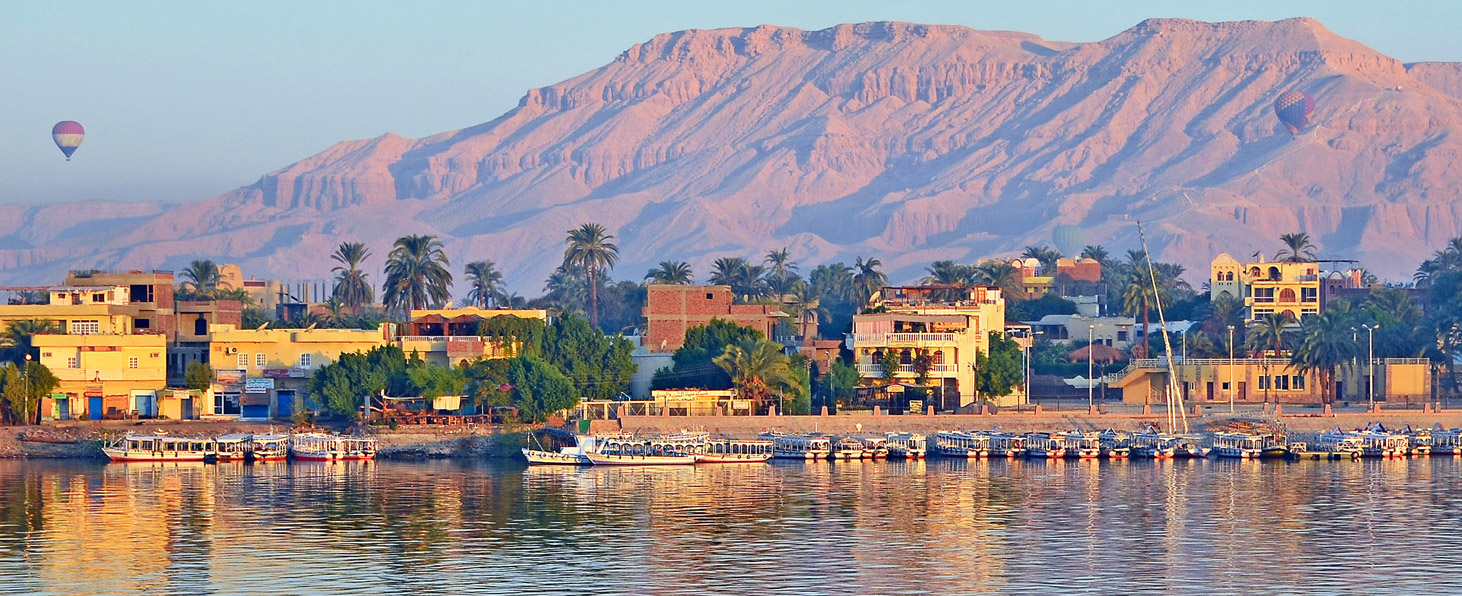
The best of Egypt
From £3,500 pp
Discover this tour
Cairo - Nile Cruise - Soma Bay
From £2,250 pp
Discover this tourWhat our clients say
From clients who booked Egypt with us.
Matt was great. Very helpful and he explained the options. I feel like I have a tailored solution to my request and am looking forward to the experience in Egypt. Let’s see!
Palm Royale hotel was lovely, very clean, very friendly staff, all inclusive buffet food was excellent no need to go to the a la carte restaurants. After flight home was cancelled a big Thank you to Planet Travel holidays for organising a hotel late at night.
Diving trip to Egypt.
From day one the advice, information and back up was very positive and supportive.
This was the first solo trip for me and the whole team made it very easy. Everything was in place from the airport transfers to the incredible hotel and the dive course. I will be using Planet Travel again and would thoroughly recommend them. Loved every minute and planning next trip already. Thanks everyone.
Malcolm.
Planet Travel Holidays is rated 5.0 on Google from 195 reviews. More reviews · All reviews on Google
We lose sleep so you don’t.
We take every booking personally. Here's what happens after you book a dive trip with us, before you fly and while you're away.
Your money stays in trust
Your payments go into a trust account, not our bank, and stay there until after your trip. If we ever stopped trading, the money would come back to you.
Your diving booked before you fly
Your dives with the centre or the boat, the flights, the transfers and the room you chose are all confirmed before you leave home. The driver who meets you will be there and will speak English.
A call before you go
Documents, visas, your certification card and insurance that covers your diving. We go through it on the phone, and you can ask anything else while we're talking.
On WhatsApp the whole trip
Wherever you are and whatever the time, there's one number to message or call. Flight delayed, room not right, a problem at the dive centre: the person who answers already knows your booking.
Plan your trip with people who dive.
Tell us when you can travel, your certification level and what you'd like to see underwater. We'll send a shortlist of resorts or liveaboards, usually within one working day.
Book your free consultation
Mon–Thu 9am–6pm, Fri–Sat 9am–5pm