



 Nassau



Please wait
CAPE-VERDE DIVING HOLIDAYS
CAPE-VERDE DIVING HOLIDAYS
CAPE-VERDE DIVING HOLIDAYS
CAPE-VERDE DIVING HOLIDAYS
CAPE-VERDE DIVING HOLIDAYS
Why you'll love diving in Cape-verde!

Hot temperatures just a short haul flight from the UK
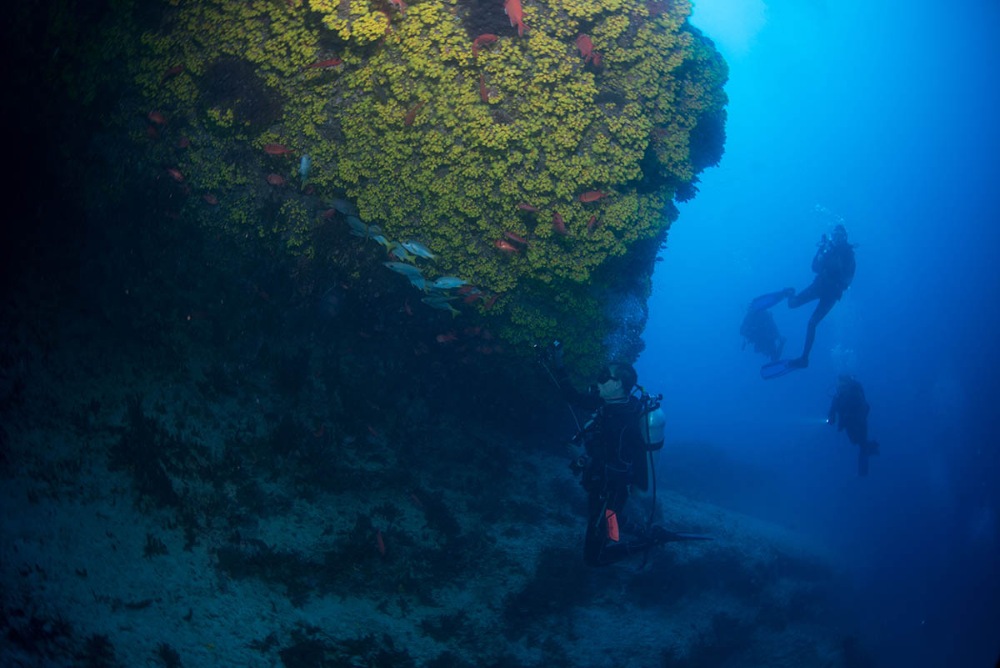
Huge shoals of fish
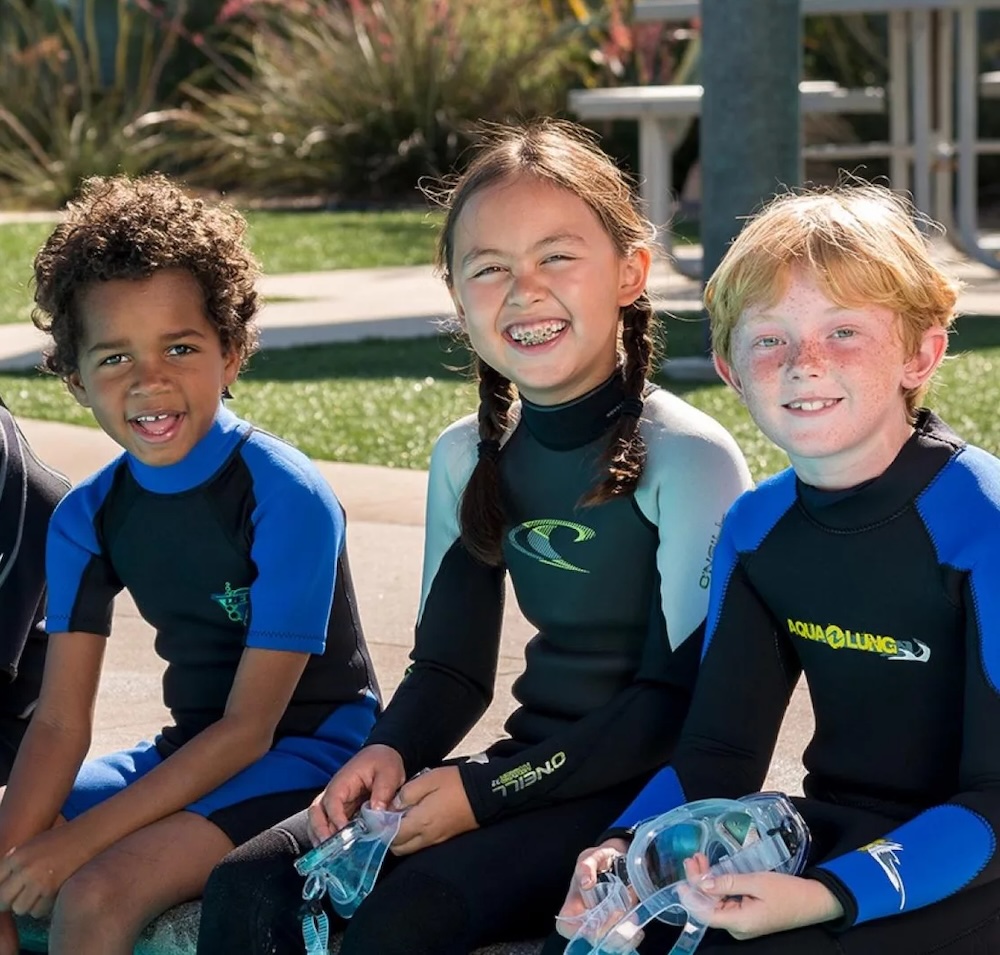
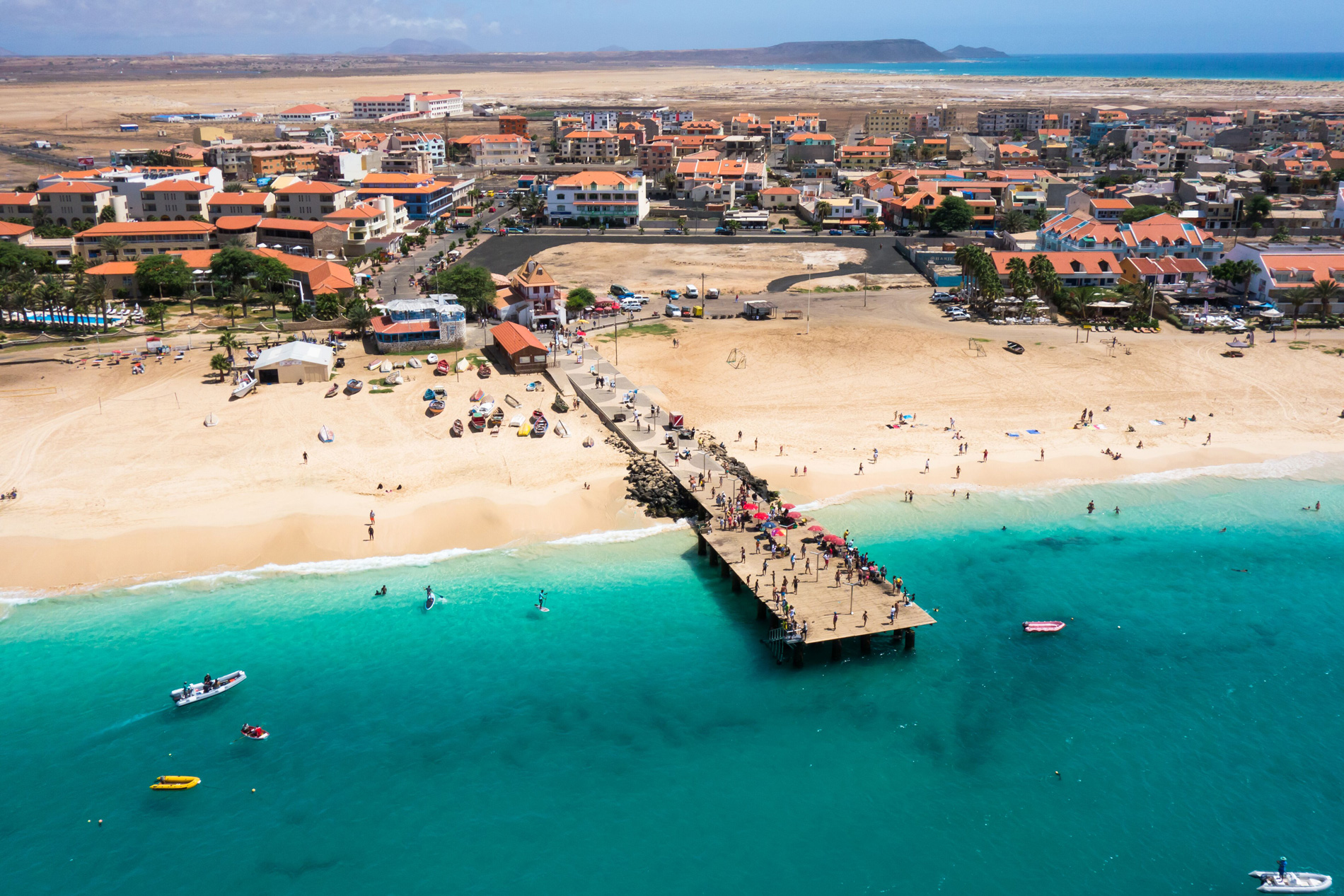
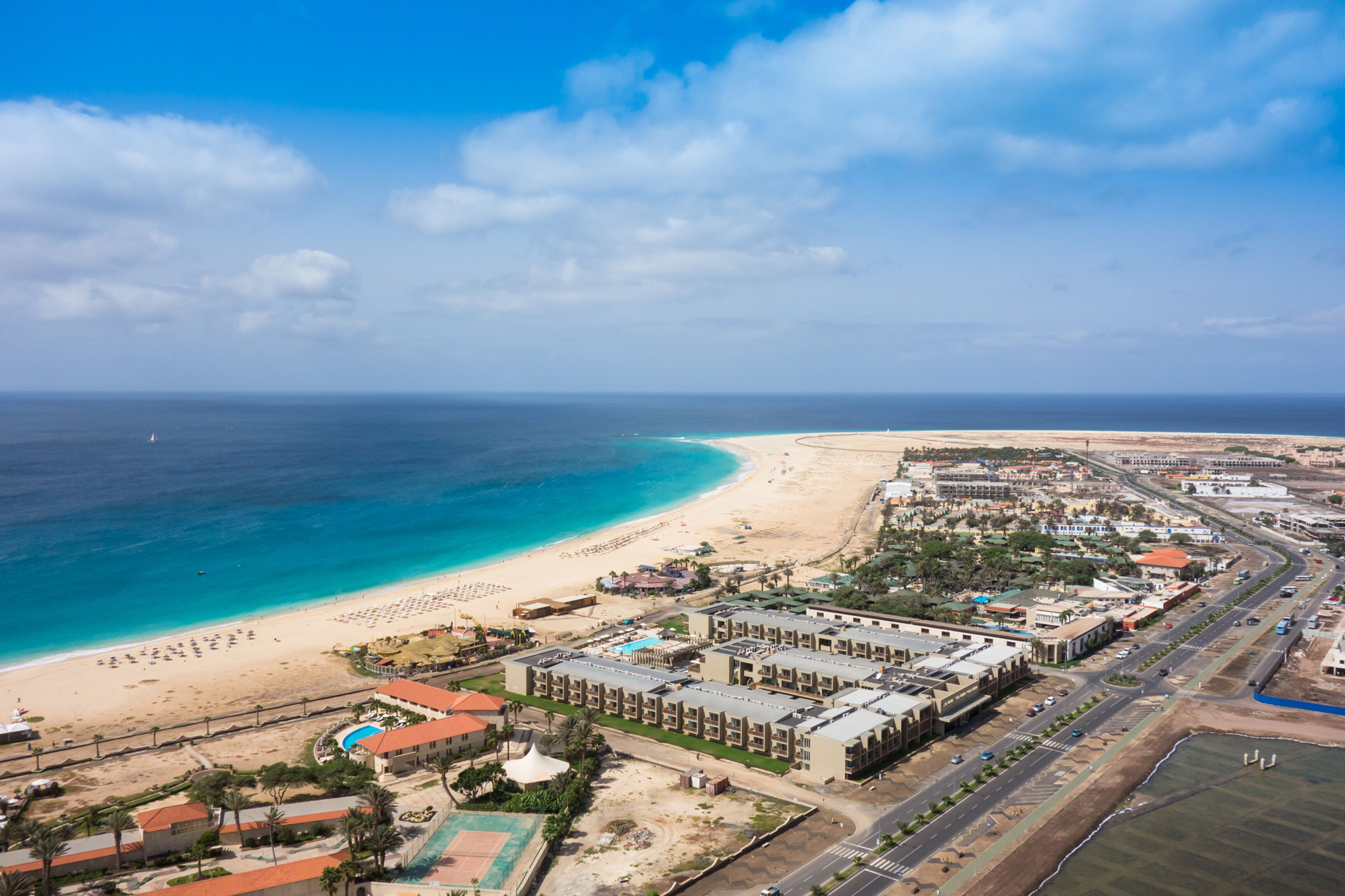
Perfect location for a family holiday, with lots to offer for non-diving partners or friends.
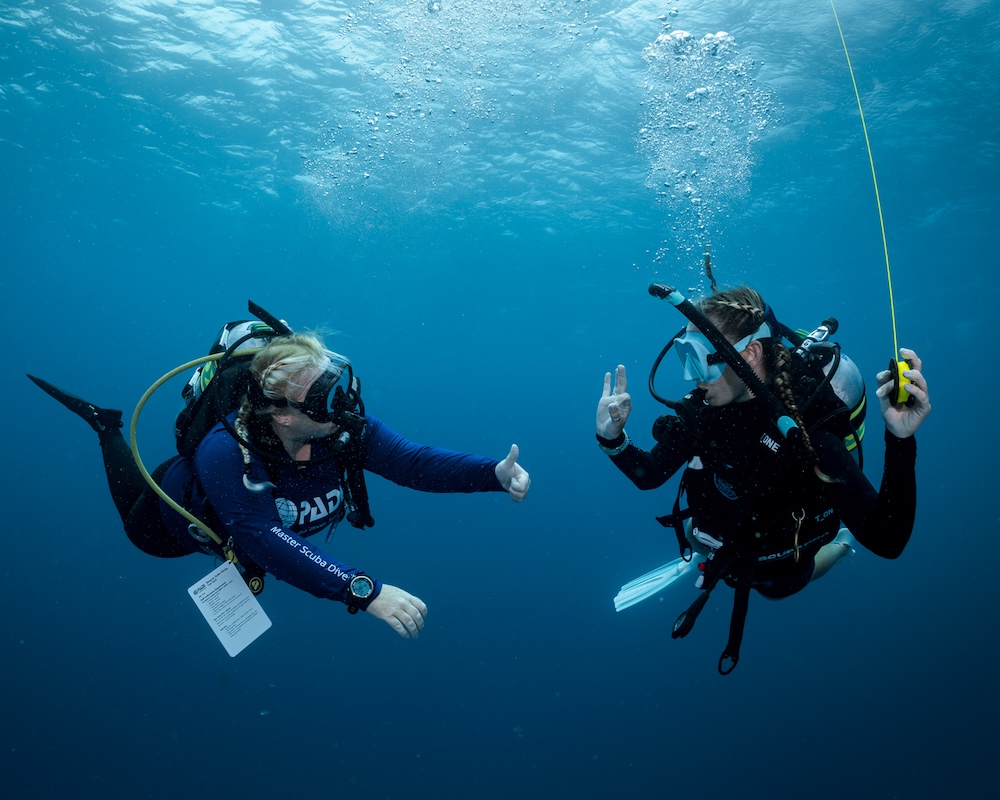
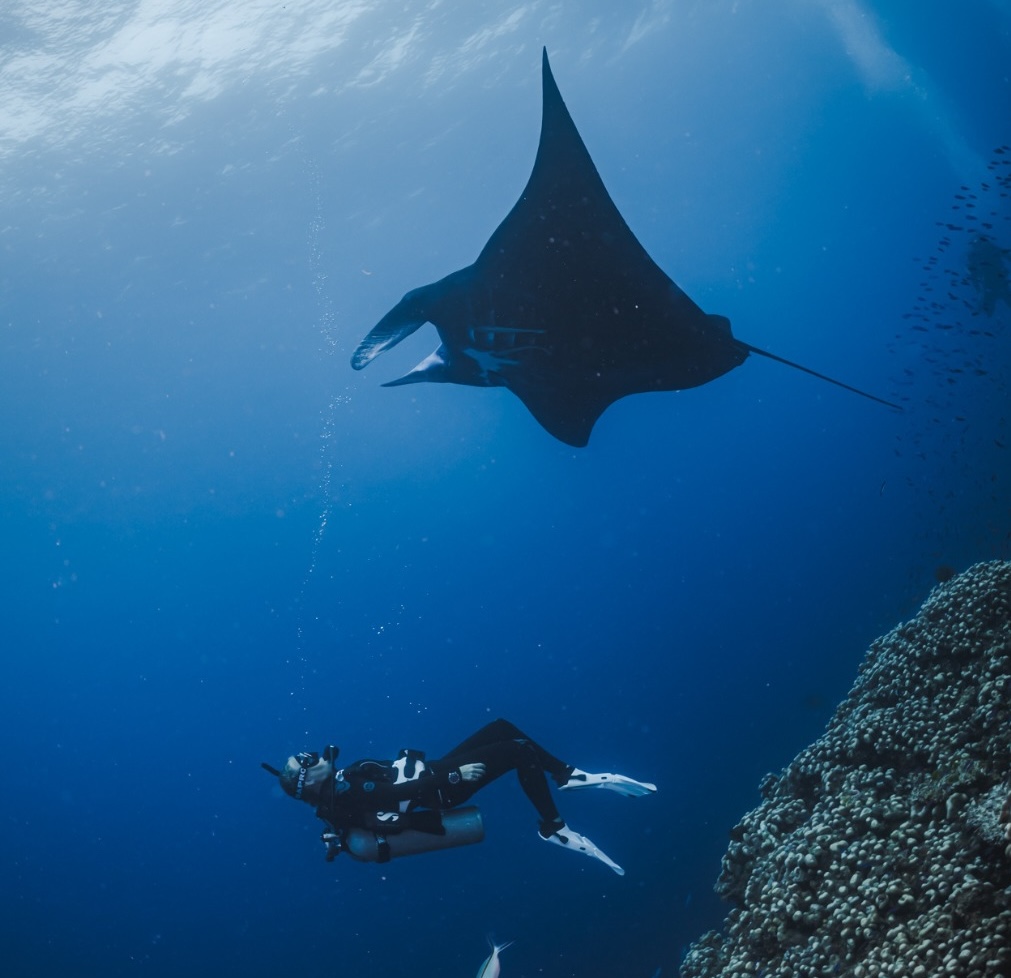
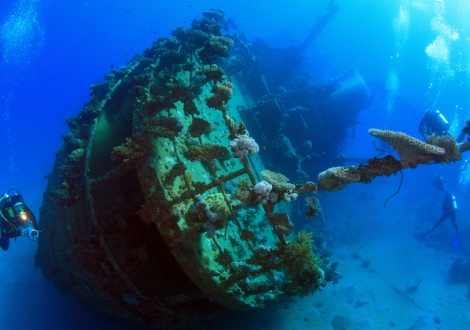
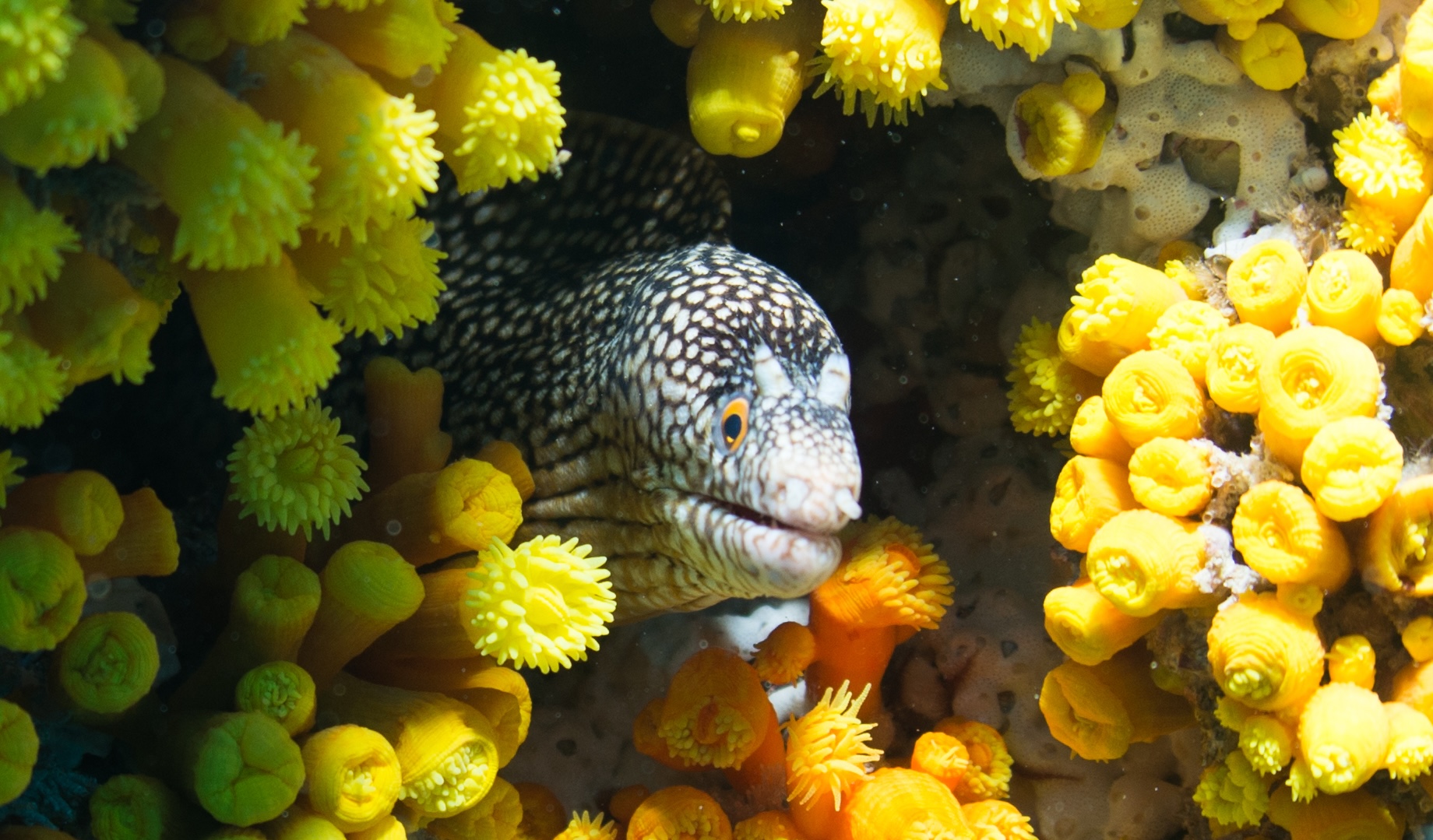
There are 25 diving sites on Sal and Cape Verde including wrecks at a depth of 10m. Fish include grouper, tuna and mackerel but shark are a rarity. Ribs take 10 to 12 divers each and can provide gentle drift dives in one knot of current. Night dives are made at most inshore locations. Plenty of reef fish and occasionally tuna and wahoo can be seen. Late summer brings mantas, morays, barracudas, nurse sharks and more rarely sand and tiger sharks, sting rays and small grouper. Whale shark are rare visitors.
Cape Verde is pleasant year-round. Even during the so-called rainy season from mid-August to mid-October, weeks can go by without a downpour. Thanks to cooling ocean currents and offshore winds, Cape Verde has the lowest temperatures of any country in West Africa, and also some of the most moderate, ranging from a minimum night-time average of 19°C in February to a maximum daytime average of 29°C from May to November. Summer temperatures, especially in the northern islands, can be cooler than in Europe, though the southern islands, especially Fogo, can get hot and sticky. From December to March you may need a sweater in the evenings, especially at higher altitudes. Winter months are also marked by gusty winds, which blow in dust all the way from the Sahara.
Beginner (9/10), Intermediate (9/10), Advance (9/10)
Top hotels in cape-verde

.png)
.png)