




 Nassau



Please wait
Liveaboard · Palau
Palau Aggressor II, Palau
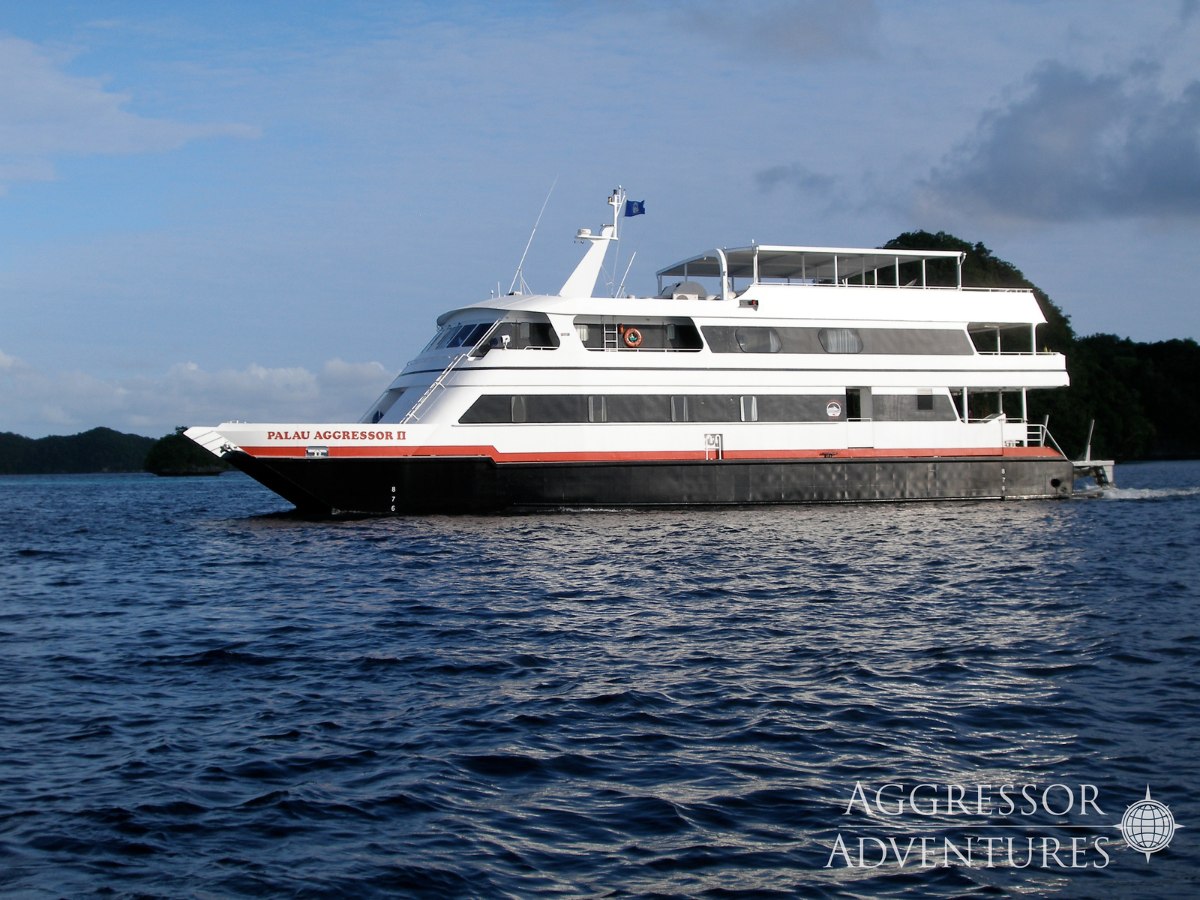
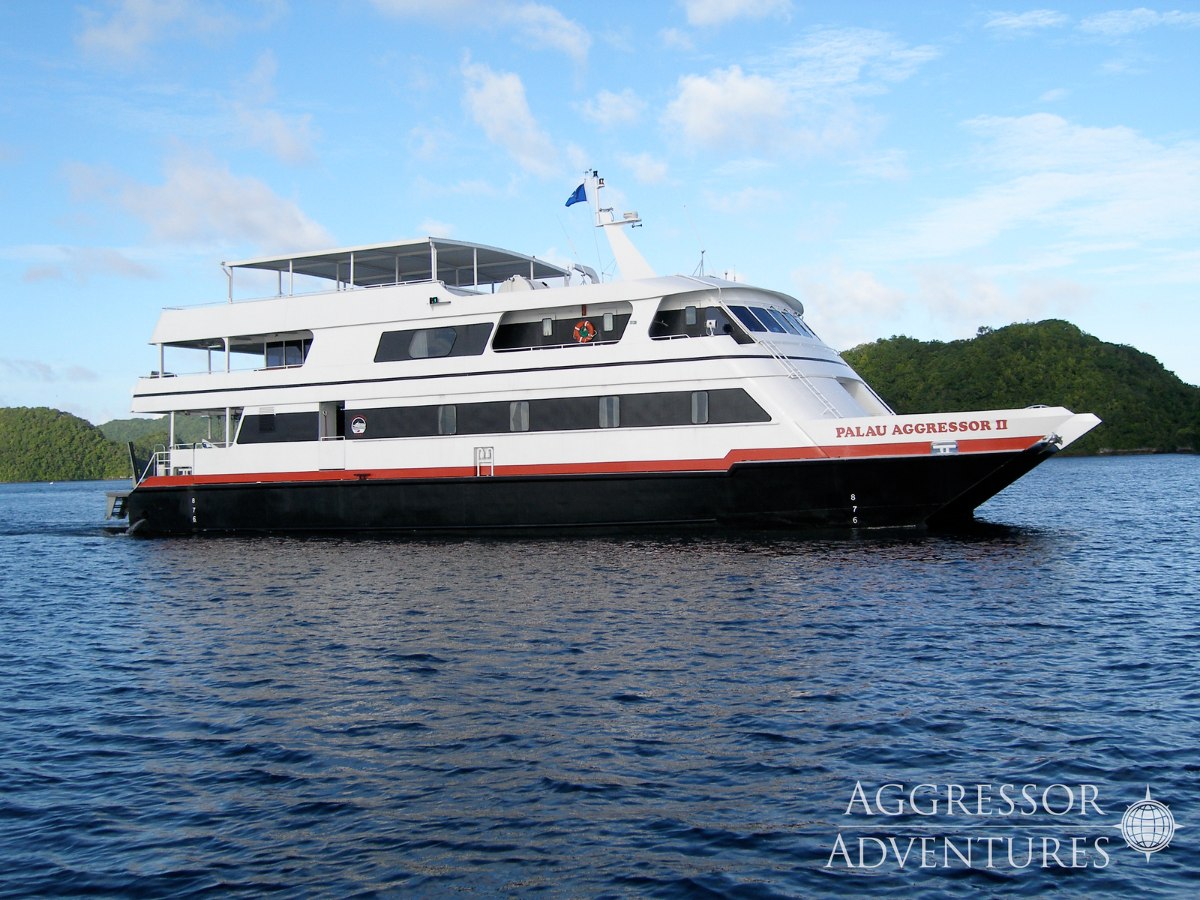
Palau Aggressor II is a purpose-built dive liveaboard operating in the waters of Palau, one of the world’s most highly regarded scuba diving destinations.
5★ on Google — 190+ reviews
Personally checked by our dive team
ATOL & TTA — 100% protected
See it for yourself
Palau Aggressor II in pictures
The boat
Palau Aggressor II, in detail
Palau Aggressor II
Palau Aggressor II is a purpose-built dive liveaboard operating in the waters of Palau, one of the world’s most highly regarded scuba diving destinations. The yacht is 106 feet long and accommodates up to 18 guests, with an experienced crew overseeing diving, safety, navigation, and onboard service. The vessel is designed specifically for serious divers who want comfortable accommodation, efficient diving operations, and access to Palau’s most famous and remote dive sites.
Accommodation is arranged across nine cabins, all with private en-suite bathrooms, air conditioning with individual controls, storage space, and practical layouts designed for week-long dive trips. Eight of the cabins are Deluxe Staterooms. Each Deluxe Stateroom measures approximately 12 feet 2 inches by 8 feet 6 inches, giving a cabin size of around 103 square feet. These cabins feature a lower queen bed and a single upper bunk, allowing a maximum occupancy of three guests per cabin. They also include a port window for natural light, a private bathroom with shower, and enough storage for dive gear, clothing, and personal items.
There is one Double Stateroom located on the dive deck level. This cabin measures approximately 12 feet 7 inches by 6 feet 10 inches, or around 86 square feet. It features a lower double bed with a single upper bunk above, again allowing a maximum occupancy of three guests. Like the Deluxe Staterooms, it has a private en-suite bathroom, air conditioning, and dedicated storage.
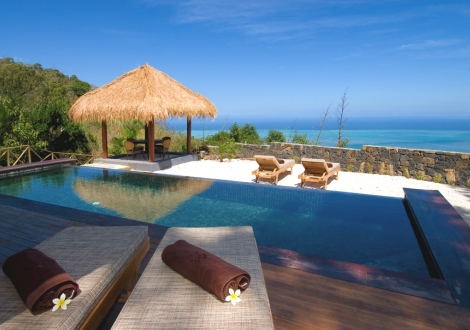
The yacht’s interior spaces are designed for comfort between dives. The main salon is air-conditioned and serves as the social hub of the boat. It includes seating, tables, and an entertainment system, and is where briefings, meals, and evening presentations usually take place. Above, the sun deck provides open and shaded areas with loungers and deck chairs, offering space to relax, dry equipment, or enjoy the scenery between dives. There is also a bar and a grill area, often used for informal gatherings and surface-interval snacks.
Diving operations are highly organised and efficient. The dive deck is spacious and laid out to allow easy kitting up and entry. Each diver is allocated their own station with tank storage and space for equipment. Giant stride entries are standard, and exits are assisted by the crew. The yacht carries compressors, nitrox systems for enriched air diving, and ample rinse tanks for cameras and dive gear. Nitrox is available for certified divers and is commonly used due to the repetitive nature of Palau diving.
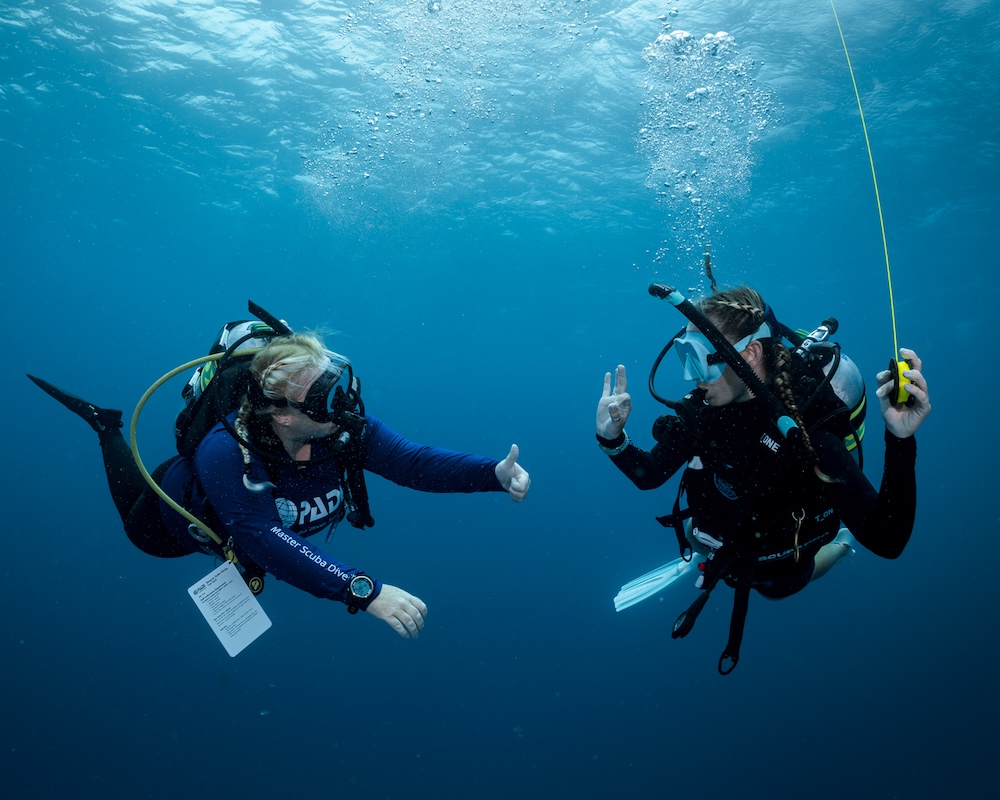
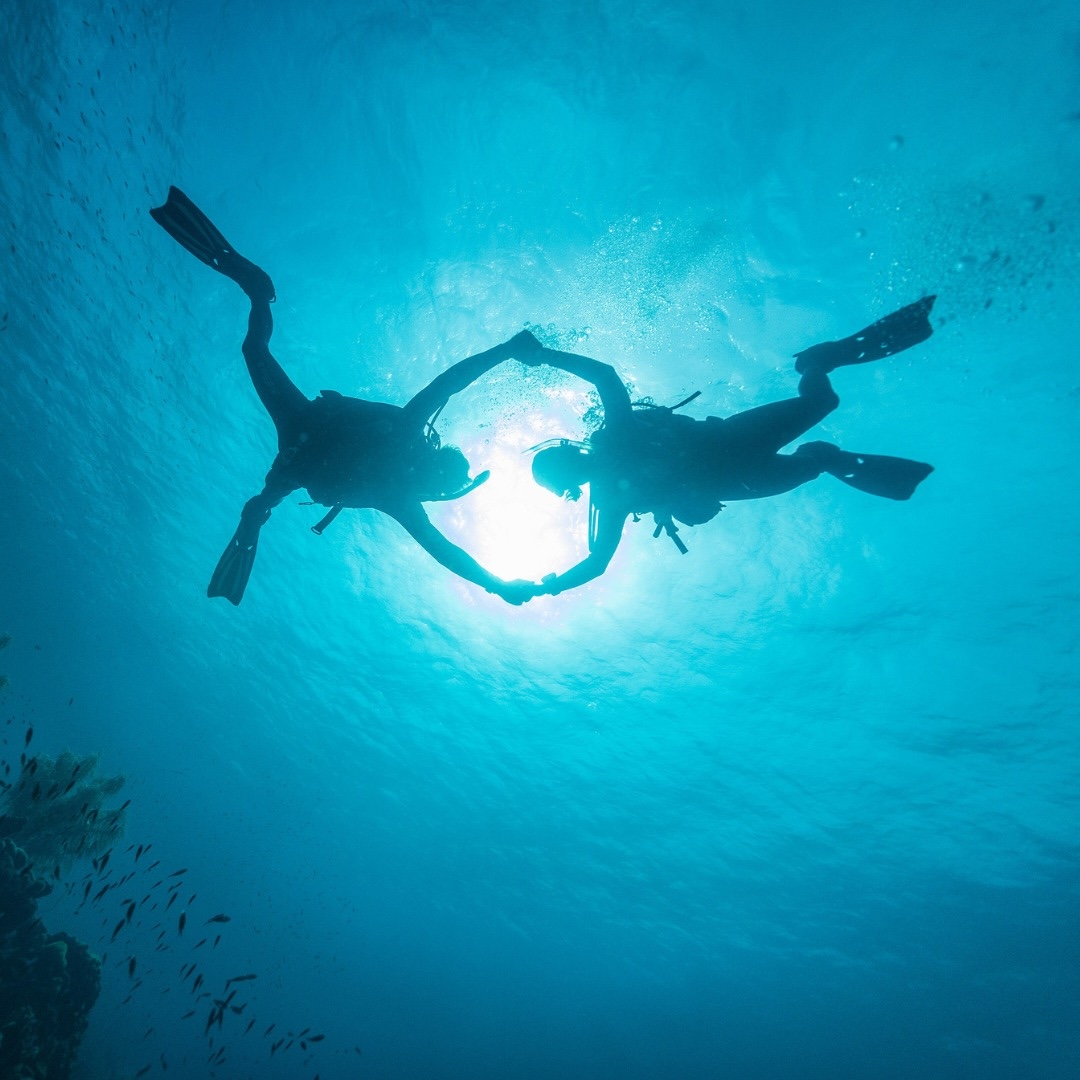
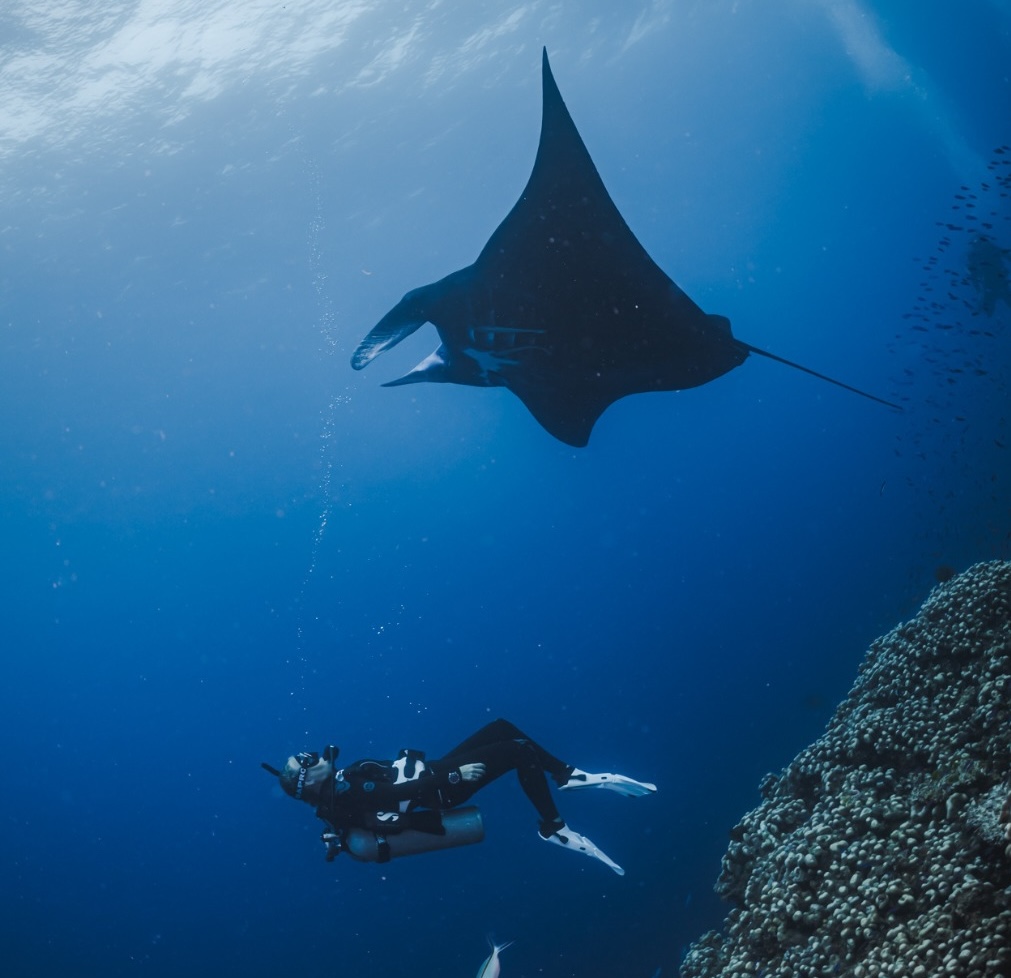
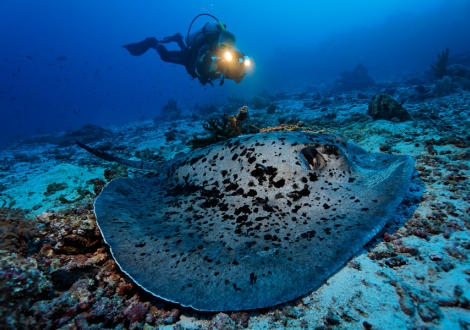
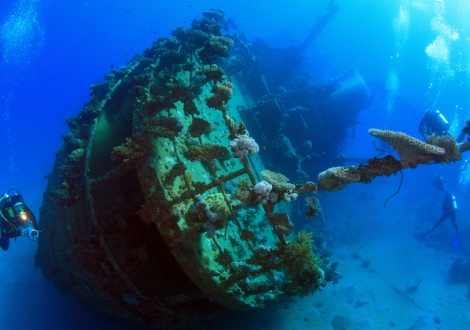
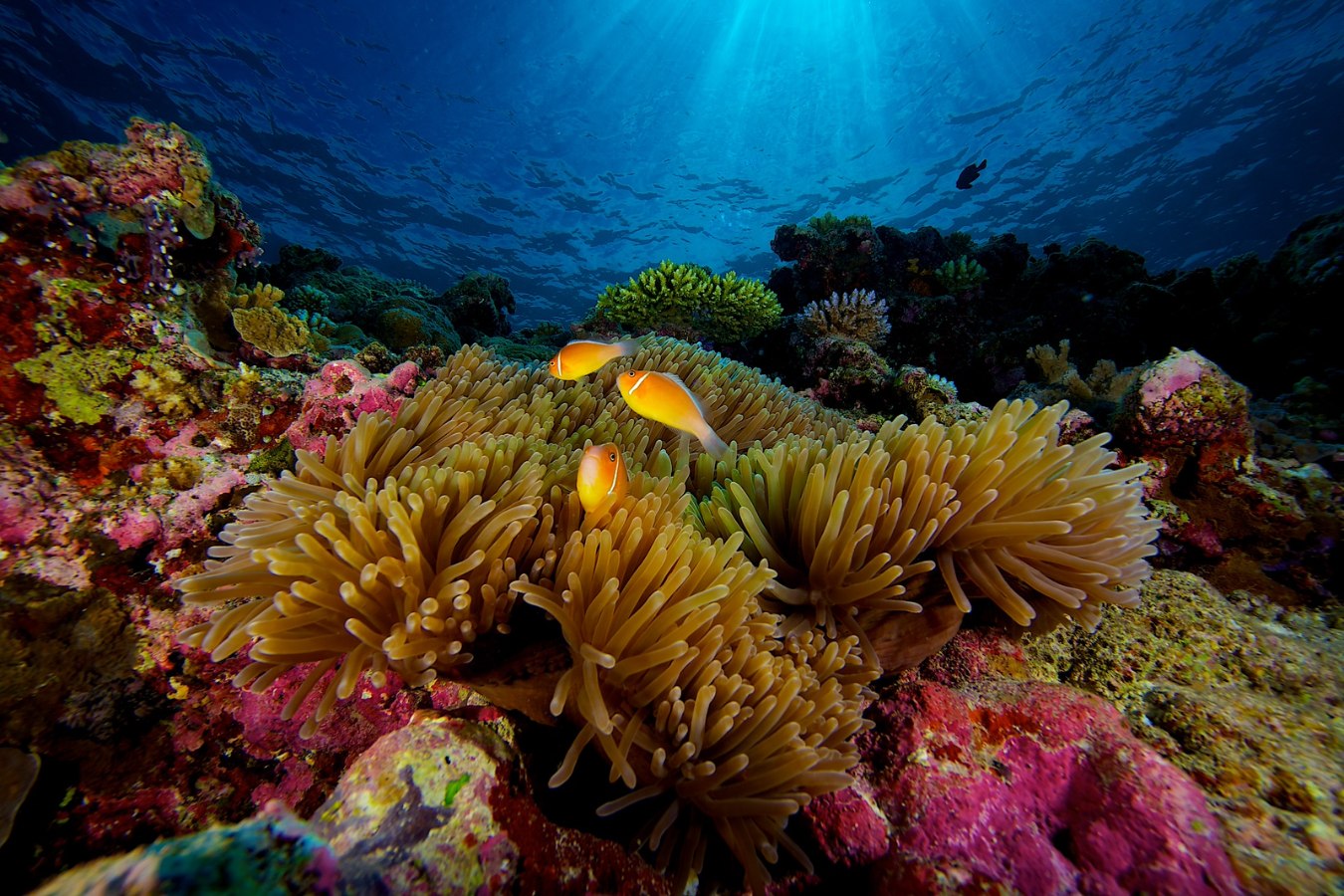
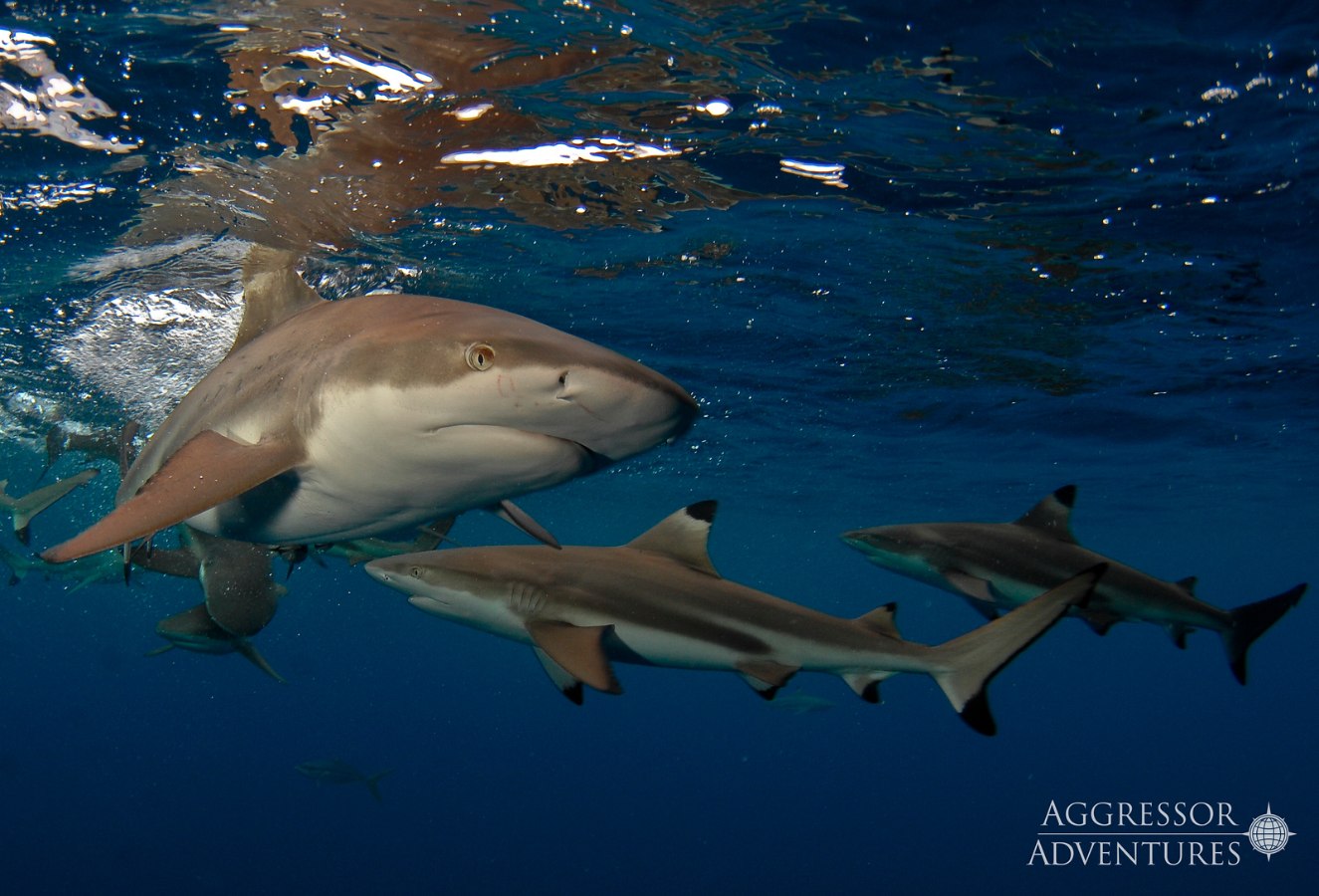
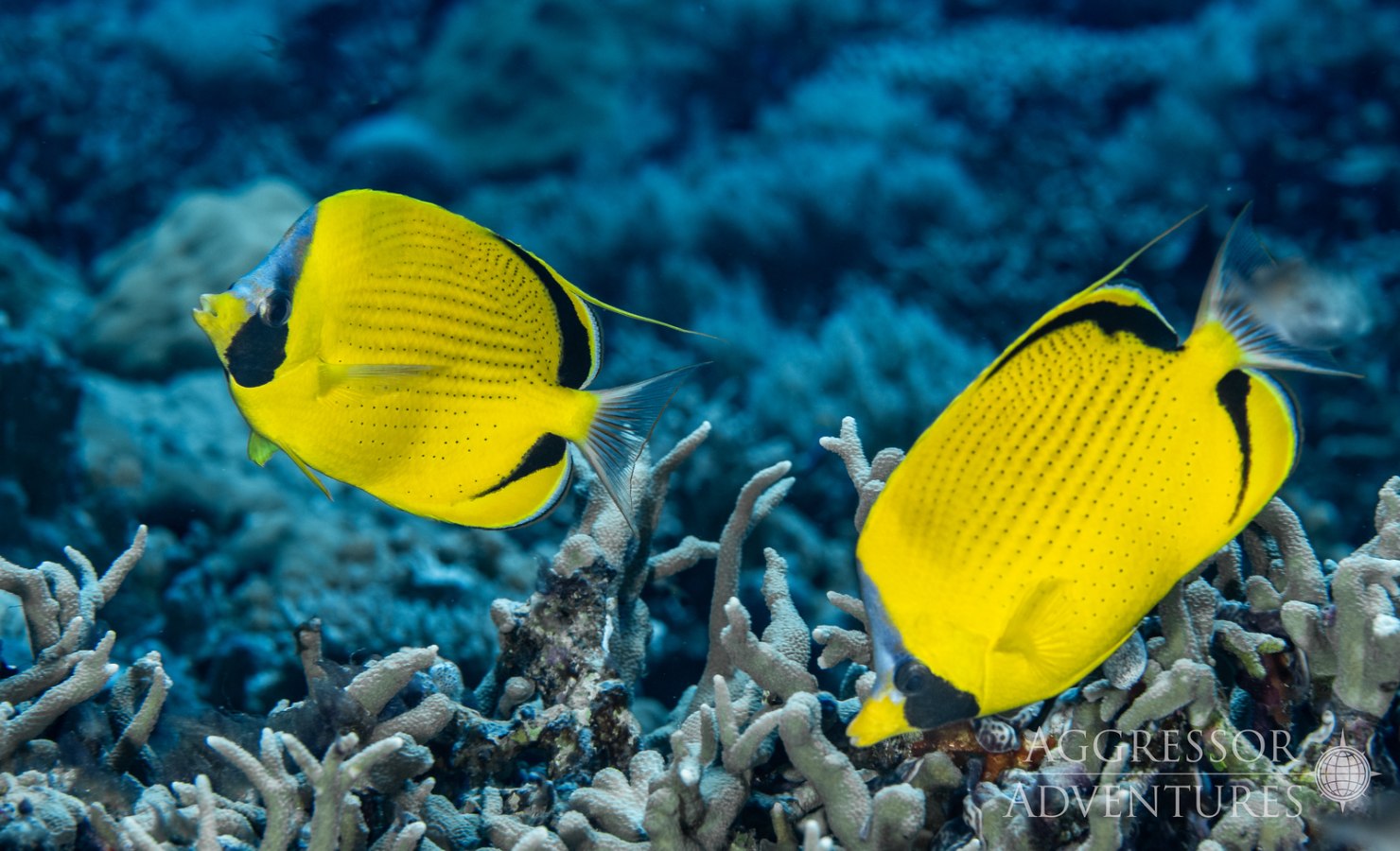
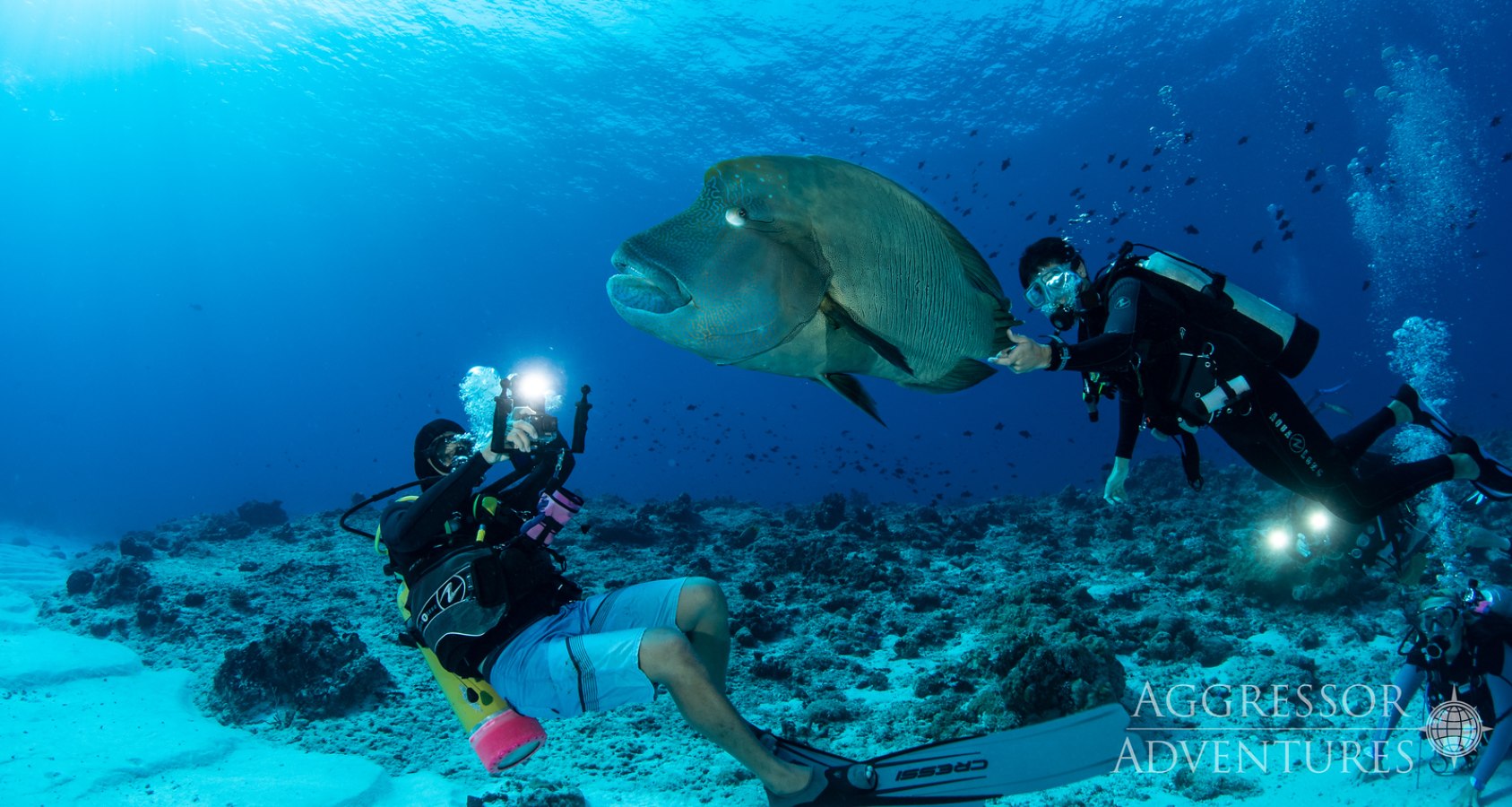
Diving is conducted across Palau’s most famous sites, including steep walls, channels, blue-water drop-offs, coral gardens, and sheltered reefs. Typical dive areas include sites around Koror, Peleliu, and the Rock Islands, with conditions ranging from gentle reef dives to strong current drift dives. Divers can expect encounters with reef sharks, schooling barracuda, jacks, turtles, rays, and large numbers of reef fish, as well as soft corals, hard corals, and dramatic underwater topography. Dive itineraries are planned according to weather, sea conditions, and guest experience levels, with up to five dives per day offered on full dive days, including night dives when conditions allow.
The yacht carries a full range of dive safety equipment. This includes emergency oxygen, first aid kits, satellite communications, marine radios, GPS, and radar. Dive briefings are thorough, covering site conditions, currents, depth profiles, and safety procedures. A diver recall system is used, and strict attention is paid to dive times, surface intervals, and safety stops. The crew are trained in emergency response and are familiar with Palau’s local evacuation and recompression facilities.
Food onboard is hearty, fresh, and designed to suit active divers. Meals are served buffet-style and include a mix of Western and local influences. Breakfast typically includes hot and cold options such as eggs, cereals, fruit, toast, and cooked dishes. Lunches are lighter but filling, often featuring soups, salads, rice, pasta, meats, or fish. Dinner is the main meal of the day and usually includes a choice of protein, vegetables, and carbohydrates, followed by dessert. Snacks, fruit, soft drinks, tea, and coffee are available throughout the day, with beer and wine typically served after diving has finished for the day.
Google ★★★★★ 5/5
Is Palau Aggressor II right for you?
Every trip is 100% financially protected — ATOL licence and trust account. We can add flights, hotels and tours around your liveaboard as one tailor-made booking. Speak to a Palau diving expert.
Or call +44 1273 921 001 — Mon–Fri
9am–6pm
Departures & cabins
Pick your month
As a fully bonded tour operator with an ATOL licence and trust account, your trip is totally financially protected. We can also include flights, hotels and tours with your liveaboard booking — speak to a Palau diving holiday expert on +44 1273 921 001 to build a tailor-made tour around it.
06 Sep, 2026
7 nights
Best of Palau Groups Only (half or whole boat)
Koror to Koror ·
06 Sep, 2026 –
13 Sep, 2026
See
full itinerary →
18 spaces
£2,996
per person
📷

MAIN DECK ·
1
cabin · max
2 pp
Double Stateroom
£2,996
per person
Only 2 left
📷
MAIN DECK ·
8
cabins · max
2 pp
Deluxe Stateroom
£3,152
per person
16 spaces
Included
- All diving — tanks, weights & air
- 100% financial protection via our Travel Trust Association membership
- ATOL holiday protection when we include a flight with your holiday
Not included
- International flights — we can add these to your trip
- Hotel stays before or after your trip — we have exceptional prices at the best hotels in the region if you want to extend your trip
06 Sep, 2026
7 nights
Best of Palau
Koror to Koror ·
06 Sep, 2026 –
13 Sep, 2026
See
full itinerary →
18 spaces
£2,996
per person
📷
MAIN DECK ·
1
cabin · max
2 pp
Double Stateroom
£2,996
per person
Only 2 left
📷
MAIN DECK ·
8
cabins · max
2 pp
Deluxe Stateroom
£3,152
per person
16 spaces
Included
- All diving — tanks, weights & air
- 100% financial protection via our Travel Trust Association membership
- ATOL holiday protection when we include a flight with your holiday
Not included
- International flights — we can add these to your trip
- Hotel stays before or after your trip — we have exceptional prices at the best hotels in the region if you want to extend your trip
13 Sep, 2026
7 nights
Best of Palau
Koror to Koror ·
13 Sep, 2026 –
20 Sep, 2026
See
full itinerary →
18 spaces
£2,996
per person
📷
MAIN DECK ·
1
cabin · max
2 pp
Double Stateroom
£2,996
per person
Only 2 left
📷
MAIN DECK ·
8
cabins · max
2 pp
Deluxe Stateroom
£3,152
per person
16 spaces
Included
- All diving — tanks, weights & air
- 100% financial protection via our Travel Trust Association membership
- ATOL holiday protection when we include a flight with your holiday
Not included
- International flights — we can add these to your trip
- Hotel stays before or after your trip — we have exceptional prices at the best hotels in the region if you want to extend your trip
20 Sep, 2026
7 nights
Best of Palau
Koror to Koror ·
20 Sep, 2026 –
27 Sep, 2026
See
full itinerary →
18 spaces
£2,996
per person
📷
MAIN DECK ·
1
cabin · max
2 pp
Double Stateroom
£2,996
per person
Only 2 left
📷
MAIN DECK ·
8
cabins · max
2 pp
Deluxe Stateroom
£3,152
per person
16 spaces
Included
- All diving — tanks, weights & air
- 100% financial protection via our Travel Trust Association membership
- ATOL holiday protection when we include a flight with your holiday
Not included
- International flights — we can add these to your trip
- Hotel stays before or after your trip — we have exceptional prices at the best hotels in the region if you want to extend your trip
27 Sep, 2026
7 nights
Best of Palau
Koror to Koror ·
27 Sep, 2026 –
04 Oct, 2026
See
full itinerary →
18 spaces
£2,996
per person
📷
MAIN DECK ·
1
cabin · max
2 pp
Double Stateroom
£2,996
per person
Only 2 left
📷
MAIN DECK ·
8
cabins · max
2 pp
Deluxe Stateroom
£3,152
per person
16 spaces
Included
- All diving — tanks, weights & air
- 100% financial protection via our Travel Trust Association membership
- ATOL holiday protection when we include a flight with your holiday
Not included
- International flights — we can add these to your trip
- Hotel stays before or after your trip — we have exceptional prices at the best hotels in the region if you want to extend your trip