Written by the Planet Dive team — we’ve been arranging diving holidays since 2001, and every resort and liveaboard on this page has been dived by one of us personally. Updated September 2026.
The best place to scuba dive in the world depends on what you measure. For sheer reef life, nowhere touches Raja Ampat in Indonesia. For big animals, the Galapagos. For top diving within six hours of the UK, the Egyptian Red Sea wins and it isn’t close. This guide ranks the twenty destinations our team rates most highly for a diving holiday, with the best month for each, what you’ll actually see, and who each one suits — plus the famous names we’ve deliberately left out, and why.
Two ways to use it: read the ranking, or jump to the month-by-month index if your dates are fixed and the destination isn’t.
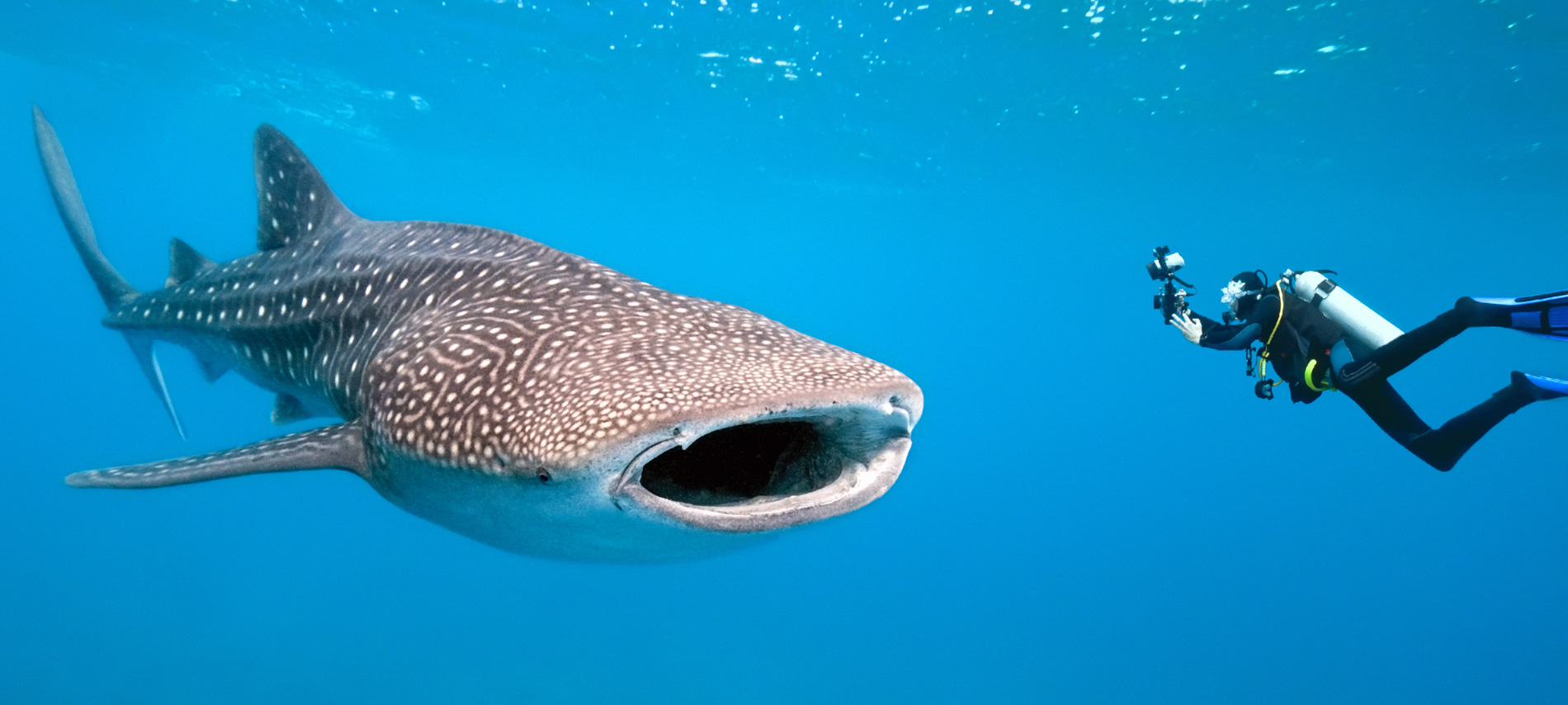
The 20 best places to scuba dive — compared
| # | Destination | Best for | Best months | UK flight time | Level |
|---|---|---|---|---|---|
| 1 | Raja Ampat, Indonesia | The richest reefs on Earth | Oct–Apr | ~20 hrs | Experienced |
| 2 | Egyptian Red Sea — Sharm & Ras Mohammed | Wrecks, walls, value | Mar–Nov | ~5.5 hrs | All levels |
| 3 | Maldives | Mantas, whale sharks, luxury | Nov–May | ~10 hrs | Improver+ |
| 4 | Galapagos Islands | Hammerheads, big-animal action | Jun–Nov | ~18 hrs | Advanced |
| 5 | Komodo, Indonesia | Current-swept reefs, mantas | Apr–Nov | ~19 hrs | Experienced |
| 6 | Marsa Alam, Egypt | House reefs & dugongs on a budget | Year round | ~6 hrs | All levels |
| 7 | Tofo, Mozambique | Mantas year-round, whale sharks | Oct–Mar | ~14 hrs | Improver+ |
| 8 | Mafia Island, Tanzania | Whale sharks without the crowds | Oct–Mar | ~13 hrs | All levels |
| 9 | Little Cayman | Bloody Bay Wall | Nov–Jul | ~12 hrs | All levels |
| 10 | Bonaire, Dutch Antilles | The shore-diving capital of the world | Year round | ~11 hrs | All levels |
| 11 | Cozumel, Mexico | Effortless drift diving | Dec–Apr | ~11 hrs | All levels |
| 12 | Belize | The Blue Hole & Gladden Spit whale sharks | Nov–Jun | ~13 hrs | Improver+ |
| 13 | Turks & Caicos | Wall diving; passing humpbacks | Nov–Apr | ~10 hrs | All levels |
| 14 | Daymaniyat Islands, Oman | Arabia’s best-kept secret | Sep–Nov | ~8 hrs | All levels |
| 15 | Aqaba, Jordan | Wrecks and winter sun | Year round | ~5.5 hrs | All levels |
| 16 | Seychelles | Granite topography, whale sharks | Apr–May, Oct–Nov | ~10.5 hrs | All levels |
| 17 | Mauritius | Walls, wrecks and a five-star topside | Oct–Apr | ~12 hrs | All levels |
| 18 | Similan Islands, Thailand | Richelieu Rock | Oct–May | ~13 hrs | Improver+ |
| 19 | Malta & Gozo | Europe’s wreck capital | May–Oct | ~3 hrs | All levels |
| 20 | Nosy Be, Madagascar | Whale sharks off the beaten track | Sep–Dec | ~14 hrs | Improver+ |
Going in a specific month? Start here
Somewhere on this list is in season every month of the year. If your dates are fixed, these are the strongest options for each month:
| Month | Your best options |
|---|---|
| January | Maldives · Raja Ampat · Turks & Caicos · Mafia Island |
| February | Maldives · Cozumel · Tofo · Little Cayman |
| March | Maldives · Sharm el Sheikh · Raja Ampat · Belize |
| April | Red Sea · Komodo · Belize (whale sharks) · Seychelles |
| May | Maldives (Hanifaru begins) · Red Sea · Malta · Similans until mid-May |
| June | Galapagos · Komodo · Malta · Belize |
| July | Galapagos · Komodo · Red Sea · Malta |
| August | Galapagos · Hanifaru Bay at its peak · Komodo · Malta |
| September | Oman (whale sharks) · Galapagos · Nosy Be · Red Sea |
| October | Raja Ampat opens · Similans open · Mafia Island · Mauritius |
| November | Maldives season opens · Raja Ampat · Oman · Turks & Caicos |
| December | Maldives · Raja Ampat · Cozumel · Nosy Be |
Indonesia and the Coral Triangle: the biodiversity heavyweights
1. Raja Ampat — the richest reefs on Earth
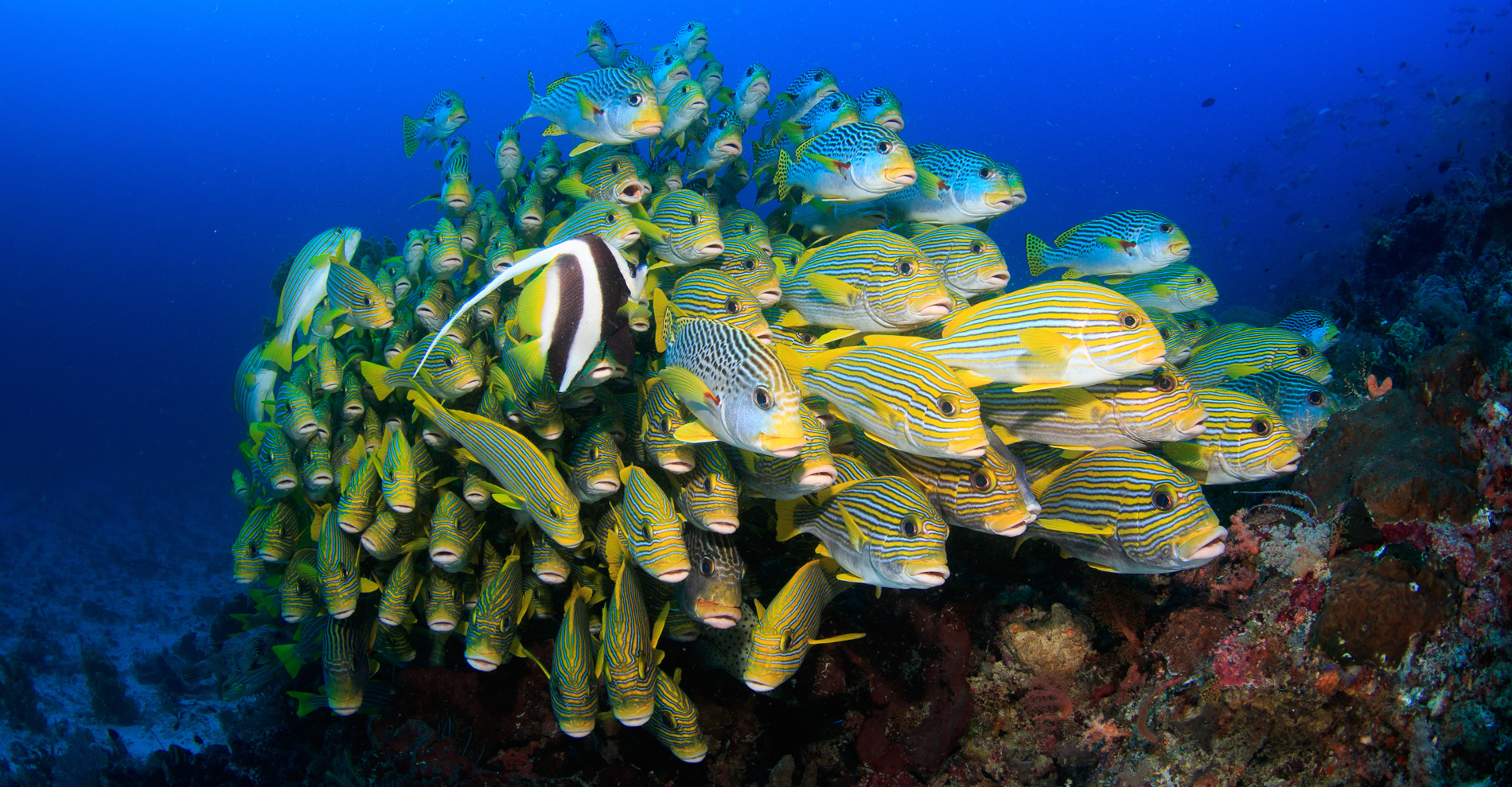
Raja Ampat sits at the centre of the Coral Triangle, and by most scientific counts holds more coral and reef-fish species than anywhere else on the planet. A single dive can pass oceanic mantas, wobbegongs, walking sharks and bait balls so dense they dim the light. It is a long journey (around twenty hours from the UK, then a boat) and the reward is proportional. Currents can be serious, so it suits divers with some experience, and the best of it is reached by liveaboard between October and April. If you only ever do one far-flung diving trip, this is the one our team keeps choosing. Part of our Raja Ampat diving holidays programme.
5. Komodo — current-swept and alive
Komodo National Park is what happens when nutrient-rich currents meet volcanic topography: mantas at Karang Makassar, sharks patrolling Batu Bolong, and soft-coral slopes that look lit from inside. The currents that feed all this life demand respect, which is why we place Komodo diving holidays with experienced divers, and the season runs roughly April to November — opposite to Raja Ampat, so Indonesia works year-round. Dragons on the rest day are not a small bonus.
18. Similan Islands, Thailand — Richelieu Rock
The Similans open each October and close in May, and the reason divers cross the world for them is one submerged pinnacle: Richelieu Rock, purple soft corals wall to wall, schooling barracuda, and a genuine chance of a whale shark in the early months of the year. Boulder topography on the western sides gives swim-throughs you will not find on a standard reef. Book via our Thailand diving holidays.
The Red Sea: the best diving within six hours of the UK
2. Sharm el Sheikh & Ras Mohammed — wrecks and walls
The northern Red Sea is the reason generations of British divers learned to travel: five and a half hours to water that is warm, calm and exceptionally clear. Ras Mohammed’s Shark and Yolanda Reefs deliver wall diving that stands comparison with anywhere, and the SS Thistlegorm (a Second World War cargo ship sunk in 1941, still carrying its trucks and motorbikes) is routinely voted among the best wreck dives in the world. March to November is prime; winter is cooler but far from closed. Start with our Sharm el Sheikh diving holidays.
6. Marsa Alam — house reefs and dugongs
Further south, Marsa Alam is the value pick of this entire list: house reefs you can dive straight from the beach, Elphinstone’s oceanic whitetips a short boat ride away, and the seagrass bays where dugongs graze. It dives well twelve months a year, which makes it the answer to more “where can we go in…?” questions than anywhere else we sell. See Marsa Alam diving holidays.
15. Aqaba, Jordan — wrecks and winter sun
Jordan’s short stretch of Red Sea coast is calm, deep and easy, with a deliberately sunk wreck collection (the Cedar Pride the best known) a C-130 aircraft among them, and reliable conditions all year. It suits divers who want guaranteed warm water in the depths of a European winter without a long-haul flight. See Aqaba diving holidays.
The Indian Ocean: whale sharks, mantas and luxury
3. The Maldives — where diving meets a five-star holiday
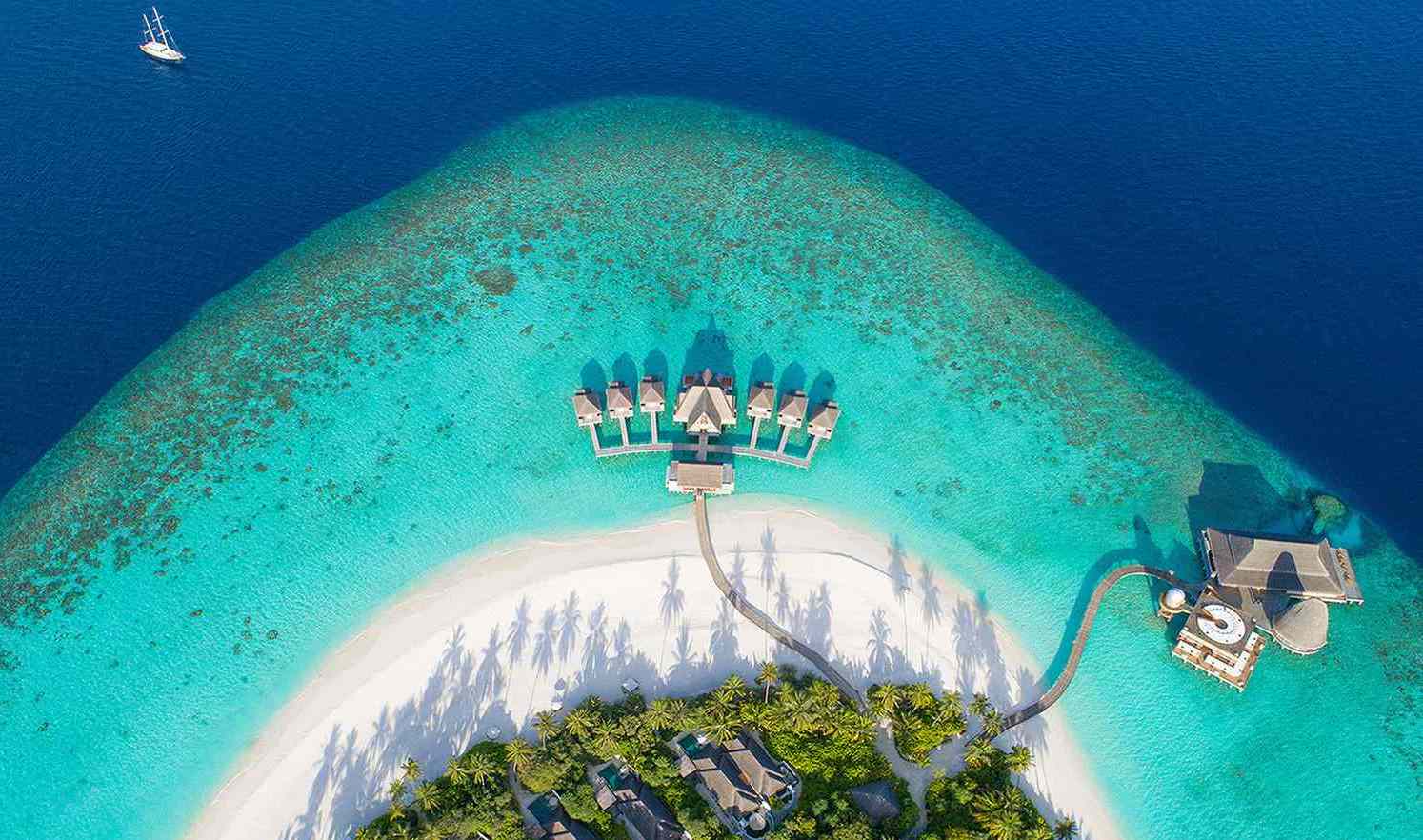
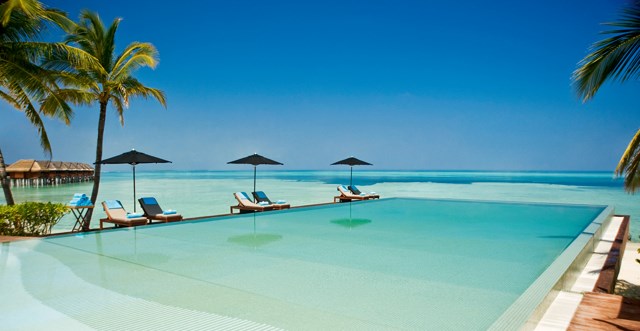
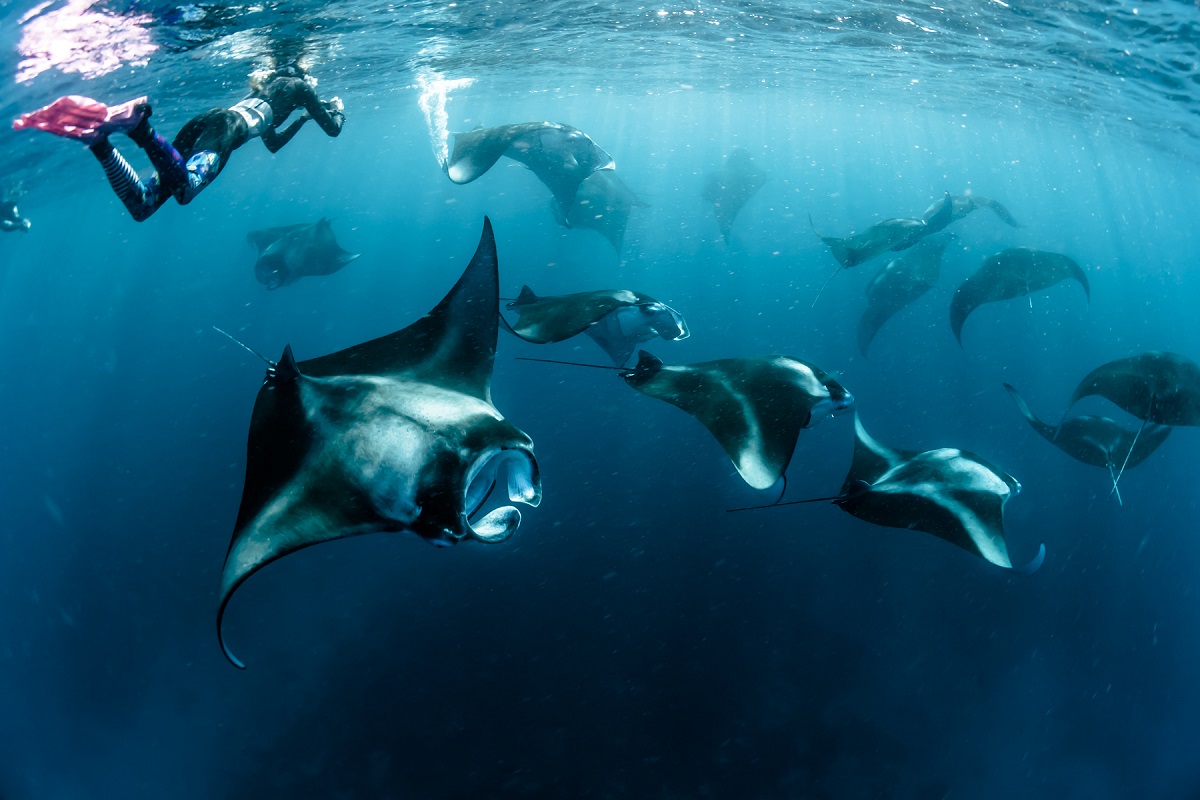
The Maldives is channel diving with grey reef sharks in the morning and an overwater villa in the afternoon. South Ari Atoll is one of the few places on Earth where whale sharks are seen year-round, and Hanifaru Bay in Baa Atoll hosts one of the world’s largest known manta feeding aggregations between May and November — snorkel-only inside the bay, and worth it. The dry-season sweet spot for visibility is November to May. Stay at a Maldives dive resort or cover more atolls on a Maldives liveaboard.
7. Tofo, Mozambique — the big-animal coast
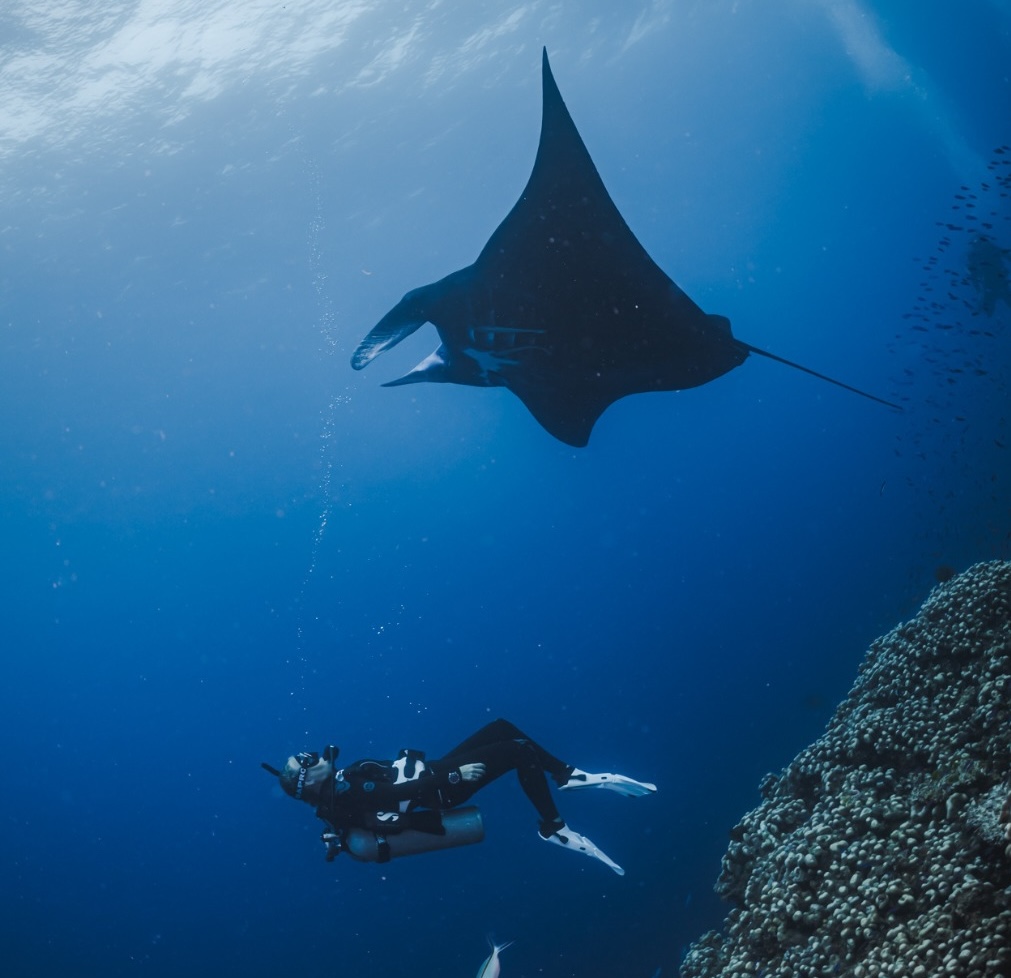
Tofo built its reputation on two animals: reef mantas, present all year, and whale sharks, most reliable from October to March. The diving is oceanic and unpolished (launches through surf, sightings that owe nothing to feeding stations) and that is exactly its appeal. Our Mozambique diving holidays pair it well with a safari.
8. Mafia Island, Tanzania — whale sharks without the crowds
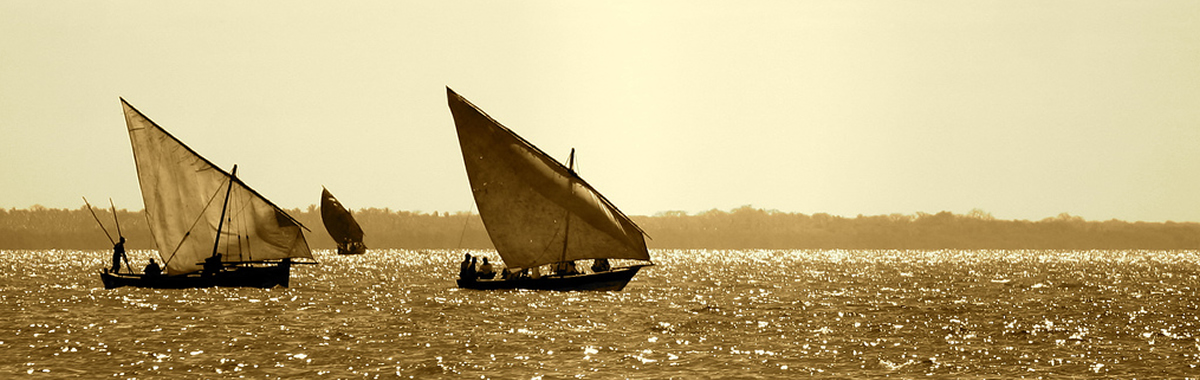
For the same headline animals as the famous spots with a fraction of the visitors, Mafia Island pairs whale-shark season (October to March) with uncrowded reefs inside a marine park established in 1995. Chole Bay’s protected coral gardens suit newer divers; the outer walls stretch everyone else. Mafia Island diving holidays also combines naturally with the Serengeti.
16. Seychelles — granite underwater
The Seychelles dives over granite, not just coral — boulders, arches and swim-throughs patrolled by turtles and eagle rays, with whale sharks passing in the shoulder seasons. April–May and October–November bring the calmest, clearest water. Few destinations on this list pair as well with a honeymoon: see Seychelles diving holidays.
17. Mauritius — walls, wrecks and a serious topside
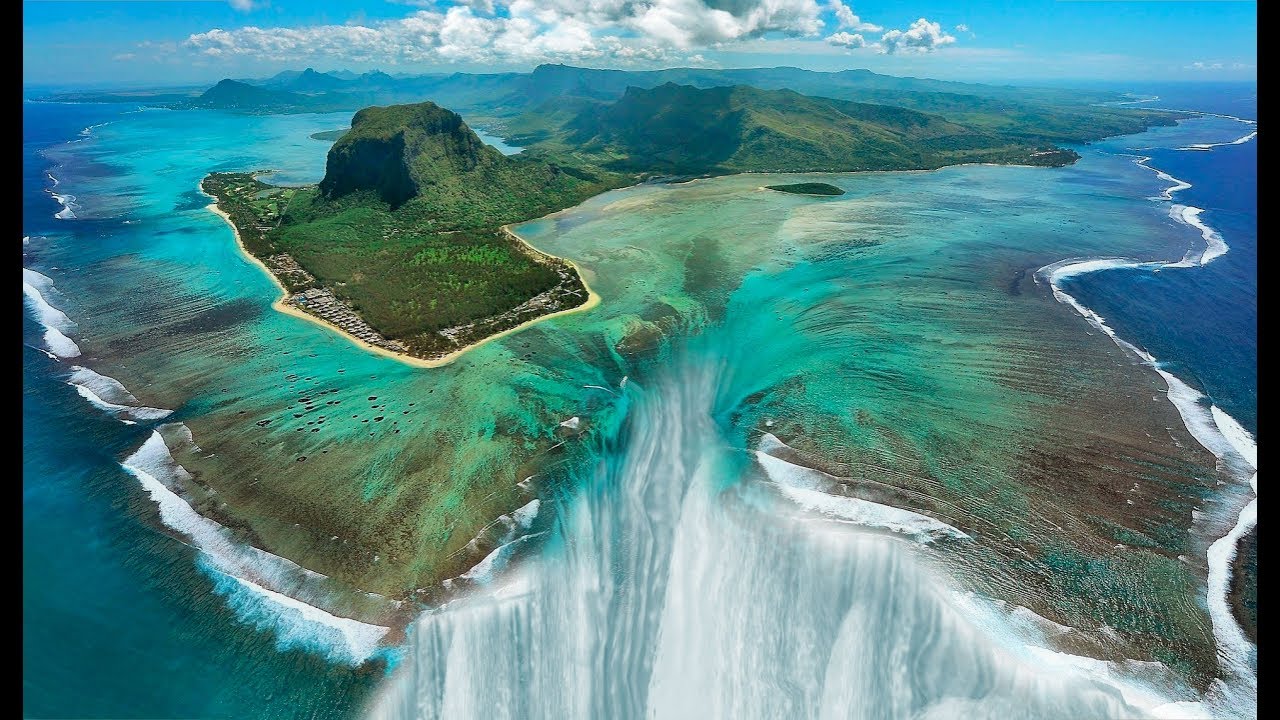
Mauritius rarely gets top billing as a dive destination, and that is precisely why it stays good: uncrowded walls and caverns on the west coast, a cluster of deliberately sunk wrecks, and October to April conditions that suit every level. If half your party dives and half wants a five-star beach holiday, this is the answer. See diving in Mauritius.
20. Nosy Be, Madagascar — off the beaten track
Madagascar’s north-west corner sees whale sharks from September to December, mobula rays in numbers, and reefs that get a fraction of the attention paid to the Indian Ocean’s famous names. Infrastructure is simpler and sightings feel earned — the right destination for divers who measure a trip by how few other boats they saw. See Madagascar diving.
The Caribbean and the Atlantic: walls, wrecks and easy water
9. Little Cayman — Bloody Bay Wall
Bloody Bay Wall begins at about six metres and drops sheer past three hundred. Hanging over that edge in gin-clear water is a dive people remember, and because Little Cayman has more resident divers than residents, the sites stay in good condition. November to July brings the calmest seas. See Little Cayman diving holidays.
10. Bonaire — the shore-diving capital of the world
Bonaire’s entire leeward coast is a marine park with numbered sites you drive to, gear up, and walk in — no boat, no schedule, as many dives a day as your computer allows. It sits below the main hurricane belt and dives well all year. For newly qualified divers wanting mileage, or old hands who hate being herded, nothing else works quite like it. See Bonaire diving holidays.
11. Cozumel, Mexico — effortless drift
Cozumel’s marine park runs on a conveyor of gentle current: you drop in, the island moves past (sculpted coral buttresses, eagle rays, the endemic splendid toadfish) and the boat meets you at the other end. December to April is high season with the best visibility. Few places make advanced-feeling diving this easy. See Mexico diving holidays.
12. Belize — the Blue Hole and better
The Great Blue Hole is the photograph everyone knows, and the honest advice is that it is a bucket-list descent rather than a great dive — the best diving in Belize is the reef around it: Half Moon Caye’s walls, Turneffe Atoll’s channels, and whale sharks gathering off Gladden Spit around the full moons of April to June. The barrier reef here is the largest in the northern hemisphere. See Belize diving holidays.
13. Turks & Caicos — walls and passing humpbacks
Grand Turk and West Caicos offer classic vertical wall diving on the edge of a 2,000-metre channel, and between January and April humpback whales pass close enough that their song is the soundtrack to your dive. November to April is the season; the islands’ low-key luxury suits couples. See Turks & Caicos diving.
The Pacific: big-animal country
4. Galapagos — the big-animal capital of the world
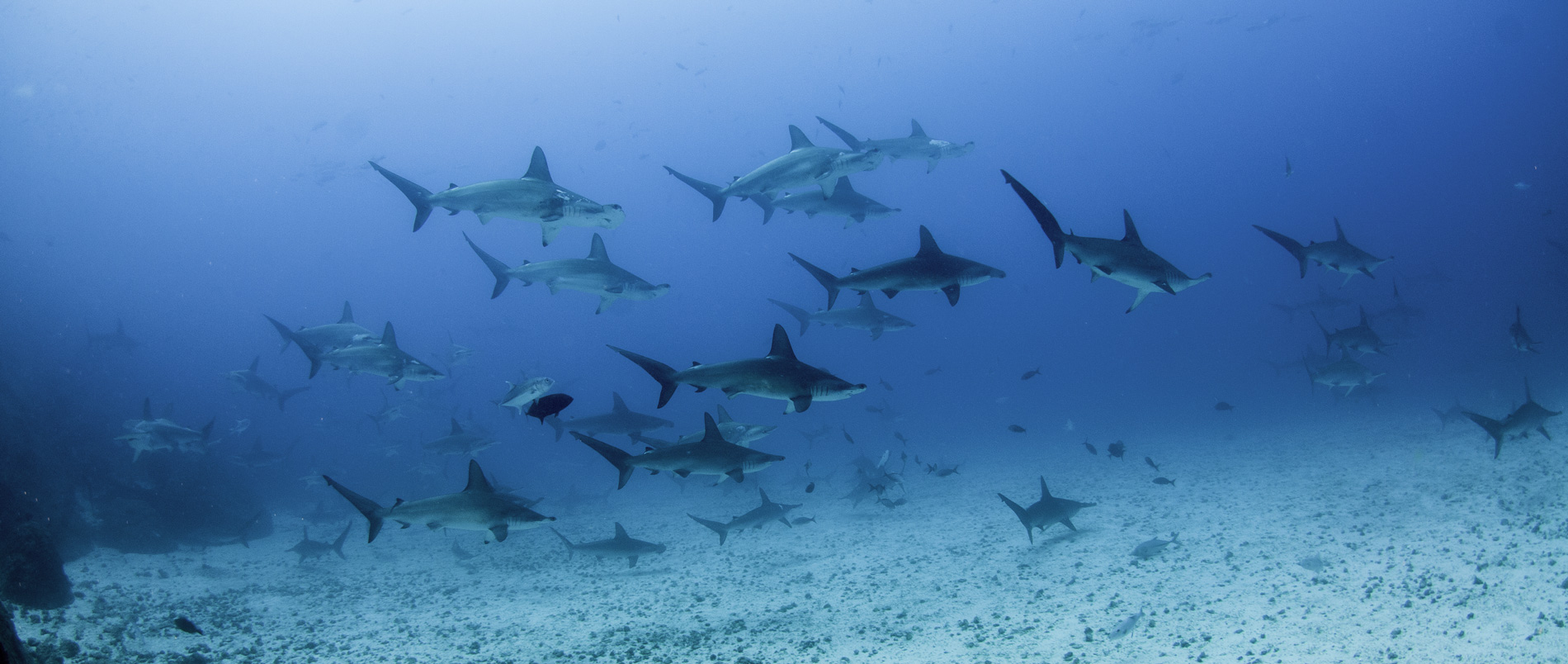
Nowhere concentrates large marine life like the Galapagos. Between June and November, cold nutrient-rich currents bring schooling hammerheads in their hundreds to Darwin and Wolf, along with whale sharks, silkies and dolphins — while sea lions, marine iguanas and penguins fill the shallows year-round. Conditions are demanding: cold thermoclines, surge and current make this an advanced trip, and the far-northern islands are liveaboard-only. It is also the most expensive destination on this page, and nobody comes back feeling short-changed. See Galapagos diving holidays.
Europe: the short-haul surprise
19. Malta & Gozo — Europe’s wreck capital
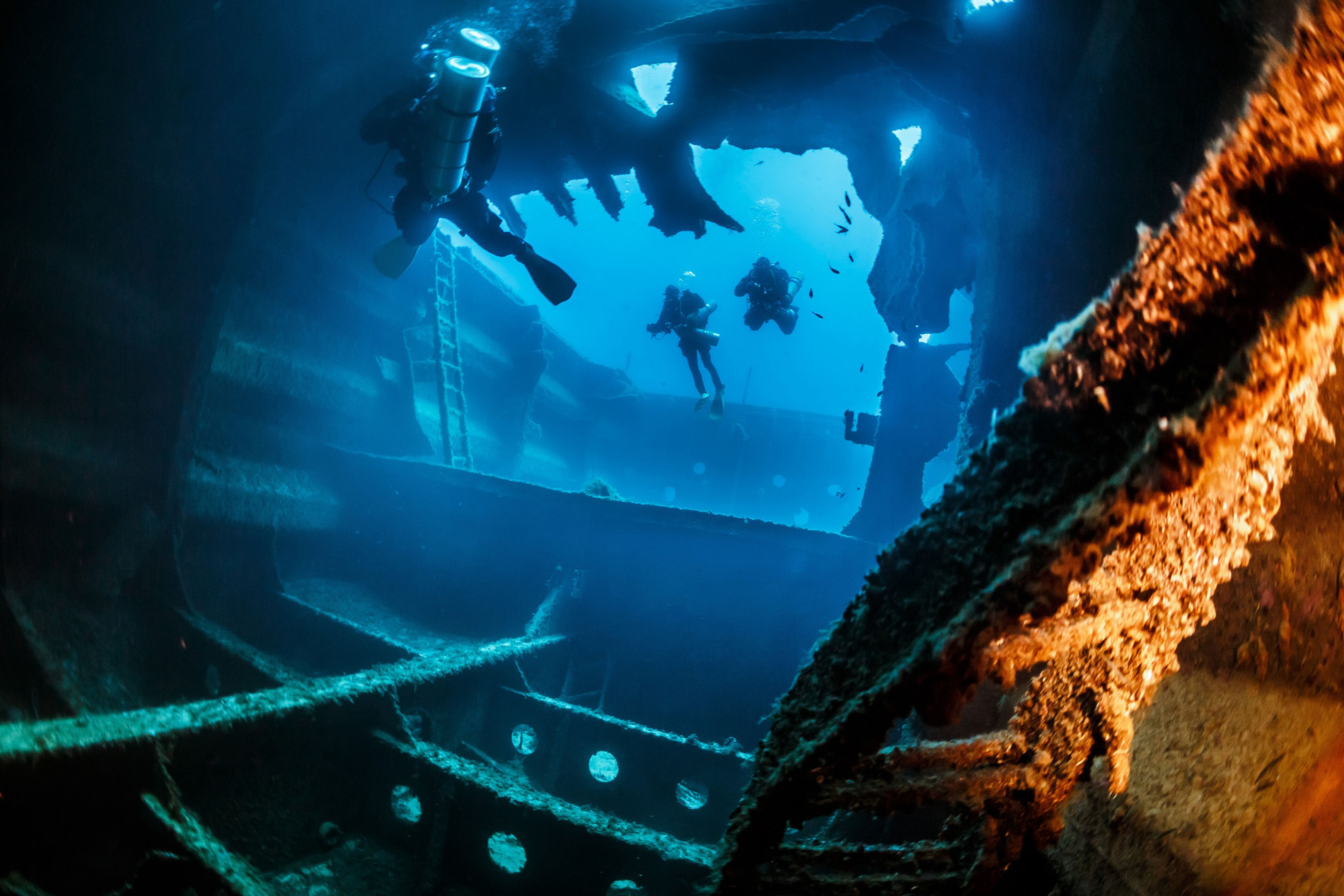
Three hours from the UK, Malta has spent two decades deliberately sinking ships onto clean sand in clear, tideless Mediterranean water — the Um El Faroud off Malta and the P29 and P31 patrol boats off Comino among the best known — alongside Gozo’s caverns and the Inland Sea tunnel. May to October offers 20–26°C water and 30-metre visibility on the right day. It is the strongest answer in Europe to “good diving without a long-haul flight.” See Malta diving holidays.
14. Daymaniyat Islands, Oman — Arabia’s best-kept secret
An hour off Muscat, the Daymaniyat Islands nature reserve gathers turtles in nesting numbers, leopard sharks on the sand, and (from September to November) whale sharks feeding on plankton blooms. It remains strangely unknown for diving this good at an eight-hour flight. See Oman diving holidays.
Close calls — five more we happily sell
A top twenty means leaving out places we rate. Grenada is the wreck-diving capital of the Caribbean — the 180-metre Bianca C is the largest divable wreck in the region. Cape Verde delivers Atlantic big-fish action six hours from the UK. Kenya’s Watamu Marine Park pairs reef diving with a safari better than anywhere. Spain and Italy hold Europe’s best marine reserves for a long-weekend diver. None would embarrass this list on its day.
The famous names we left out — and why
An honest ranking should say what it excluded. The Great Barrier Reef is vast and parts of it remain superb, but repeated mass-bleaching events over the past decade mean quality now depends heavily on exactly where you dive and when — and from the UK it is the longest journey on this page for less certainty than Raja Ampat, which is closer to the same flight time and richer underwater. The Philippines holds first-rate sites, Tubbataha above all, but the best of it is seasonal-liveaboard-only with long transfer chains, and we don’t currently arrange it — the same applies to Palau and Chuuk, legendary but thirty-plus hours’ travel from the UK. Koh Tao certifies more divers than almost anywhere on Earth, which is exactly the problem: it is a fine place to get a cheap qualification and a poor measure of what diving can be. And Socorro and Cocos are genuine big-animal bucket-list trips we simply don’t sell — if they fit your plans, go with our blessing.
How to choose between them
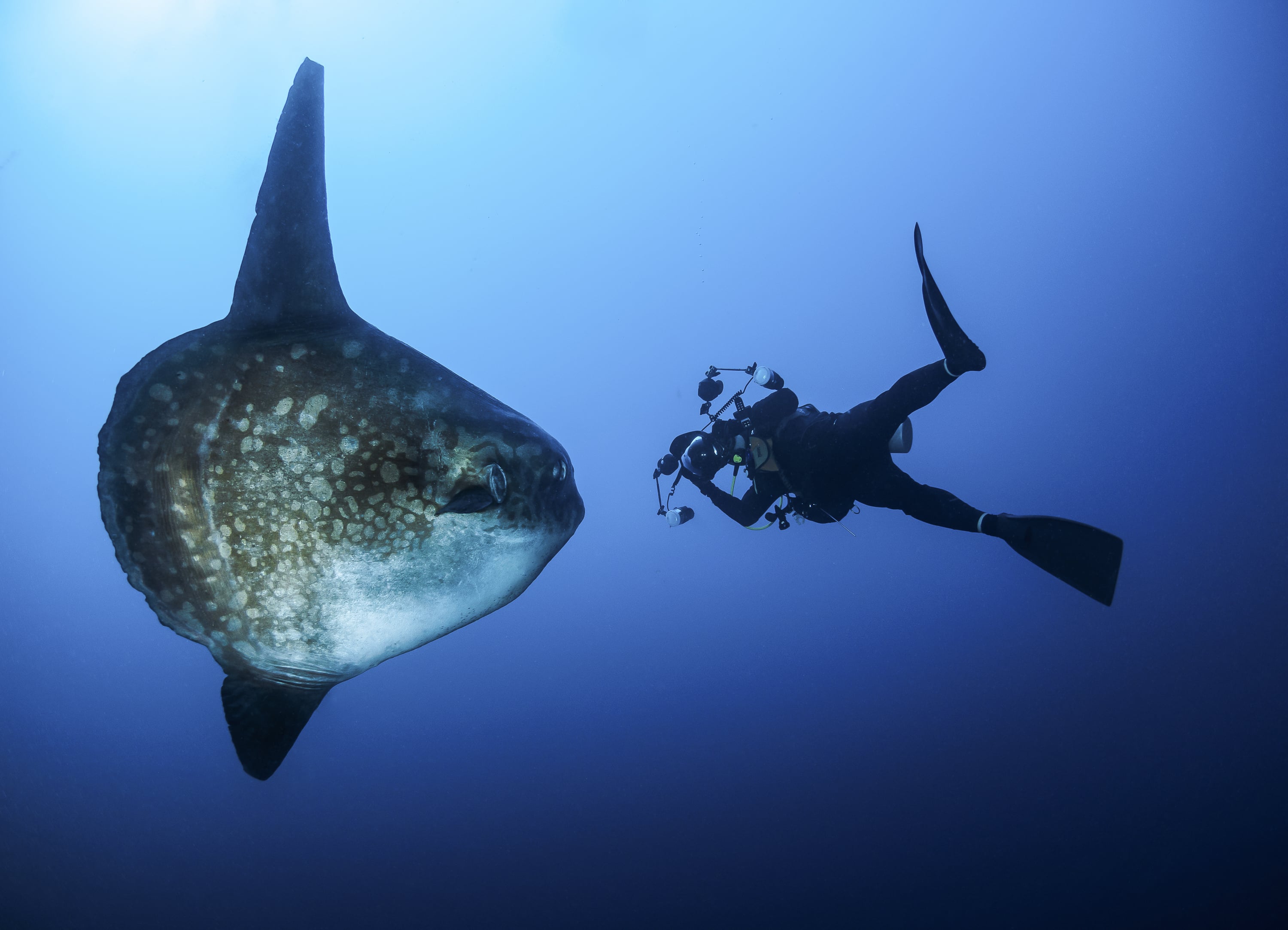
Four questions settle it faster than any ranking. When can you travel? The month index above narrows twenty options to three or four. How many dives have you logged? Raja Ampat, Komodo and the Galapagos reward experience; the Red Sea, Bonaire and the Caribbean walls welcome a brand-new card. What do you want to see? Big animals point to the Galapagos, Mozambique, Mafia and Oman; reefs at their absolute richest point to Indonesia; wrecks point to the Red Sea, Malta and Grenada. And who is coming with you? If half the party doesn’t dive, the Maldives, Mauritius and the Seychelles keep everyone happy; a liveaboard does not.
Browse all our scuba diving holidays — including luxury diving, learn-to-dive holidays, whale shark and manta trips and wreck diving.
Frequently asked questions
Where is the best place to scuba dive in the world?
It depends on the measure. For reef biodiversity, Raja Ampat in Indonesia leads by most scientific counts. For big-animal encounters, the Galapagos between June and November. For the best diving relative to travel time from the UK, the Egyptian Red Sea. Those three answers cover most divers’ definition of “best.”
Where is the best place for a first diving holiday?
The Egyptian Red Sea. Marsa Alam and Sharm el Sheikh combine calm, warm, exceptionally clear water with short flights from the UK and excellent teaching centres — you can complete an Open Water course and still have days of reef diving to spare in a single week. Bonaire and Cozumel are the Caribbean equivalents.
When is the best time of year to go diving?
There is no single season: somewhere first-rate is at its best every month of the year. Use the month-by-month index above: broadly, the Maldives and the Caribbean own the northern winter, the Red Sea and Malta the European summer, and the Galapagos and Komodo the middle of the year.
Where can I dive with whale sharks, and when?
South Ari Atoll in the Maldives has year-round residents. Seasonal aggregations: Mafia Island and Tofo from October to March, Oman’s Daymaniyat Islands from September to November, Nosy Be from September to December, and Gladden Spit in Belize around the April–June full moons.
Liveaboard or resort?
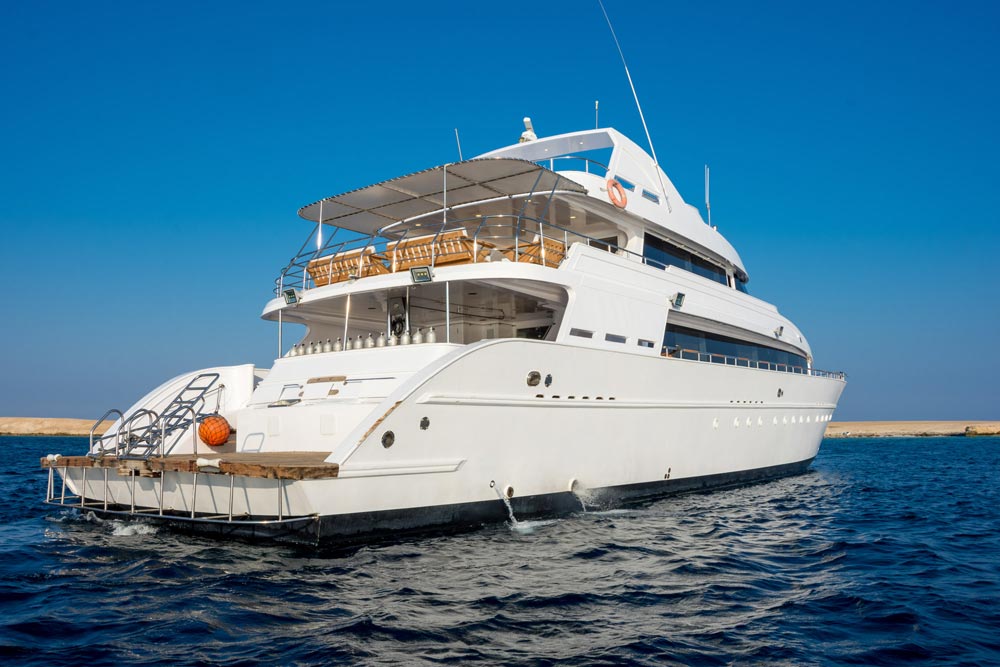
Resorts win for mixed groups, families and anyone who wants a holiday around the diving. Liveaboards win for maximum dives and for the sites day boats cannot reach — and in Raja Ampat and the Galapagos’ far northern islands they are effectively the only way. Many of our clients do one of each in alternating years.
What is the best diving in Europe?
Malta and Gozo, for wrecks in clear, tideless water three hours from the UK. Spain’s and Italy’s marine reserves are the best of the rest.
Is the Great Barrier Reef worth it from the UK?
Only as part of a bigger Australia trip. As a dedicated diving holiday it is the longest journey on this page, and after a decade of repeated bleaching events the quality varies sharply by area — Raja Ampat is a comparable flight time and more consistent underwater.
How many of these destinations have your team actually dived?
All of them. It is the house rule: we do not sell a resort or liveaboard nobody on the team has dived, which is also where the honest caveats on this page come from.
Which one is yours?
That is the honest problem with a list like this — it tells you what exists, not what suits you. Tell us roughly when you can travel, how many dives you have logged and what you want to see, and one of our divers will come back with two or three that fit, and say why the others don’t.
Get a free, tailor-made quote or call +44 (0)1273 921 001.
Free, with no obligation and no booking fee. We’re a UK tour operator, trading since 2001 — every resort and liveaboard we sell has been dived by one of our own team. Mon–Sat, 09:30–18:00 UK · 5★ on Google from 190+ reviews · ATOL protected (T7314) and Travel Trust Association members.