Turks and Caicos is wall diving with a short commute: the drop-off starts in 10 to 14 m of water. Off Grand Turk it lies roughly 275 m offshore and falls past 1,800 m. Water runs 26°C to 29°C, visibility is usually 25 to 30 m, and the flight from the UK is one stop via Nassau.
Two assumptions cause most of the disappointment here. The first is that because the country is small, everything in it must be close together. The second is that February is the obvious month, because of the whales.
What the wall actually is
This is two shallow banks, not one island group. The Caicos Bank carries Providenciales; the Turks Bank carries Grand Turk and Salt Cay, and sits across a channel only about 32 km wide, though Grand Turk itself is some 115 km east of Providenciales. Between the two banks runs the Turks Island Passage, roughly 1,830 m deep. Both banks are limestone platforms with abrupt edges, and those edges are the diving.
The useful detail is how shallow the top of the wall sits. Off Northwest Point on Providenciales the lip is at about 11 m and the ground falls away past 1,800 m. At West Caicos it is 11 to 14 m to the lip, with more than 1,800 m below. Off Grand Turk the reef flat runs at about 9 m, the wall goes over at around 12 m, and beneath it is the passage itself — over 1,800 m of water, which most dive centres round up to the 7,000 feet you will see on their websites. You do not descend to find the wall; you swim out over the top of it at snorkelling depth and look down.
That shape makes for long, unhurried dives: out along the face at 25 to 30 m, back over the lip at 12 to 15 m, and a shallow finish on the reef flat. Current is usually mild. Nitrox is worth having, not because the diving is deep but because you will do a lot of it.
Where you base yourself, and how far the good sites really are
Almost everyone lands on Providenciales, and for most people that is right. The island has the hotel stock along Grace Bay, the dive centres, and the international airport a short drive inland, and the shallow reefs off the beach are good snorkelling for anyone not diving. If you are weighing up diving holidays in Turks and Caicos for the first time, this is the sensible base.
Be clear about one thing. The sites that give Providenciales its reputation are not off Grace Bay. Northwest Point is about 40 minutes by boat from the dock, West Caicos closer to an hour, French Cay an hour and sometimes ninety minutes, and a two-tank morning at West Caicos is a five to six hour commitment door to door. That is a good day out, but it is a day out. Resorts on Providenciales are chosen for the beach, not for proximity to the wall.
Grand Turk is the opposite proposition, and the reason the country has the reputation it does. Cockburn Town sits on the west shore, the drop-off is roughly 275 m out, and boat rides run from five minutes to a maximum of fifteen. You can be back on the dock before the Providenciales boats reach their first site. The trade is everything else: a small, quiet island reached by a half-hour hop on interCaribbean or Caicos Express, with few hotels and little happening after dinner. It works best as three or four nights bolted onto a Providenciales week rather than as the whole holiday, and that is how we usually build it.
| Dive area | Getting there | Top of the wall | What it gives you | The catch |
|---|---|---|---|---|
| Grand Turk (west shore) | About a 30 minute flight from Provo, then 5–15 minutes by boat | Flat at about 9 m, lip at 12 m, over 1,800 m below | The shortest boat rides in the Caribbean; sand chutes, big sponges, turtles | Small island, few hotels, and a flight to reach it |
| Northwest Point, Provo | About 40 minutes by boat from the Provo dock | About 11 m, dropping past 1,800 m | Marine park wall you can reach on an ordinary two-tank morning | Exposed to winter swell, among the first trips cancelled |
| West Caicos | About an hour by boat; 5–6 hours door to door for two tanks | 11–14 m, dropping past 1,800 m | The best-regarded wall off Provo — Elephant Ear Canyon, Spanish Anchor, Driveway | A whole day gone, and it needs a settled sea |
| French Cay | 29 km south of Provo; an hour to ninety minutes by boat | About 12 m | The most reliable place in the country for Caribbean reef sharks | A long crossing with no shelter; dived only on settled days |
What you actually see down there
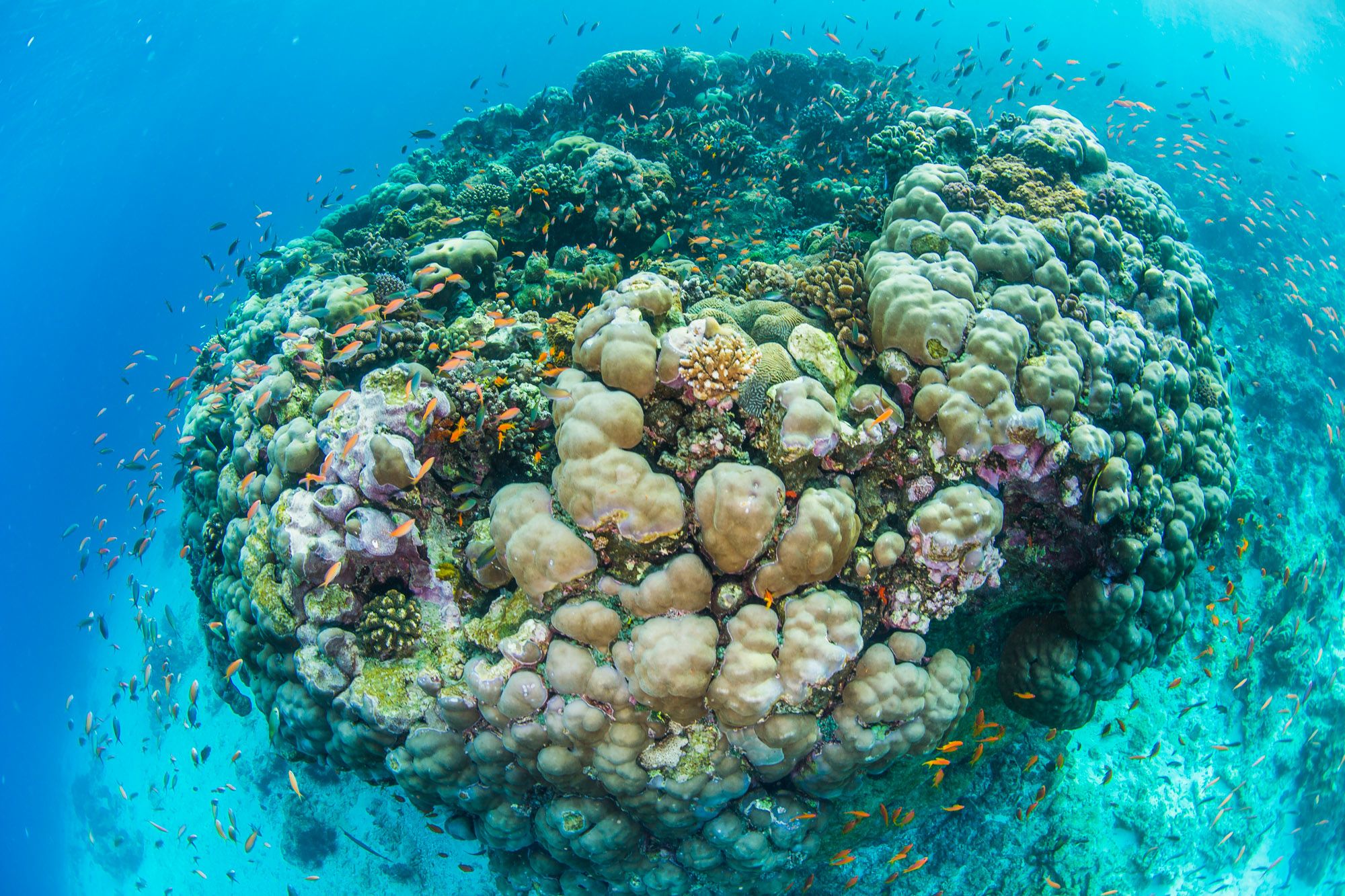
The wall itself is the headline: barrel and elephant ear sponges, gorgonians, black coral deeper down, and sand chutes cutting through the reef flat and spilling over the edge. Visibility off Providenciales is commonly 25 m or better; Grand Turk averages closer to 30 m.
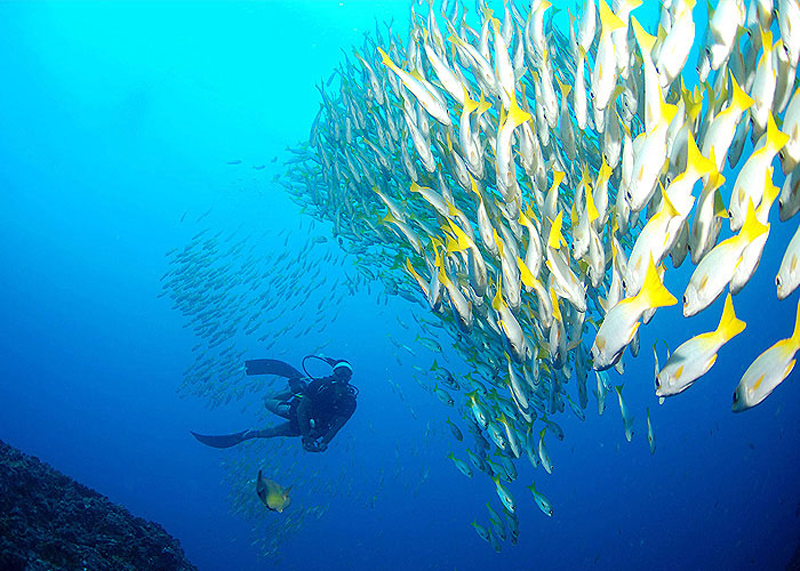
For animals, Caribbean reef sharks and nurse sharks are regulars rather than certainties, with French Cay much the best odds — nurse sharks gather there in numbers to breed in high summer. Hammerhead, lemon, bull and tiger sharks turn up occasionally and nobody can promise you one. Eagle rays, hawksbill and green turtles, grouper and schools of horse-eye jacks fill in the rest. This is not a baited shark dive; if that is what you are picturing, the Bahamas do it properly and this country does not.
One honest note on the coral. Stony coral tissue loss disease reached these reefs in 2019 and affects more than twenty reef-building species. Sponges, gorgonians, fish and the wall structure are unaffected, but the hard coral cover on the shallow reef flat is not what a 1990s guidebook describes.
The whales, and what a whale trip really is
Humpbacks funnel through the Turks Island Passage from late January to early April, with sightings concentrated in February and early March. They are moving to the Silver, Mouchoir and Navidad banks to calve and mate, and the passage pushes them close to the Turks Bank shore. Salt Cay and Grand Turk sit on that line.
Set your expectations properly. This is a boat trip and, where conditions and the operator allow, a snorkel. It is not scuba diving with whales, and it never is anywhere. The environment department publishes a voluntary code of conduct rather than a law, and it asks boats and swimmers alike to stay 50 m off; reputable skippers hold to it and let the whale close the distance if it wants to. Some days you get twenty minutes you remember for years. Some days you see blows at distance and go home.
When to go, and what the weather takes away
The sea is calmest from roughly May to October, and that is when the wall dives most reliably go ahead. The trades blow harder from January to April, but the bigger problem then is the cold fronts tracking off the United States, which put swell onto the north and west coasts and knock visibility down for days at a time. Northwest Point and West Caicos face straight into it.
Against that, hurricane season runs 1 June to 30 November, with the risky stretch running from late August through September and October still live. The islands take a direct hit roughly once every seven years on the long record, and September is the single most likely month for it, which is why it is the month we steer people away from.
So the calendar has a squeeze in it. February and March give you whales, the driest weather of the year and the highest prices, but the windiest sea. September gives flat water and the worst odds. What is left, and what we book most, is May to mid-June and the second half of October into November: settled sea, warm water, the wall sites open, the hurricane peak not yet arrived or gone by. October is the wettest month on the rain chart, so expect a squall or two, but it passes and the sea underneath it does not care. If your leave is fixed in winter, book a Turks and Caicos dive week anyway and accept that a morning or two may be moved onto the sheltered reefs inside Grace Bay or round into the lee of West Caicos.
The liveaboard option, and the winter months it disappears
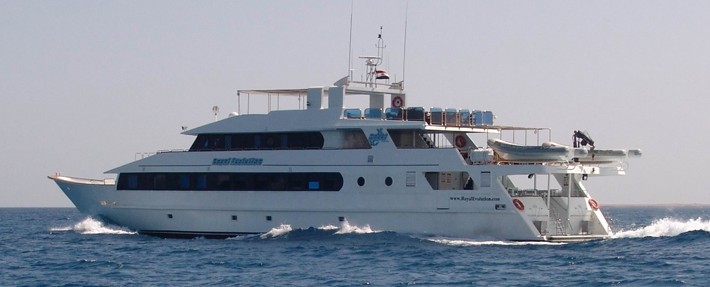
A boat solves the Providenciales commute. Instead of an hour out and an hour back each morning you sleep on the sites, which is the difference between two or three dives a day and five. The Turks and Caicos liveaboards board on Providenciales and work Northwest Point, West Caicos, French Cay and West Sand Spit across five and a half days of diving, weather permitting. Grand Turk appears only on occasional full charters.
Here is the part that catches people out. Both boats working these islands decamp to the Silver Bank in the Dominican Republic for the humpback season. The Explorer II is away through February and March; the Aggressor II leaves earlier and returns later, running whale charters from late January into the first week of April. February and March have no Turks and Caicos liveaboard sailing at all, and the edges of January and April are thin. If your dates are fixed then, plan a land-based week and book the whale trip separately from Grand Turk or Salt Cay.
If the wall is the whole point and you want more sailing dates, Cayman Islands liveaboards cover similar ground with a longer season, and Little Cayman’s Bloody Bay Wall stands comparison with anything here. For more shark activity and more variety of dive, look at Bahamas liveaboards.
What it costs you, in time and in money
There is no non-stop from the UK. British Airways is the only transatlantic service into Providenciales, running from London Heathrow via Nassau with roughly an hour on the ground, on Thursdays and Sundays. Count on eleven to twelve hours gate to gate. The alternative is a US connection through Miami or New York, which adds American immigration to your day.
Two flights a week shapes the trip more than the flight time does. Thursday and Sunday departures mean your realistic options are three, four, seven, ten, eleven or fourteen nights and nothing else, so check the departure day before you book leave. For Grand Turk, add the half-hour inter-island flight at each end and leave real slack around it: there is no public ferry from Providenciales, and a missed connection on a small-aircraft schedule is not easily fixed.
On money, we will not quote a figure in a blog post, but you should know the shape of it. High season runs December to April, when accommodation commonly sits 30 to 50 per cent above the rest of the year. Grace Bay is built around condominium resorts rather than package hotels, there is little budget stock, and almost everything is imported. What the premium buys is short rides to a wall in clear water, small dive groups and a well-run marine park system. If that is not worth it to you, say so early and we will price a week in Grenada alongside it.
Who this isn’t for
If your measure of a good dive holiday is dives per pound, this is the wrong country. Bonaire gives you unlimited shore diving off the back of a pickup truck for noticeably less than the same week costs here. Grenada gives you the Bianca C, a proper spread of reef and wreck diving, and a gentler bill. Neither has a wall like this one, and for plenty of divers that trade is the right way round.
If you are coming for sharks in numbers, set the expectation now. The reef sharks at French Cay are real, but they are background rather than the event, and French Cay only goes on settled days. The Bahamas run structured shark diving properly and predictably; our guide to the Bahamas walls, blue holes and shark sites sets out how that differs from what happens here.
And if your leave is locked to February or March and you want whales plus a full dive programme from a boat, you cannot have both here. The liveaboards are away at the Silver Bank, the cold fronts are running, and part of the week will be spent on sheltered reef rather than on the wall. Book the whales as the trip and treat the diving as the bonus, or move the dates.
Who it does suit: divers who want clear water, easy profiles and vertical topography without a long ride to reach it, and who would rather do fewer, better dives than grind out numbers. You do not need a deep logbook for it — the top of the wall sits inside Open Water limits and the centres here are used to taking people straight onto it. If that is you, and particularly if you let us add a few nights on Grand Turk to a Providenciales week, the wall here is one of the few places in the Caribbean where the marketing and the diving line up. Late spring and the back half of autumn are when we would send you.
Frequently asked questions
How do you get to Turks and Caicos from the UK?
There is no non-stop. British Airways is the only transatlantic service to Providenciales, flying from London Heathrow via Nassau with about an hour on the ground, on Thursdays and Sundays. Allow roughly eleven to twelve hours gate to gate. The alternative is a connection through a US hub such as Miami or New York, which means clearing American immigration en route.
Is Providenciales or Grand Turk better for diving?
Grand Turk has the better diving logistics by a wide margin: the wall is about 275 m off the west shore and boat rides run five to fifteen minutes. Providenciales has the hotels, restaurants and flights, but its best sites — Northwest Point, West Caicos and French Cay — are 40 minutes to an hour and a half out by boat. Most people base on Provo and add a few nights on Grand Turk.
When can you see humpback whales in Turks and Caicos?
Late January to early April, with February and early March the peak. The whales move through the Turks Island Passage between the Caicos and Turks banks, heading for the Silver, Mouchoir and Navidad banks to calve and mate. Salt Cay and Grand Turk are the best bases. It is a boat trip and sometimes a snorkel, never a scuba dive, and a voluntary 50 m approach code applies to boats and swimmers alike.
What wetsuit do you need for diving in Turks and Caicos?
A 3 mm full suit covers most of the year. Water sits at roughly 26°C in February and March and reaches about 29°C from August into October. If you are doing four or five dives a day from a liveaboard, a 5 mm or a 3 mm with a vest is more comfortable, mainly because of repeated surface intervals in the wind rather than the water itself.
Do you need an Advanced qualification to dive the wall?
Usually not. The top of the wall sits at about 9 to 14 m depending on the site, so an Open Water diver can dive it within the 18 m limit and still see the drop-off. Advanced or equivalent opens up the deeper part of the face at 25 to 30 m, which is where most guided profiles go. Centres will ask about recent experience if you have been out of the water a while.
Planning a Turks and Caicos dive week
Tell us your dates and how many dives you want to log. We will say plainly whether Providenciales, Grand Turk, a split week or a liveaboard fits, price the realistic options side by side, and flag any week the weather works against you.
Free, with no obligation and no booking fee. We’re a UK dive tour operator, trading since 2001 —
every resort and liveaboard we sell has been dived by one of our own team. Mon–Fri, 09:00–18:00 UK ·
ATOL protected (T7314) and Travel Trust Association members.