Oman has three dive regions, two of which matter for most UK trips. The Daymaniyat Islands, an hour or so by boat from Muscat, give warm, gentle reef diving with turtles and seasonal whale sharks. Musandam, at the mouth of the Strait of Hormuz, is deeper and current-swept. Water is warm year-round but cooler in winter, and visibility is variable.
What is the difference between the Daymaniyat Islands and Musandam?
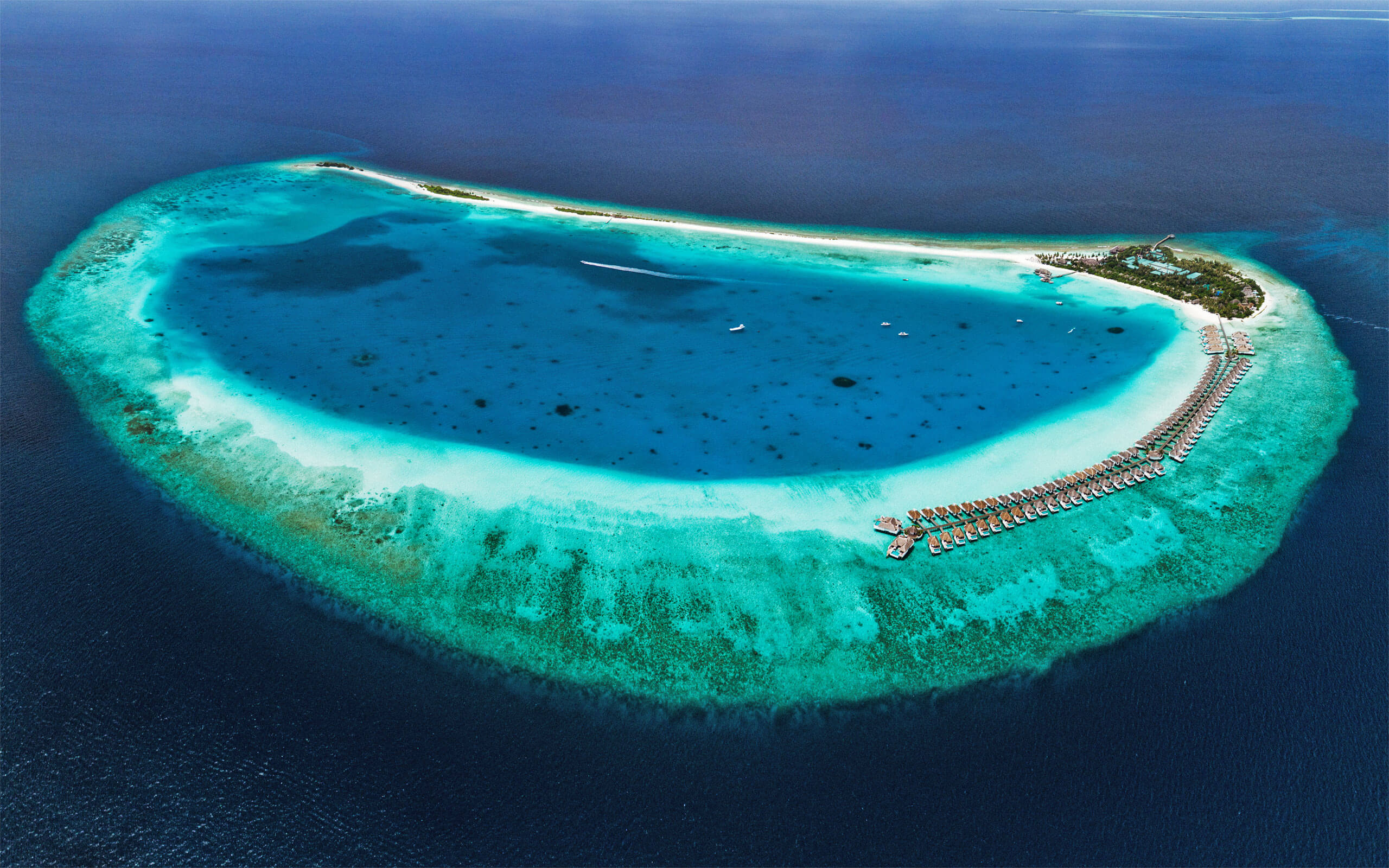
The Daymaniyat Islands are a chain of low, uninhabited islands off the coast north-west of Muscat, inside a marine nature reserve. Diving them is day-boat diving: leave a marina after breakfast, forty-five minutes to an hour and a half at sea, two dives, back for a late lunch. The sites are hard coral gardens, boulder slopes and sand channels in the eight to twenty-five metre range, and turtles turn up on most dives. It is unhurried diving.
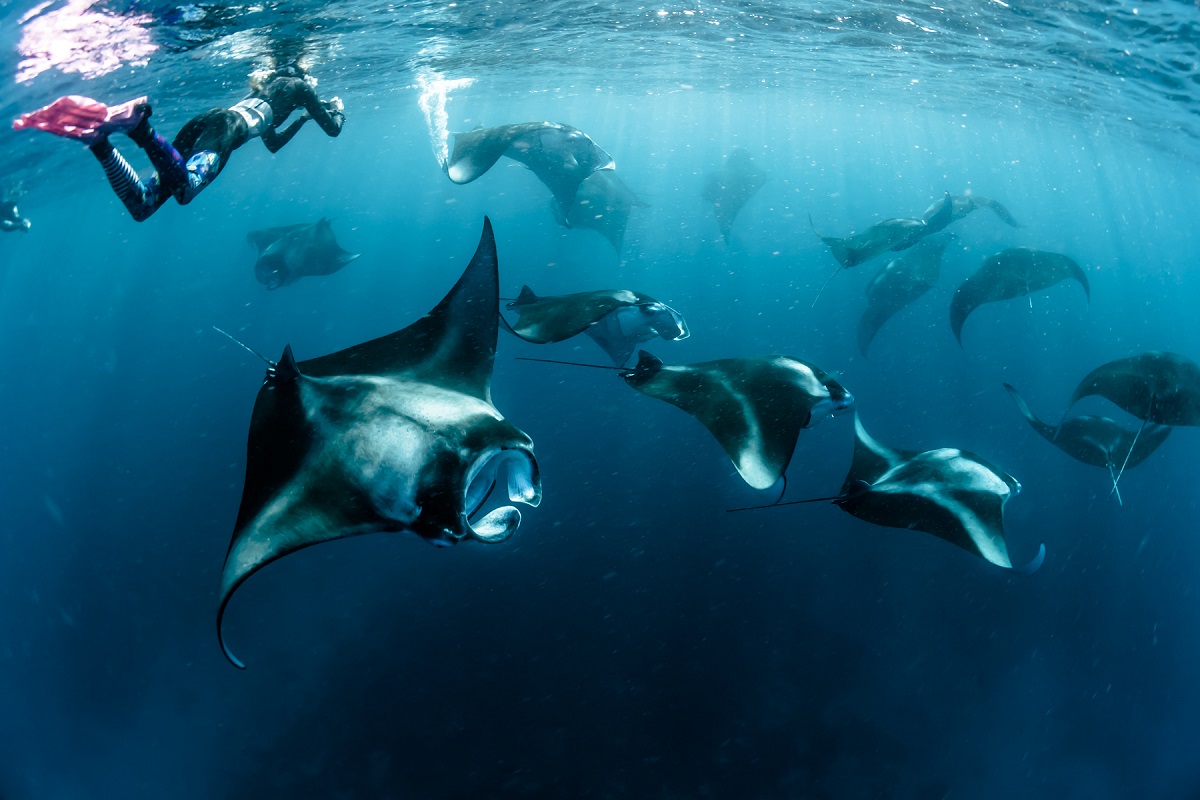
Musandam is a different country in everything but the passport: the Omani peninsula at the mouth of the Strait of Hormuz, cut off from the rest of the country by the UAE, reached by road from Dubai or a domestic flight to Khasab. The coast is a run of steep-sided inlets with almost no shallow reef. You dive rock walls and offshore pinnacles standing in deep, moving water, and the day is defined by the current: walls of fusiliers and jacks, rays passing through, and sometimes water thick enough with plankton to taste. It rewards divers happy to be carried along a wall rather than fight it.
Almost everyone books one or the other. Covering both in a fortnight means an internal flight or a leg through the UAE, which is why the Oman diving holidays we put together usually base on Muscat and treat Musandam separately.
When to go
Northern Oman dives all year, but the year has a shape. From late spring through autumn the water is warmest, mornings are often flat, and this is when whale sharks are most often reported around the Daymaniyats. Nobody should book a week on the promise of a sighting. It is also when inland air temperatures turn punishing, so a trip that mixes diving with the rest of the country works better at the season’s shoulders.
Winter, roughly December to March, brings cooler water and more days when the sea gets up and boats stay in. It also brings the most comfortable weather on land by a distance, so if the plan involves wadis, forts and a night in the desert, this is the half to choose.
The far south around Salalah runs on a separate calendar because of the khareef, the monsoon that closes that coast for much of the summer; it is a specialist trip rather than a first visit. One note for the north: the Daymaniyats are a protected reserve, so dive centres arrange permits as routine and landing is restricted during turtle nesting. The diving carries on.
What the water does through the year
The temperature swing surprises people who assume Arabia means bath water. At the coldest point of winter the surface can sit in the low-to-mid 20s°C; by late summer it is up around 30°C. That swing decides what goes in the bag – a 5 mm suit and a hood for a January week, a 3 mm at the back end of summer.
The complication is underneath. This coast sits alongside a system of cold upwellings, and you can drop through a thermocline into water noticeably colder than the surface reading suggested. In Musandam that step can be sharp enough to end a dive early. We would rather you travelled with more neoprene than you need and used none of it.
Daymaniyat Islands or Musandam: which to book
The two regions answer different questions. This is the comparison we draw most weeks.
| Daymaniyat Islands (Muscat) | Musandam (Khasab or Dibba) | |
|---|---|---|
| Getting there | Direct flights from London, short transfer | Drive from Dubai, or a domestic flight to Khasab |
| A diving day | Day boat, two dives, back by early afternoon | Day boat or dhow, two dives, longer on the water |
| The diving itself | Coral gardens and sand channels, 8–25 metres | Rock walls and pinnacles, deep water close in |
| Current | Usually mild | Often strong and changeable |
| Visibility | Better on average, still unpredictable | Plankton driven, can be poor for days |
| Signature sighting | Turtles most dives, whale sharks in season | Dense schooling fish and rays |
| Experience needed | Fine for newly qualified divers | Better once you have dived in current |
| Non-diving partner | Strong – Muscat fills a week easily | Thin – Khasab is small and quiet |
Is the visibility any good?
Sometimes excellent, often middling, occasionally poor. We have had days at the Daymaniyats where you could see the far end of a reef and days in the same month under ten metres. Musandam swings harder again.
The reason is what makes the diving worth doing. This water is fed by nutrient-rich upwellings, and plankton is what draws in everything from the fusilier shoals to the whale sharks. Places with reliably huge visibility have it because little lives in the water column. You do not get both. If you have just come back from the Maldives, there will be mornings here that feel murky.
So give yourself more days. Four or five diving days rather than two improves the odds of one flat, clear morning.
Adding a few dives to a holiday that is not about diving
This is where Oman earns its keep. We sell more diving holidays in Oman to mixed groups than to hardcore dive parties. Muscat is a long-haul destination that does not feel like one: direct flights from London of seven to eight hours, and a three-hour time difference in the British summer, so nobody loses a day to jet lag.
Because the diving is a two-tank morning, the afternoon comes back to you. A week holds three diving days plus the Grand Mosque, the souq at Mutrah, a night in the Wahiba Sands and a wadi or two. Harder to pull off in most Red Sea towns, where the diving is the town.
It also works when only one of you is certified, which is why a fair share of the family dive holidays we book here have one diver in the party. The sheltered inlets at Bandar Khayran are calm enough to be a sensible place to learn to dive, though a Red Sea course normally costs less. Bandar Khayran also holds the Al Munassir, a former navy landing ship sunk as an artificial reef at around thirty metres.
Who this isn’t for
If your idea of a good week is twenty-five metres of visibility every day, warm water in December and a house reef you can swim to, Oman will disappoint and the Red Sea will not. Marsa Alam does that job better and usually cheaper, and Egypt has the walls and the soft coral colour Oman largely does not.
If you want four or five dives a day and a boat that keeps moving, the day-boat model will frustrate you. An Egypt liveaboard gives you more diving per day for the money, and you sleep where you dive.
If you are newly qualified and set on Musandam because of the photographs, we would push you gently towards the Daymaniyats first. Musandam is a better week once you have dived in current, and it will still be there in two years’ time.
Frequently asked questions
When is the best time to dive in Oman?
Northern Oman dives all year. Late spring through autumn brings the warmest water and the best chance of whale sharks around the Daymaniyat Islands, though sightings are never guaranteed. December to March is cooler in the water but far more comfortable on land, which suits a trip that also takes in wadis and the desert. The far south around Salalah runs on a different calendar and is largely closed by the khareef in summer.
How cold does the water get in Oman, and what wetsuit should I take?
Around 22°C at the coldest point of winter, rising to close to 30°C by late summer. Cold upwellings mean a thermocline can put the water several degrees below the surface reading, particularly in Musandam. A 3 mm suit covers late summer; take a 5 mm and a hood for a winter week, and expect to be glad of it.
Is the visibility good when diving in Oman?
It is variable, and that is the honest answer. Good days at the Daymaniyat Islands let you see the far end of a reef; other days in the same month drop under ten metres, and Musandam swings more sharply again. The nutrient-rich water that limits visibility is the same water that feeds the fish life. Booking four or five diving days rather than two is the practical protection against a poor spell.
Can I dive both the Daymaniyat Islands and Musandam on one holiday?
It is possible but rarely worth the effort. Musandam is separated from the rest of Oman by the UAE, so linking the two means an internal flight from Muscat to Khasab or a road leg through Dubai with a border crossing. Most people base themselves in Muscat for the Daymaniyats and keep Musandam for a trip of its own.
Is Oman worth booking if only one of us dives?
This is probably its strongest argument. Boats out of Muscat run two-tank morning trips and are back by early afternoon, so one person can fit three or four diving days into a week without the holiday becoming a dive trip. Muscat itself, the Wahiba Sands, the wadis and the mountains fill the rest of the time for anyone not getting in the water.
Not sure which half of Oman suits your week?
Tell us your dates and how many dives you actually want, and we will tell you whether Muscat, Musandam or somewhere else entirely is the better trip. If Oman is the wrong answer for the time of year you can travel, we would rather say so now than sell you a week of poor visibility.
Free, with no obligation and no booking fee. We’re a UK dive tour operator, trading since 2001 —
every resort and liveaboard we sell has been dived by one of our own team. Mon–Fri, 09:00–18:00 UK ·
ATOL protected (T7314) and Travel Trust Association members.