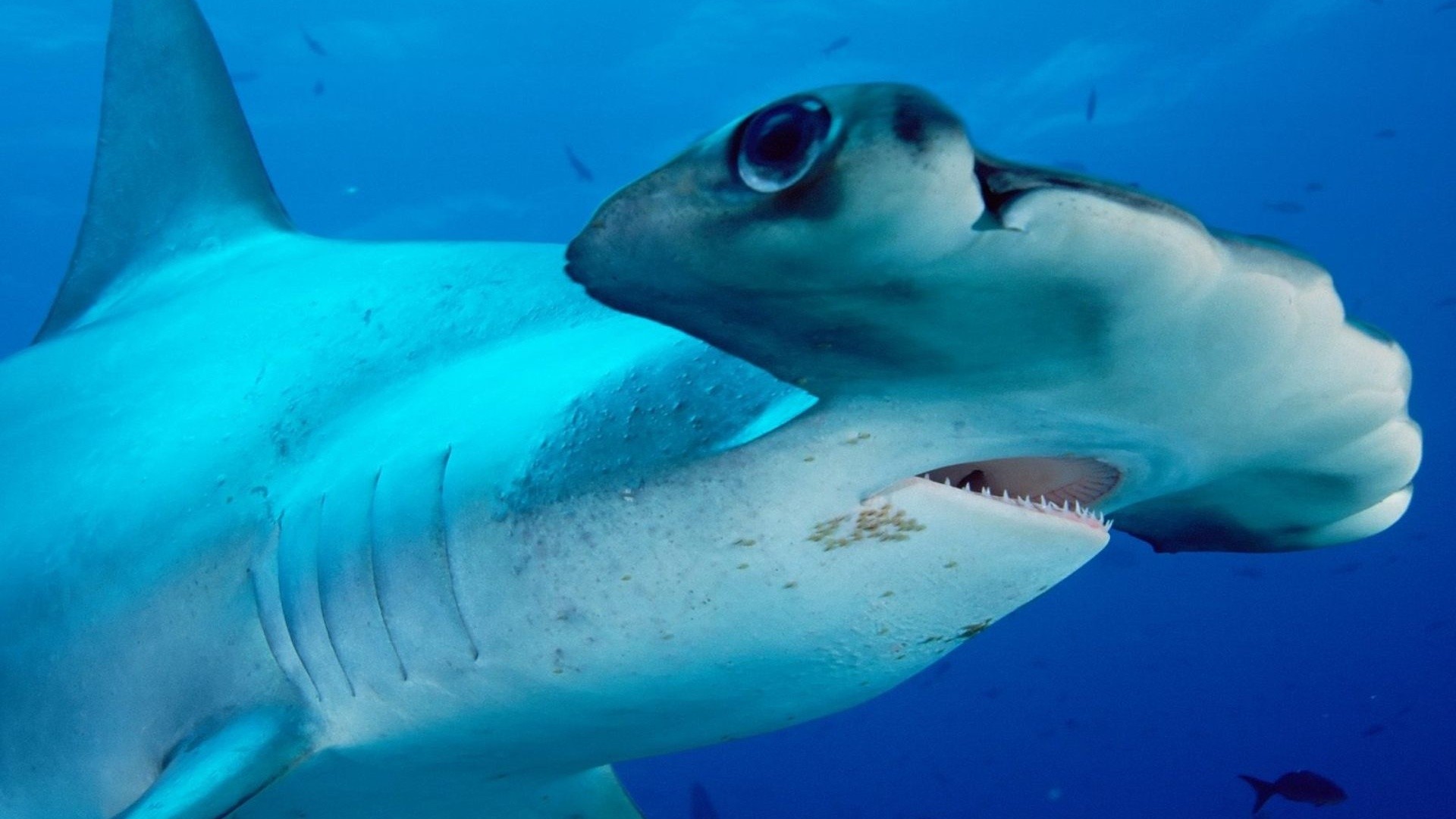
Cocos Island is a liveaboard-only trip: roughly 550 km off Costa Rica, with a crossing of 30 to 36 hours each way from Puntarenas. You go for schooling scalloped hammerheads at Bajo Alcyone and Dirty Rock, in current and cool thermoclines rather than reef. Trips run eight to eleven nights and most boats want at least 50 logged dives.
Most people who ring us about Cocos have already read about the hammerheads. What they want to know is the other half: a day and a half at sea in each direction, and whether that is worth paying. For plenty of divers it is not.
Where Cocos Island is, and how you reach the boat
Cocos lies roughly 550 km (about 300 nautical miles) south-west of the Costa Rican mainland, on its own in the eastern Pacific. It is a national park and UNESCO World Heritage Site, uninhabited apart from the rangers. There is no airstrip, no hotel, no dive centre and no day-boat option. All the Cocos Island liveaboards sail from Puntarenas, roughly two hours by road from San José.
From the UK, San José is around 11 and a half hours nonstop when a direct service is running, and 15 to 18 hours of journey time via Madrid or a US hub. We put people into a hotel near the port the night before departure: the boat sails with or without you, and a delayed bag has nowhere to catch you up.
What the crossing is really like
Allow 30 to 36 hours each way, and more when the sea is up. This is open Pacific with nothing to hide behind: no islands, no shelter, no ducking into a bay because someone feels rough. The Cocos Aggressor and Okeanos Aggressor II both ride it better than people expect, but no hull makes 300 nautical miles of swell feel short.
On the way out you sleep, build cameras, sit through briefings and watch the water. Phone signal goes within sight of the coast, and satellite internet depends on the boat. If you are prone to seasickness, start whatever you use before you leave the dock rather than after you feel it – patches and tablets both work far better taken early. The run home has one quiet advantage: it comfortably covers the 18-hour surface interval that DAN recommends after several days of repetitive diving, which a shorter trip elsewhere often does not.
How many days you actually dive
Subtract the sea time and the brochure numbers change shape. An eight-night trip leaves about five days at the island; ten or eleven nights buys seven or eight. The Costa Rica liveaboard itineraries we sell run across that range (eight nights on the Okeanos Aggressor II, ten nights on her and on the Cocos Aggressor) and the gap matters more than it looks: two extra nights is roughly six more dives, and it is often the third or fourth day at the island before the hammerheads settle into a pattern.
Expect three or four dives a day once you are there, plus the night dive at Manuelita. An eight-night trip works out at somewhere around 15 dives, a ten-night trip nearer 21. Add flights and a buffer day and the shortest sensible trip from the UK is about 11 days door to door, while the ten-night charter wants a clear fortnight. If you have the leave, take the longer one: the short charter spends exactly the same three days at sea for two fewer days of diving, which is the worst ratio on offer.
What a dive at Cocos feels like
Nothing is dived from the mother ship. You board a panga, ride out, roll in and get down quickly (often on a line, sometimes negatively) because hanging about above a seamount in current achieves nothing. You reach the rock, find a handhold out of the flow and wait. Most dives here are a fast descent, twenty or thirty minutes holding station watching blue water, then a drift off the top and a safety stop with no reference at all.
The water is warm on top and not underneath. The surface sits at roughly 24 to 29°C across the year, and a thermocline can take that to 21 to 23°C without warning, occasionally colder. A 5 mm suit with a hood is the sensible floor, and plenty of regulars dive 7 mm here and are glad of it. Visibility runs from about 10 m in green, plankton-heavy water to 25 or 30 m when it turns blue.
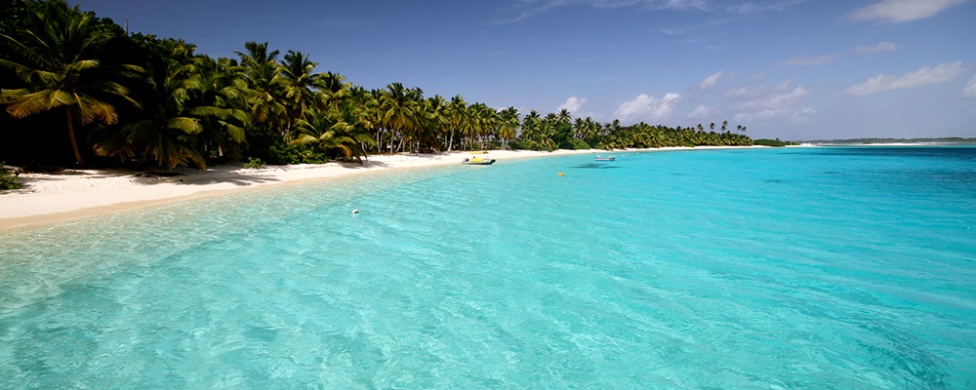
What Cocos is not is a reef holiday. Above the waterline it is rainforest and waterfalls, one of the wettest islands in the Pacific; below it, the sites are grey volcanic rock, hard coral is limited to a few shallow patches, and the scenery is the water column and whatever is moving through it. Bring a torch, a long delayed SMB and a computer you trust: pickups happen in open water and profiles are deep and repetitive. Some boats now ask for a personal locator beacon, and others hand one to you on board.
Where the hammerheads school, and what else turns up
Bajo Alcyone is the site people come for: a seamount whose top sits at roughly 25 m and falls away well past 40, with no reference to the surface and often serious current. You go down the line, tuck in behind the rock and watch the cleaning stations. When it works, scalloped hammerheads come through in numbers that make people forget to check their gas. When it does not, you spend forty minutes looking into empty blue, and that happens too.
Dirty Rock is the more forgiving of the two headline sites, dived between about 15 and 35 m, with hammerheads over the cleaning stations and bigeye trevally stacked in the hundreds. Manuelita has two personalities: the outside, at 20 to 35 m in current, for hammerheads and Galapagos sharks; and the sheltered coral garden, which after dark fills with whitetip reef sharks hunting in packs. That night dive is the one most people talk about on the way home.
Beyond those, expect silvertips, silky sharks circling the safety stop, marbled rays, squadrons of eagle rays and mobulas, and tiger sharks, which have become a regular sight around Manuelita in recent years. Whale sharks are reported most often in the second half of the year, and bottlenose dolphins work the pinnacles. On the sand at the shallow sites sits the rosy-lipped batfish, found nowhere else.
When to go, and what you trade
There are two broad seasons and the choice between them is a real trade-off. From roughly June to November the water is greener and richer, the hammerhead schools are at their biggest and whale shark reports cluster in these months. You pay for it in rain, rougher crossings and visibility that can sit at 10 to 15 m. August to October is the peak of both the animal density and the swell.
From about December to May the crossings are kinder, the water is bluer and 20 to 30 m of visibility is common. Hammerheads are still there, generally in smaller groups. If this is your one trip and the schools are the point, take the rougher months; if you need light and clean water for photography, or you know you suffer at sea, take the calmer ones and accept fewer animals.
What the operators will ask of you
Most boats set an advanced certification and around 50 logged dives as the formal minimum, and most will tell you plainly that 100 dives or more, with real experience of current, is what the site list actually wants. Nitrox is standard given the depths and the repetition, so arrive certified rather than sitting a course on the crossing. Dive insurance with hyperbaric and evacuation cover is normally a condition of boarding.
That last point deserves a sentence of its own. There is no recompression chamber on Cocos, and the nearest one is in San José, a day and a half away by sea and then a drive. It is why the boats are firm about profiles and ascent rates, why they push nitrox, and why we ask about your recent diving before we take a booking. A national park fee is charged per day on top of the trip price; depending on the boat it is either collected with your final balance before you travel or settled on board. There is nowhere to buy a mask strap out there, so bring spares.
How Cocos compares with the other big-shark trips
Three destinations come up in the same conversation and they are not interchangeable. Tagged hammerheads move between Cocos and the Galapagos along the same corridor of ocean, which is why divers who like one usually like the other. What the two trips ask of you is another matter.
| Trip | Sea time before the diving | Conditions | The main draw | Experience wanted |
|---|---|---|---|---|
| Cocos Island, Costa Rica | San José, two hours by road, then 30–36 hours each way; 8–11 nights | 24–29°C on top, thermoclines to 21–23°C; strong current; 10–30 m visibility | Schooling scalloped hammerheads on a seamount topping out at about 25 m | Advanced plus about 50 dives as the floor; 100-plus in practice |
| Galapagos, Ecuador | Quito or Guayaquil, a flight to the islands, then a 12–16 hour overnight run to Wolf and Darwin; 7 nights | 24–27°C at Wolf and Darwin, cooler and surgier further south; strong current | Hammerheads plus whale sharks from June to November, and the land wildlife | Advanced, usually 50–100 dives and proven current experience |
| Bahamas | Nassau or Freeport, usually via a US hub; sites 30–60 minutes out; 7 nights or day trips | 24–28°C, 5–8 m over white sand, light current at most | Tiger, lemon and reef sharks at close range, plus walls and blue holes | Advanced and automatic buoyancy for the shark dives; Open Water for the reefs and walls |
If the sea time is the sticking point rather than the diving, Galapagos liveaboard itineraries reach Wolf and Darwin on an overnight run instead of a day and a half, inside seven nights. If the experience minimum is the problem, the answer lies further north — though that is a shorter ladder, not a free pass.
Who this isn’t for
If you have 30 or 40 dives logged and want your first serious shark trip, this is not it, and the boats will say so before we do. Go to the Bahamas instead: tiger and lemon sharks in 5 to 8 m of warm water over white sand, light current at worst, half-hour boat rides, and photographs Cocos would not give you for another five years. Operators there still want an advanced ticket and buoyancy you do not have to think about, so it is a rung on the ladder rather than a way round it. Our guide to shark diving in the Bahamas sets out how that week runs.
If you know you suffer at sea, think properly about this one. Three days of open-ocean passage inside a ten-night charter is a lot of discomfort to buy in advance, and there is no way to shorten it, sit one out or step off halfway. The eight-night charter does not help either: the crossings are identical and you dive less. A seven-night Galapagos trip, where the long run is a single night, is usually the better answer.
And if what you want is colour — soft coral, macro, a warm shallow reef, a house reef before breakfast, something for a non-diving partner to do — Cocos will disappoint you steadily for the full ten days. There is no beach day, no bar ashore and no excursion beyond a short supervised landing near a ranger station. Everyone on board is there for one thing.
Who it does suit is narrower than the photographs suggest. Divers with a few hundred dives who are comfortable descending fast, holding station in current and finishing a dive in blue water without a line. People who would rather see one thing properly than six things briefly. Divers who have done the Galapagos and want the harder version of it. If that is you, the liveaboard trips out to Cocos are among the few places where the ocean still turns up in the numbers it used to.
Frequently asked questions
How long does it take to get to Cocos Island from Costa Rica?
Between 30 and 36 hours each way by boat, and longer when the sea is up. Liveaboards leave from Puntarenas, about two hours by road from the capital, and cover roughly 550 km of open Pacific to reach the island. There is no airstrip and no ferry, so the crossing is unavoidable. Budget a day and a half of sea time out and the same coming back inside your trip length.
How many dives do you need to dive Cocos Island?
Most operators set an advanced certification and around 50 logged dives as the formal minimum. In practice the boats will tell you that 100 dives or more, with genuine experience of current and of deep repetitive profiles, is what the site list wants. Nitrox is standard and worth arriving certified for. Insurance covering hyperbaric treatment and evacuation is normally a condition of boarding, because the nearest chamber is in San José, a crossing away.
When is the best time to see hammerheads at Cocos Island?
Roughly June to November, with August to October the peak. The water is greener and richer in those months, the schools are at their biggest and whale shark sightings cluster there. The cost is rain, rougher crossings and visibility that can drop to 10 to 15 metres. December to May gives calmer seas and 20 to 30 metre visibility, with hammerheads still present but usually in smaller groups.
Can you visit Cocos Island on a day trip?
No. The island sits roughly 550 km from the mainland, which is a 30 to 36 hour boat ride, so every visit is a liveaboard trip of eight nights or more, and most are ten. There is no airstrip, no accommodation and no dive centre on the island, and the only people living there are the park rangers. Shore time is limited to a short supervised landing near a ranger station when the park permits it.
Is Cocos or the Galapagos better for hammerheads?
Both hold big schools, and tagged sharks move between the two along the same corridor of ocean. Cocos is the more concentrated hammerhead trip and much the harder to reach, with a day and a half at sea in each direction. The Galapagos gives you an overnight run to Wolf and Darwin, whale sharks from June to November, more variety across the week and land wildlife on top, inside seven nights. For a first trip of this kind, the Galapagos asks less of you.
Not sure Cocos is the right trip yet?
Tell us how many dives you have logged, how you cope with two long crossings, and when you can travel. We will say which departure and which trip length fits, and when the honest answer is somewhere else.
Free, with no obligation and no booking fee. We’re a UK dive tour operator, trading since 2001 —
every resort and liveaboard we sell has been dived by one of our own team. Mon–Fri, 09:00–18:00 UK ·
ATOL protected (T7314) and Travel Trust Association members.