Last updated: 3 August 2026 · written by the Planet Dive Holidays team, who dive Baa Atoll themselves.
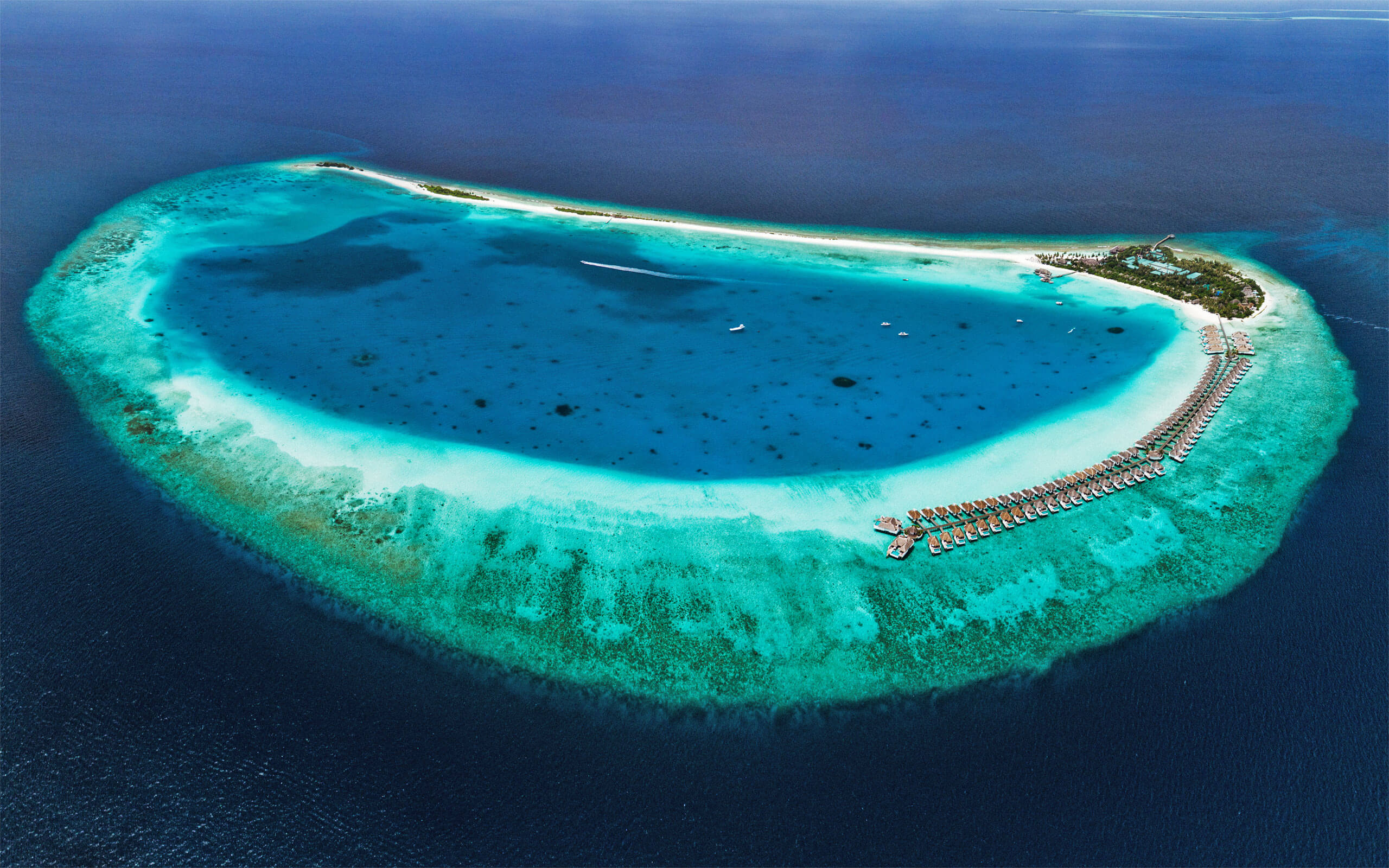
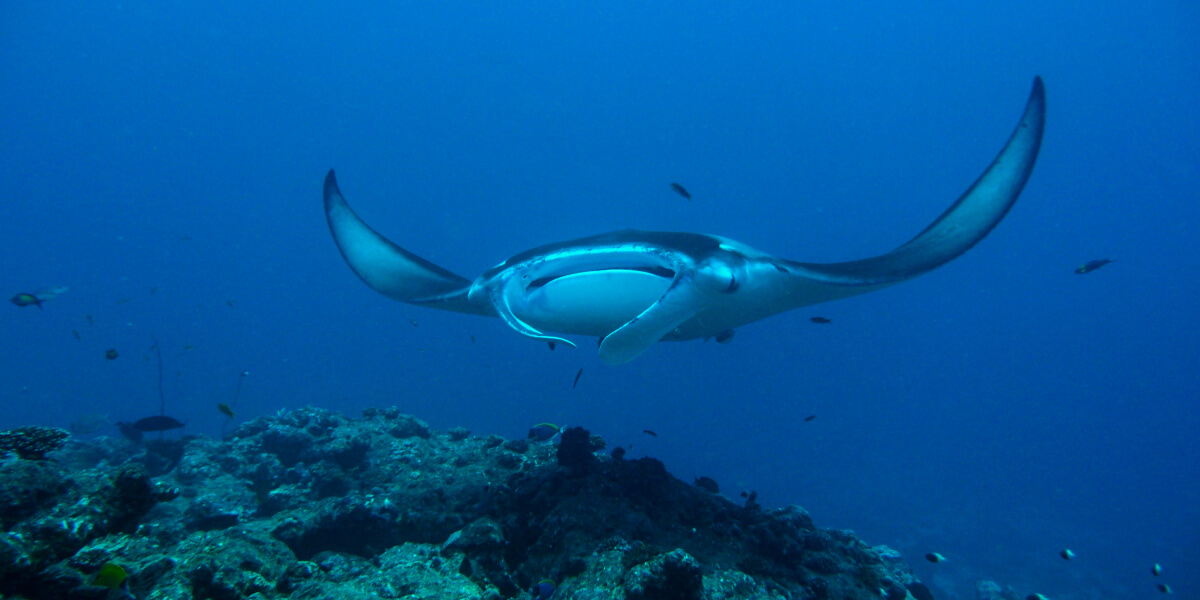
Hanifaru Bay in Baa Atoll is the largest known manta ray feeding aggregation anywhere in the world. At its peak, more than a hundred reef mantas will feed in a bay roughly the size of a football pitch, sometimes alongside whale sharks. It is one of a small handful of marine spectacles that lives up to the footage — but it is tightly controlled, it is seasonal, and almost everything people assume about visiting it is wrong.
The three things to know before you book
1. You cannot scuba dive it. Hanifaru Bay has been snorkel-only for over a decade. Bubbles disperse the plankton the mantas are feeding on and break up the aggregation. If a trip is sold to you as “diving Hanifaru Bay”, whoever is selling it does not know the site.
2. Numbers are capped and time-limited. Baa Atoll has been a UNESCO Biosphere Reserve since 2011. Access to the bay is controlled by rangers, boats need a permit, visitor numbers are limited, and your time in the water is measured in tens of minutes rather than hours. This is the reason the site still works.
3. It does not happen on demand. The aggregation depends on tide, current and lunar cycle lining up to trap plankton inside the horseshoe of the bay. Some days there are two hundred mantas. Some days in peak season there are none. Any operator promising you mantas is promising something they cannot control.
When manta season actually runs
| Period | What is happening | Worth booking? |
|---|---|---|
| May–June | Season opening. Numbers building, fewer visitors, lower resort rates. | Good value, less certain |
| July–August | Reliable aggregations. Peak school-holiday pricing. | The family window |
| September–October | The peak. Largest aggregations and the best odds of whale sharks joining them. | Book this if you can travel then |
| November | Tailing off, but still active. Rates drop again. | The quiet bet |
| December–April | Bay largely inactive. Baa Atoll still dives well; the mantas are elsewhere. | Go for the diving, not the mantas |
Within the season, the strongest aggregations cluster around the full and new moon, when tidal flow is at its greatest. If your dates are flexible by a few days, that is the flexibility worth using.
Where to stay to actually get there
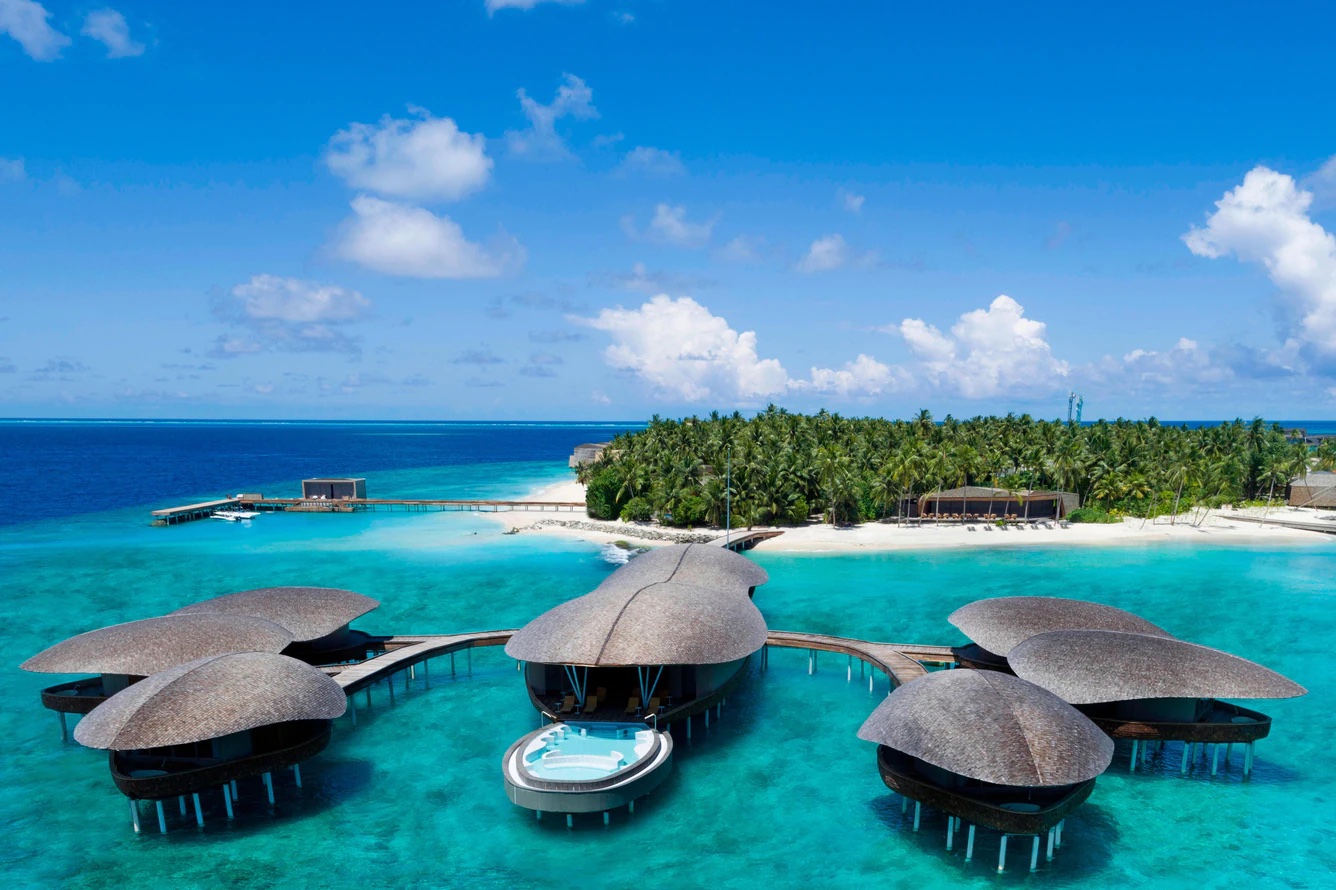
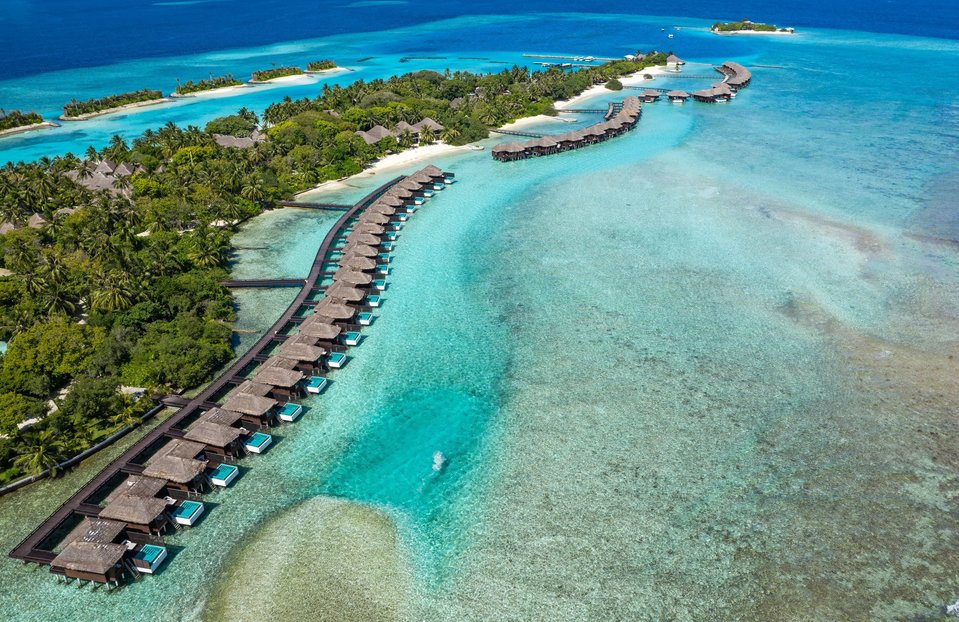
Hanifaru is in Baa Atoll, and the only thing that matters is how long the boat ride is. From a Baa Atoll resort it is a short speedboat transfer, which means you can go out on a promising day at short notice. From most of the rest of the Maldives it is a seaplane away and effectively out of reach as a day trip.
- Amilla Maldives — around ten minutes by speedboat from the bay. A large private island with the range of things to do that makes it work for families where only one person is in the water.
- Anantara Kihavah — the luxury end of Baa Atoll, with a good house reef of its own and an underwater restaurant that is more than a gimmick.
- Seaside Finolhu — the same manta catchment at a lower price point, and a more relaxed feel.
Because access is capped, the resorts book their ranger permits in advance and allocate places to guests. That is the real reason to book a manta trip early — not the room, the permits.
What to expect in the water
You will be snorkelling, in a group, over water that is often only four to five metres deep, in visibility that is deliberately poor. That last part surprises people: the plankton that draws the mantas is the same plankton that turns the water green. You are not there for the photography conditions. You are there because a two-and-a-half-metre animal will barrel-roll through a feeding chain a metre below your fins and then come back round for another pass.
Take a wetsuit even in warm water — you will be on the surface, not moving much, for longer than you think. Leave the fins-and-flash setup at home and take a wide lens or nothing at all.
If you cannot travel in season
Baa Atoll dives well all year and the Maldives has manta cleaning stations outside Hanifaru that operate on a different, less seasonal pattern. South Ari Atoll also holds its whale sharks year-round, which is unusual anywhere in the world. Our guide to diving the Maldives sets out which atoll suits which month, and the full island list is on our Maldives diving holidays page.
If the mantas are the whole point of the trip and your dates will not stretch, it is worth comparing the Maldives against the other destinations where big animals are close to guaranteed — we do that honestly in the best scuba diving holidays for 2026.
Frequently asked questions
When is manta season in the Maldives?
Roughly May to November in Baa Atoll, peaking in September and October. Aggregations are strongest around the full and new moon, when tidal flow through the bay is greatest.
Can you scuba dive at Hanifaru Bay?
No. Hanifaru Bay is snorkel-only and has been for over a decade. Exhaled bubbles disperse the plankton the mantas feed on, which breaks up the aggregation.
How many mantas can you see at Hanifaru Bay?
Numbers vary enormously with tide and moon. A quiet day may produce none; a peak-season day with the right conditions can bring well over a hundred reef mantas into the bay at once, sometimes with whale sharks feeding alongside them.
Do you need a permit for Hanifaru Bay?
Yes. It sits inside a UNESCO Biosphere Reserve, boats require a permit, rangers control access, and both visitor numbers and time in the water are limited. Resorts secure permits in advance, which is why booking early matters more than usual.
Which resort is closest to Hanifaru Bay?
Any Baa Atoll resort puts you within a short speedboat ride — Amilla Maldives is roughly ten minutes away. From outside Baa Atoll the bay is a seaplane transfer and not practical as a day trip.
Manta season sells out on permits, not rooms.
Baa Atoll resorts hold a limited allocation of ranger permits for Hanifaru Bay, and they go long before the rooms do. If you are thinking about the September–October peak, the useful conversation is now rather than in the spring. Tell us your dates and we will tell you what is still reachable.
Free, with no obligation and no booking fee. We’re a UK tour operator, trading since 2001 —
every resort and liveaboard we sell has been dived by one of our own team.
Mon–Sat, 09:30–18:00 UK · 5★ on Google from 190+ reviews ·
ATOL protected (T7314) and Travel Trust Association members.