



 Nassau


Please wait
MOZAMBIQUE DIVING HOLIDAYS
MOZAMBIQUE DIVING HOLIDAYS
MOZAMBIQUE DIVING HOLIDAYS
MOZAMBIQUE DIVING HOLIDAYS
MOZAMBIQUE DIVING HOLIDAYS
Why you'll love diving in Mozambique!
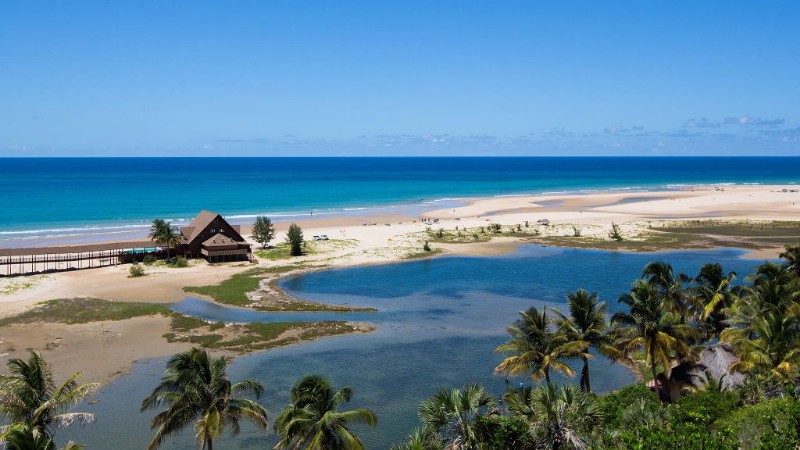
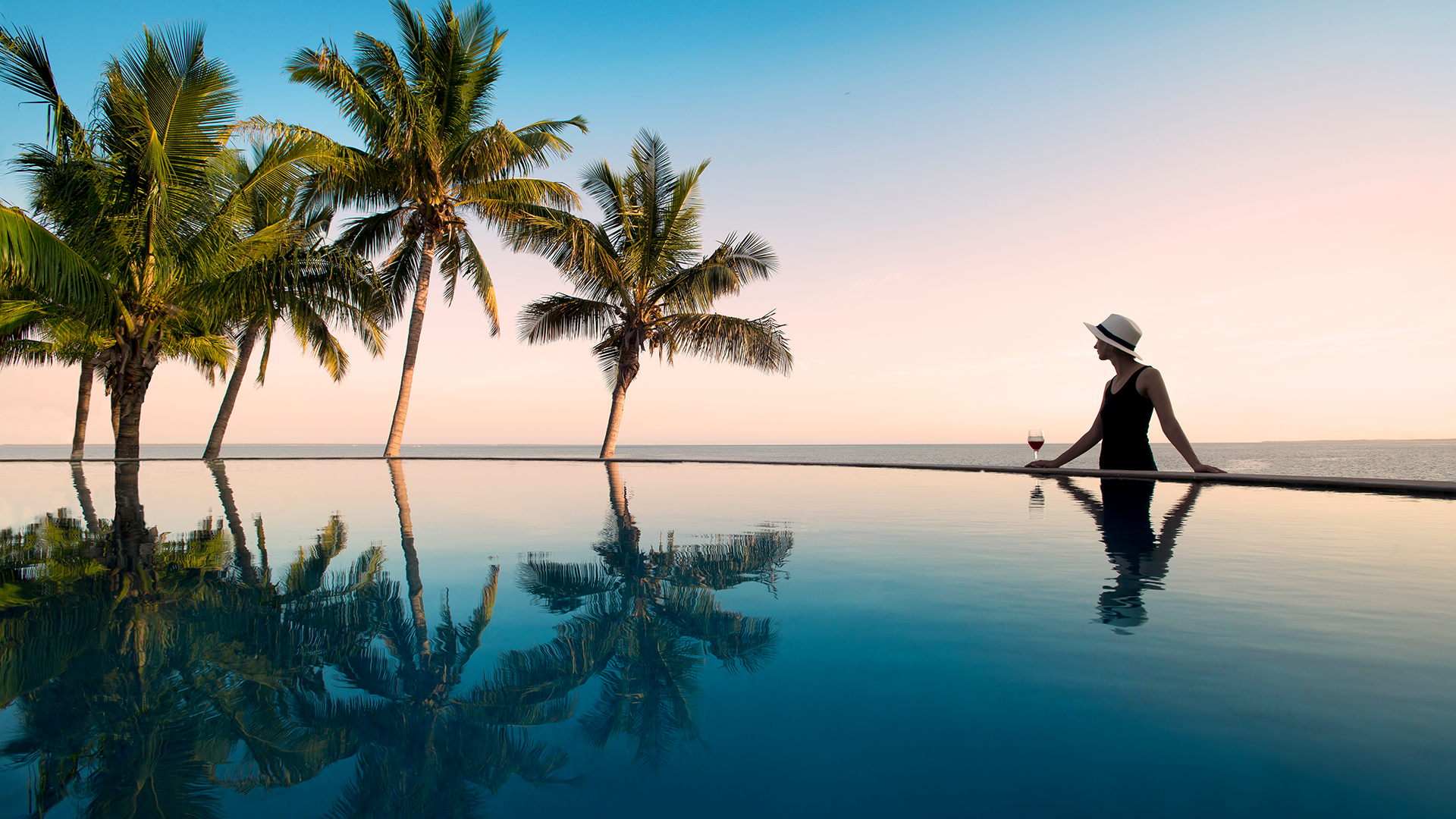
For almost two decades, Mozambique's attractions were inaccessible. Those dark times are in the past, and Mozambique is one of Africa’s up-and-coming hot-spots, Mozambique's 2,500km of coastline is waiting to be discovered. Stunning beaches, magical offshore islands, and excellent watersports. Sail on a dhow through mangrove channels, laze under the palms in a remote archipelago or join an off-beat safari in some of the most remote unexplored destinations.
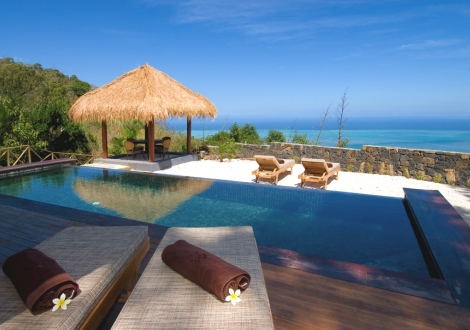
In Southern Mozambique, the infrastructure is more in place with great restaurants and bars while accommodation options abound, but for more adventure, head into the wilds of Northern Mozambique for a Robinson Crusoe experience like nowhere else on earth. Getting around here takes time, and money, but the paradisiacal coastal panoramas and sense of space make the journey a unique, worthwhile experience.
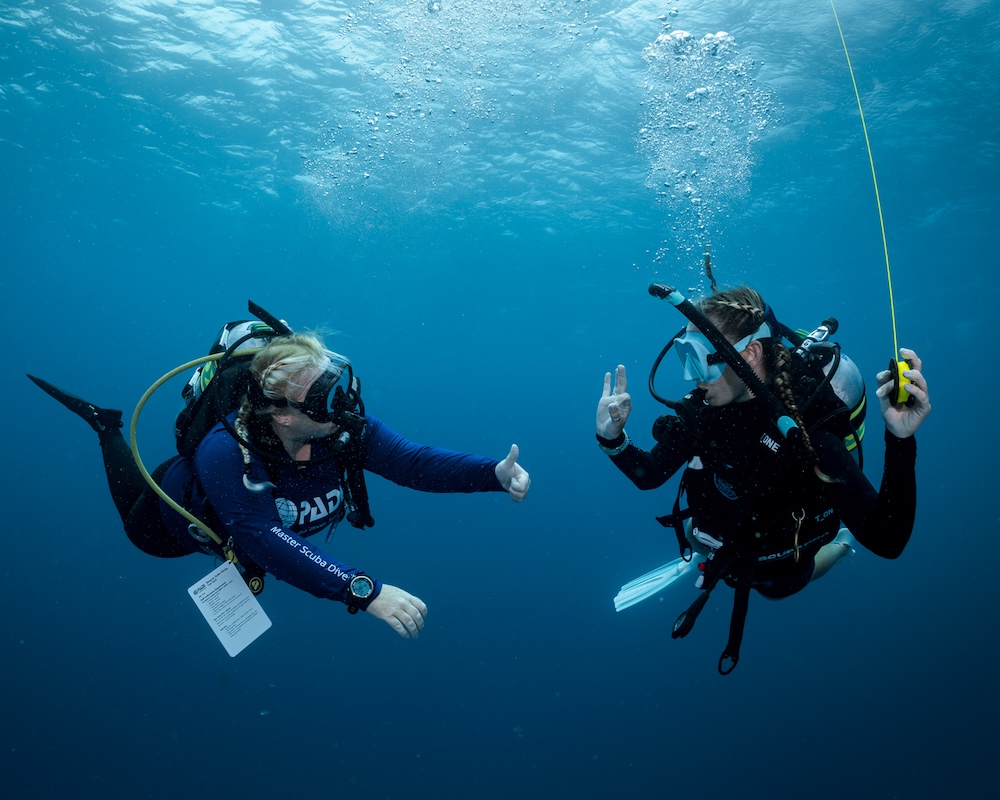
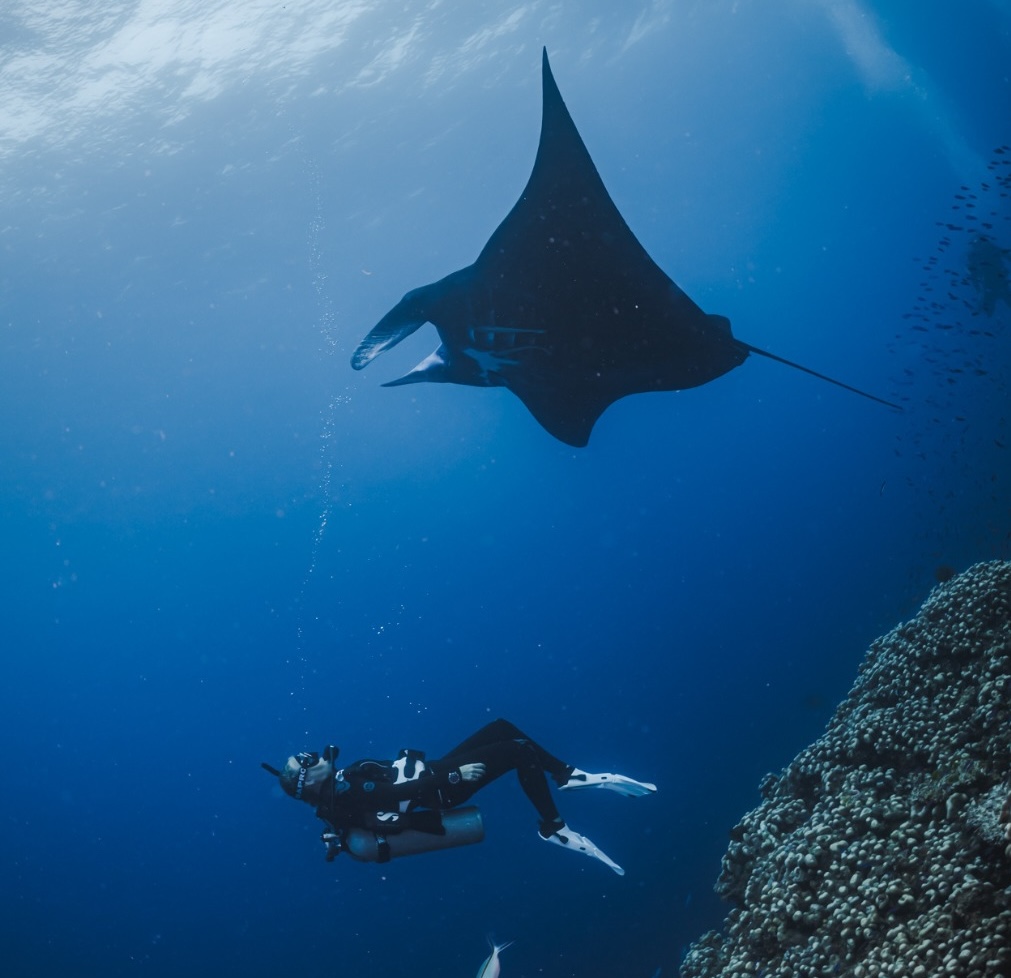
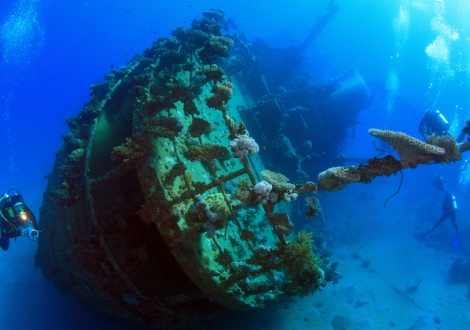
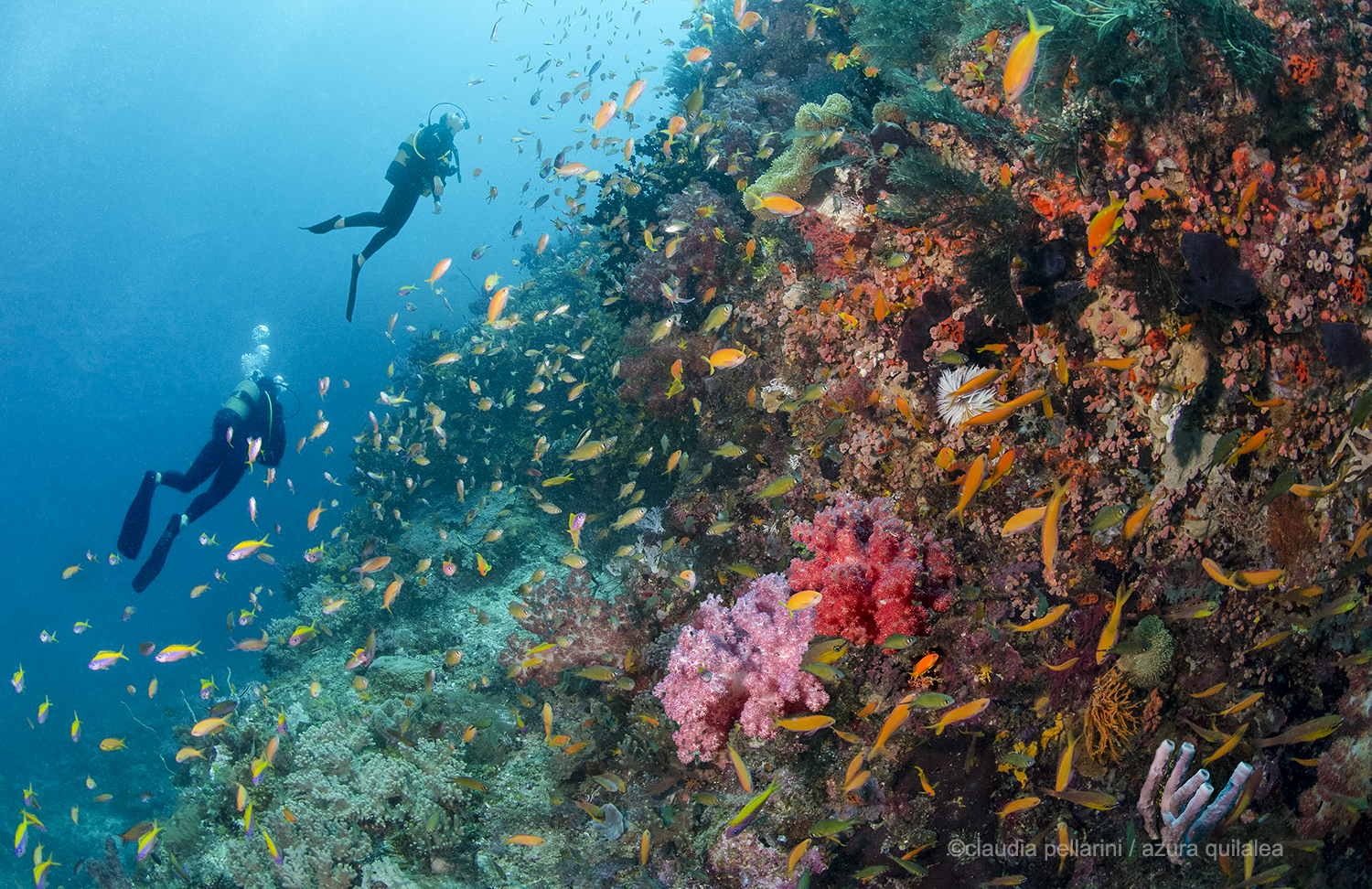
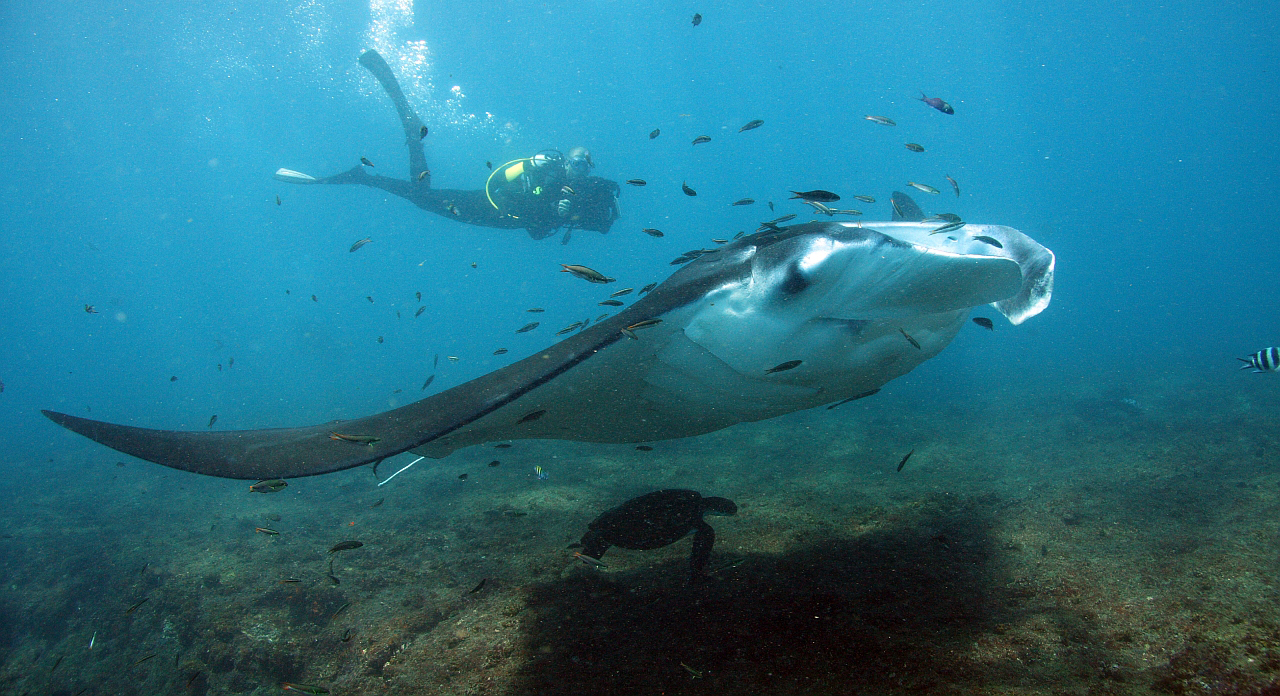
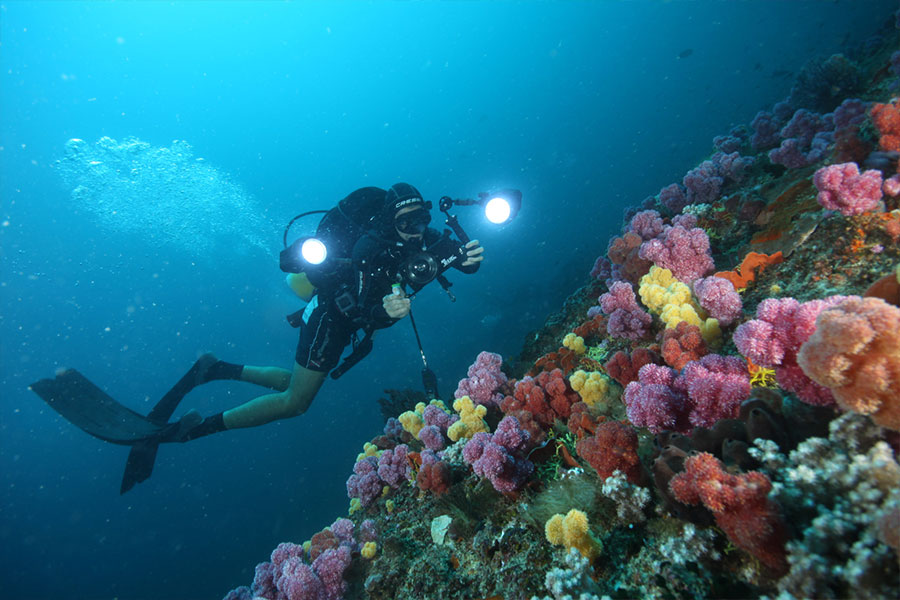
Diving in Southern Mozambique revolves around the Bazaruto Archipelago. Manta rays and whale sharks abound in season and humpback whales migrate along the coastline. Vilanculos Bay is ideal for newly qualified divers and just beyond the bay at the Bazaruto Archipelago the reefs are famed for being incredibly varied and are home to more than 2,000 species of marine fish.
The Quirimbas Archipelago in Northern Mozambique is a largely unexplored chain of Indian Ocean islands that are spectacularly beautiful and relatively unexplored and the diving is unexpected but no less exquisite.
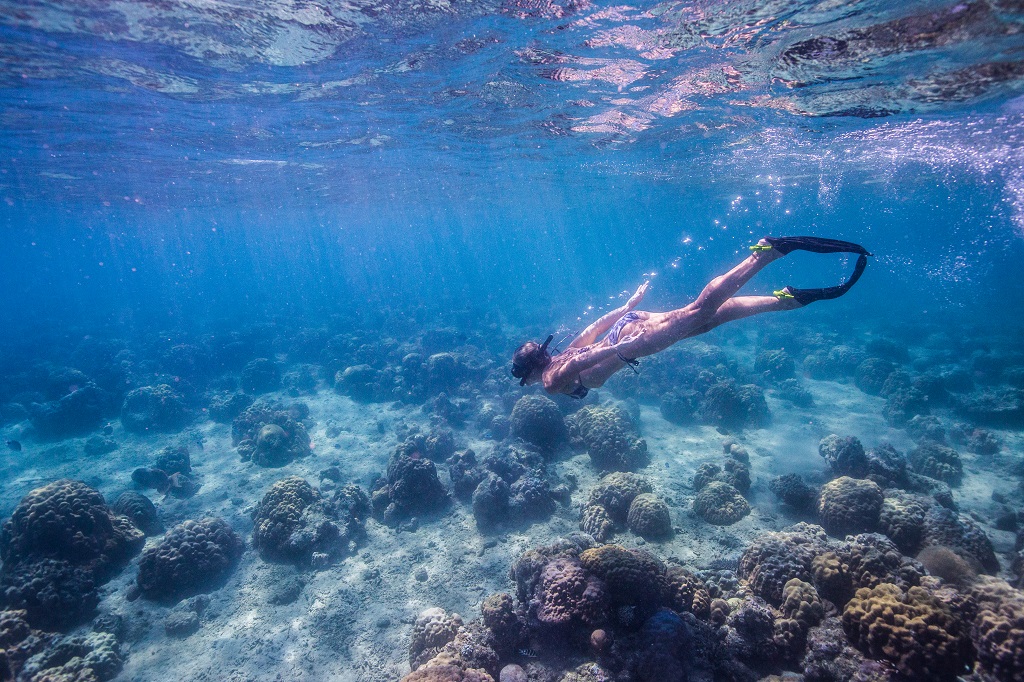
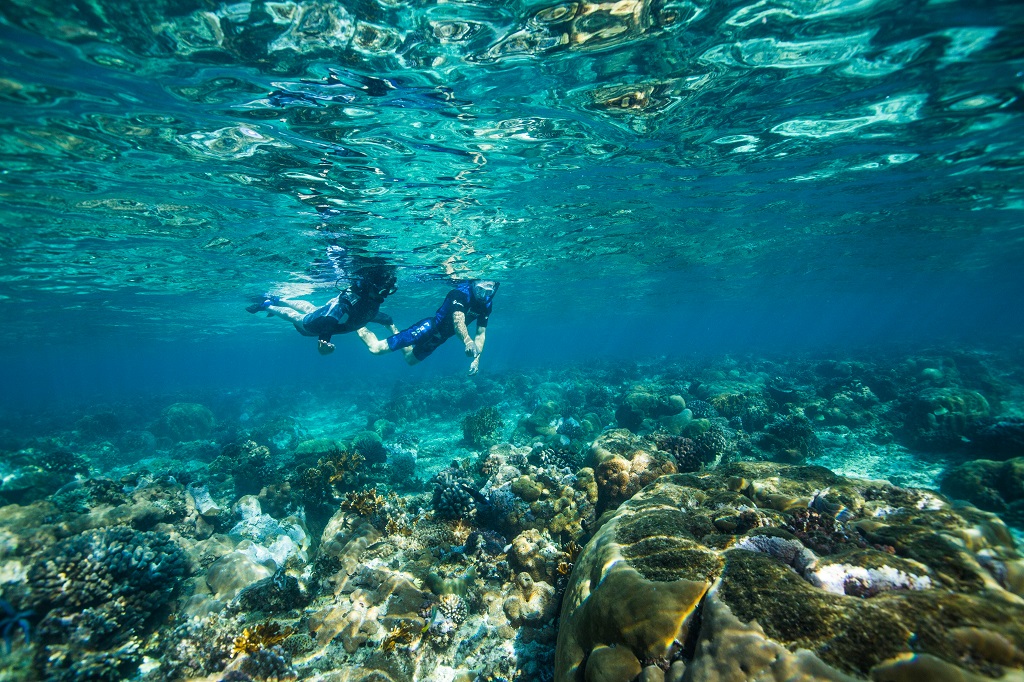
There is so much to see and do in Mozambique including scuba diving, kitesurfing, bird watching, fishing tours, swimming with dolphins, surfing, whale watching, horse riding on the beaches, cultural and historical tours, canoeing and kayaking, snorkeling, big game fishing, windsurfing and dhow sailing.
Mozambique culture has survived decades of colonialism which had a deep effect on the Mozambican people. The Makonde, as the inhabitants are called in the north, are known for their ebony sculptures and masks. The Chopi from the south-central coast are remarkable at their complex musical fusions and dance. Mozambique enjoys a vast range of cultural and linguistic diversity. There are variety of cultures clustered together like Swahili language speaking group, Islamic culture and Bantu-speaking groups living in northern and central regions. Zambezi valley has a varsity of culture that is astonishing. Linguistically they overlap with neighbouring Malawi, Zambia, and Zimbabwe, and cattle-rearing group.
The area also has a rich history of trade and Portugese villas, old forts and crumbling lighthouses provide for rich historical and cultural tours.
Mozambique enjoys a tropical climate with generally warm to hot and humid weather. There are two seasons, a dry and cool season from April to October and a warm and wet season from November to March. Temperatures usually vary from around 25 °C during the day from June to September and around 30 °C from December to March, at night dropping to around 23 °C and 17 °C respectively. Highest rainfalls are recorded from January to March and these are probably the months to avoid if you can because hurricanes can strike the country, especially the coastline
Advance (10/10)
Tofo is located in Southern Mozambique, in an area famous for its pristine waters and untouched coastline. Tofo offers some of the best diving in the world and is famous for having one of the biggest whale sharks populations in the world. Unlike other dive destinations around the world, Tofo is relatively undeveloped so the dive sites here are not overcrowded and still maintain their natural beauty. The lack of commercialism is part of the experience and one of the reasons to go to Tofo.
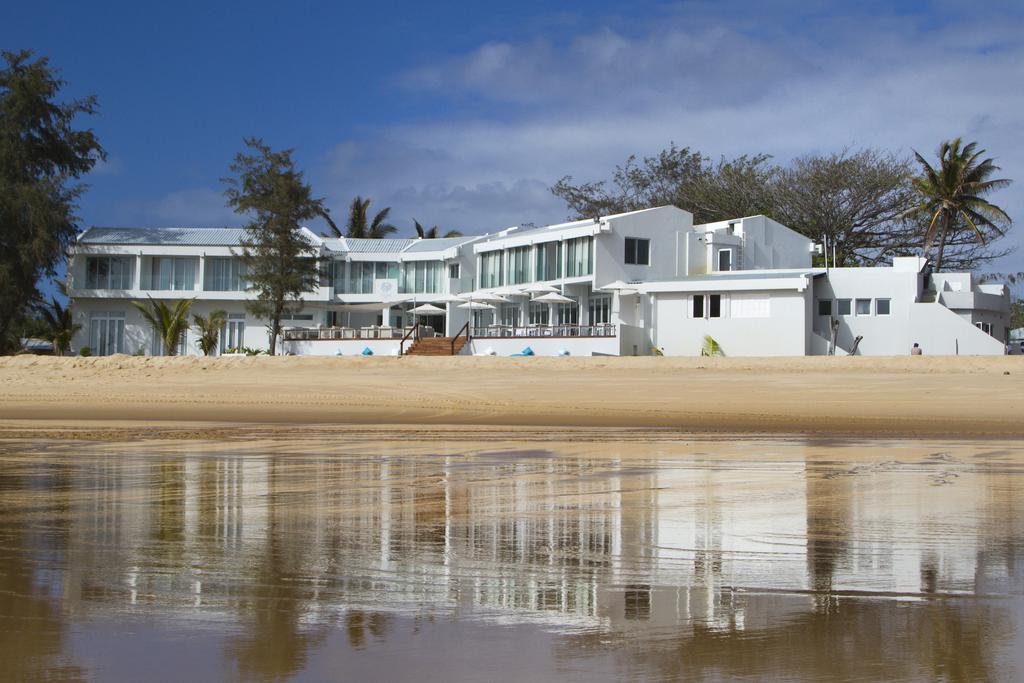
Top hotels in mozambique

.png)
.png)